






According to figures issued on Wednesday by the Ghana Statistical Service, the country’s consumer inflation fell to 6.3% year on year in November, down from 8.0% in October, extending its reduction for the 11th consecutive month.
- Ghana’s consumer inflation dropped to 6.3% in November, marking an 11-month consecutive decrease from its peak of 54% in December 2022.
- The reduction in inflation is attributed mainly to a significant decrease in food inflation and to stabilizing domestic and external market conditions.
- Ghana’s central bank has adjusted monetary policies, including reducing benchmark interest rates to 18%, reflecting economic recovery confidence.
- Efforts in debt restructuring are ongoing, with the nation adhering to IMF guidelines and aiming for a primary budget surplus of 1.5% of GDP by 2026.
This progress is especially notable given Ghana’s recent economic challenges.
Inflation was a stunning 23.8% in December last year and peaked at 54% in December 2022, owing to currency devaluation, supply chain disruptions, and rising global commodity prices.
DON’T MISS THIS: Ghana joins Africa’s nuclear race, set to begin construction of first nuclear plant
Today’s single-digit inflation marks a significant reversal for the West African country.
The previous update indicated that Ghana’s inflation decreased from 9.4% in September to 8% in October, further establishing a single-digit figure.
As seen on Reuters, Alhassan Iddrisu, a government statistician, attributed the new drop primarily to a significant reduction in food inflation, which has been a key contributor to the country’s inflationary pressures in recent years.
“Domestic price conditions and external market conditions are both stabilising,” the statistician stated.
He went on to reveal that the country’s current inflation rate is the lowest since 2021.
Ghana’s interest rate
Ghana’s central bank has already begun to ease monetary policy, despite some skepticism surrounding the play.
Last week, sources suggested that, with inflation expected to continue its downward path, the Bank of Ghana lowered interest rates.
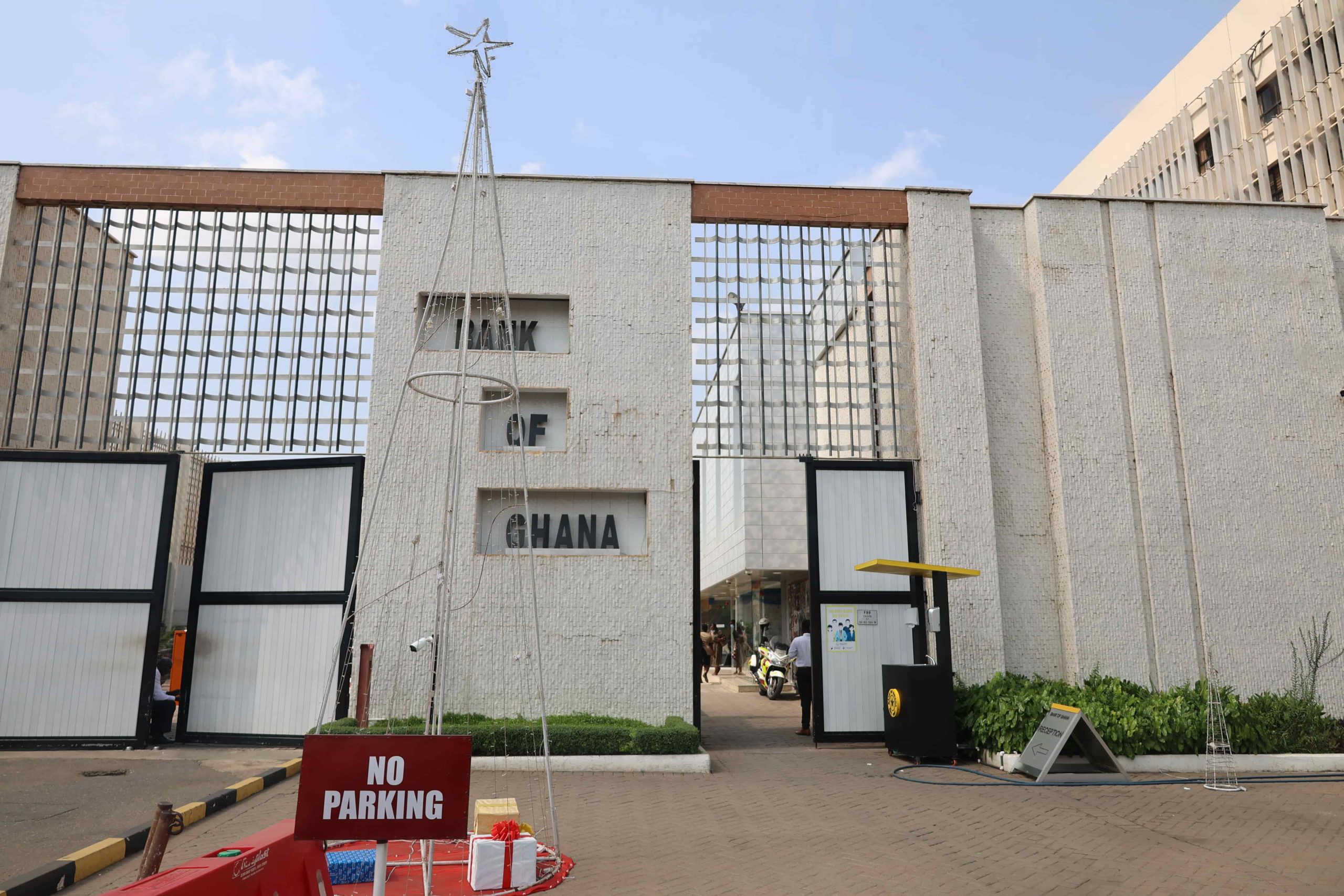
On November 26th, Governor Johnson Asiama said that the majority of the Monetary Policy Committee had decided to decrease the benchmark interest rate to 18%, a 350 basis point drop.
This is one of the biggest rate decreases in recent years, reflecting confidence in the country’s macroeconomic recovery’s long-term viability.
Ghana’s debt recovery
Beyond inflation and currency gains, Ghana is making progress in its debt restructuring efforts.
Earlier in November, the administration stated that it intends to leave its continuing loan arrangement with the International Monetary Fund (IMF) on terms that reflect progress rather than crisis-driven concessions.
According to Finance Minister Cassiel Ato Forson, Ghana is currently compliant with the IMF’s fiscal responsibility guidelines.
Projections from the ministry show that Ghana might attain a primary budget surplus of 1.5% of GDP by 2026, a significant milestone for a country that has struggled with severe fiscal deficits in previous years.
As Ghana nears the end of its three-year IMF bailout program, government officials have committed to maintaining rigorous budgetary discipline to ensure the recovery.
Ghana’s economic tale has turned from one of hardship to one of resilience and recovery, as inflation has fallen, the currency has strengthened, and debt restructuring is moving forward.