






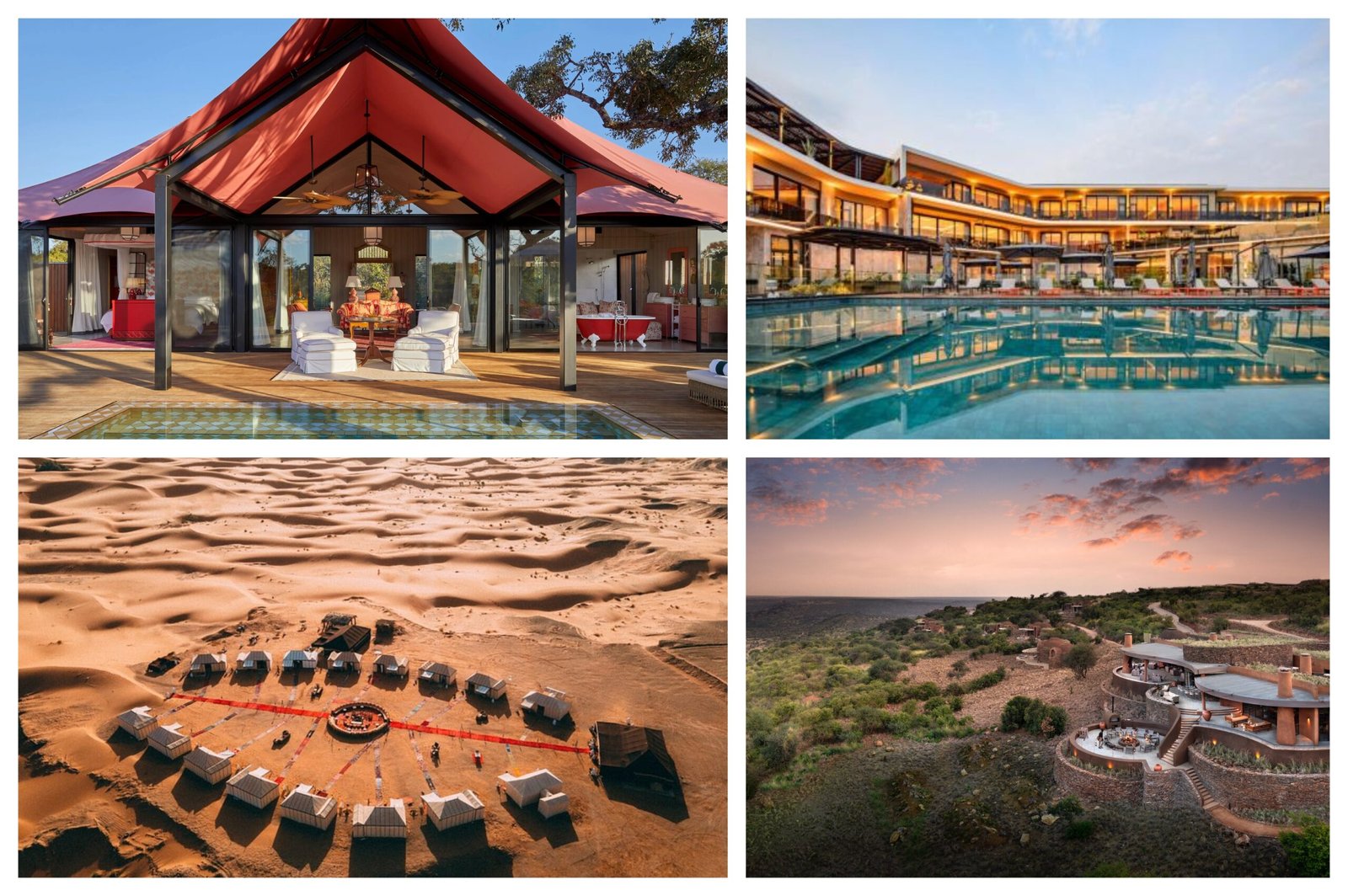
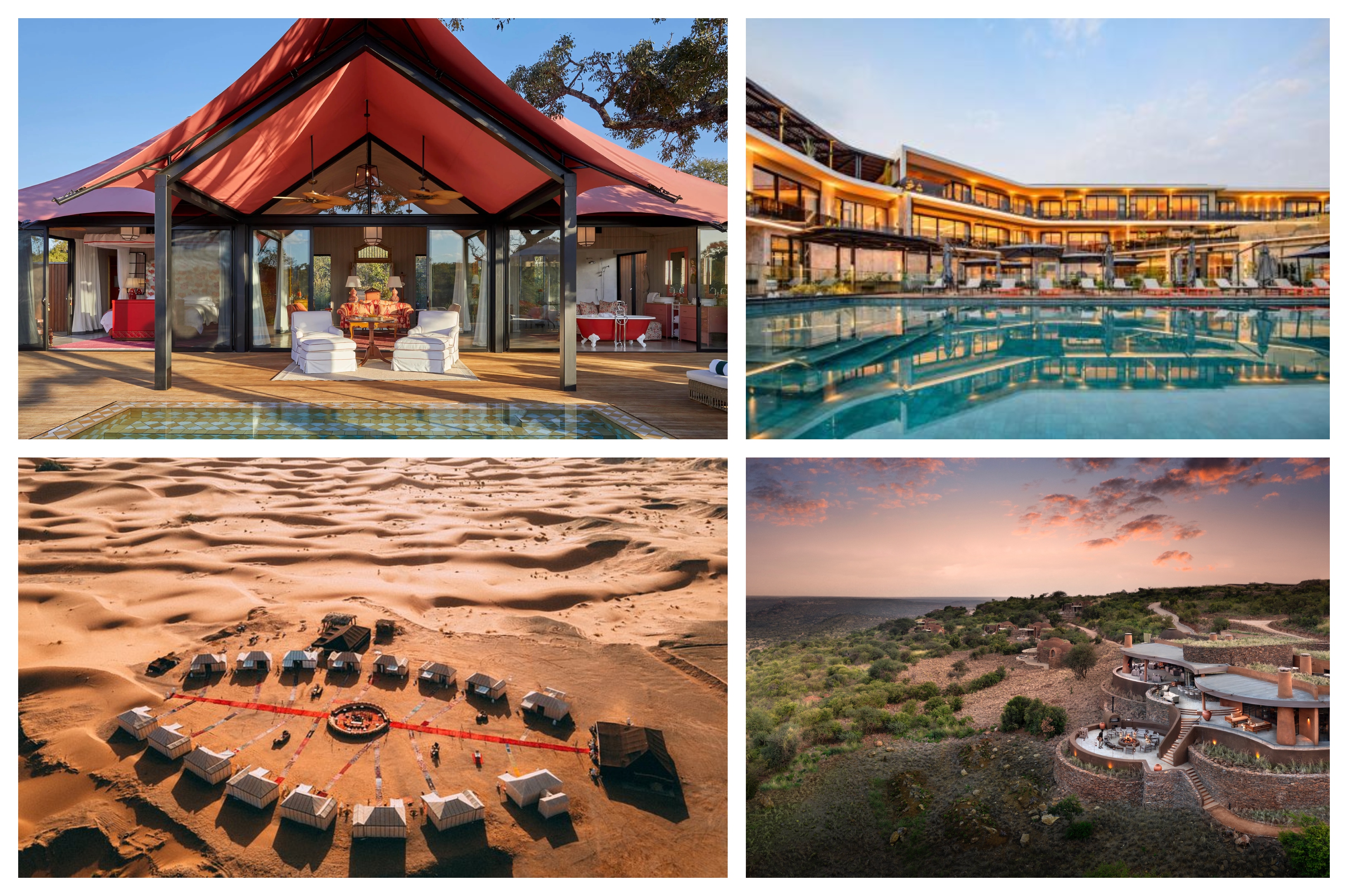
Africa has secured five places on Time magazine’s World’s Greatest Places of 2026 list, underscoring both the continent’s growing appeal in global tourism and its continued underrepresentation in high-end travel rankings.
- Africa secured five spots on Time magazine’s World’s Greatest Places of 2026 list, reflecting both growing interest and ongoing underrepresentation in luxury travel rankings.
- South Africa leads with two entries: Park Hyatt Johannesburg and Masiya’s Camp at Royal Malewane, marking a shift towards recognizing its urban tourism potential.
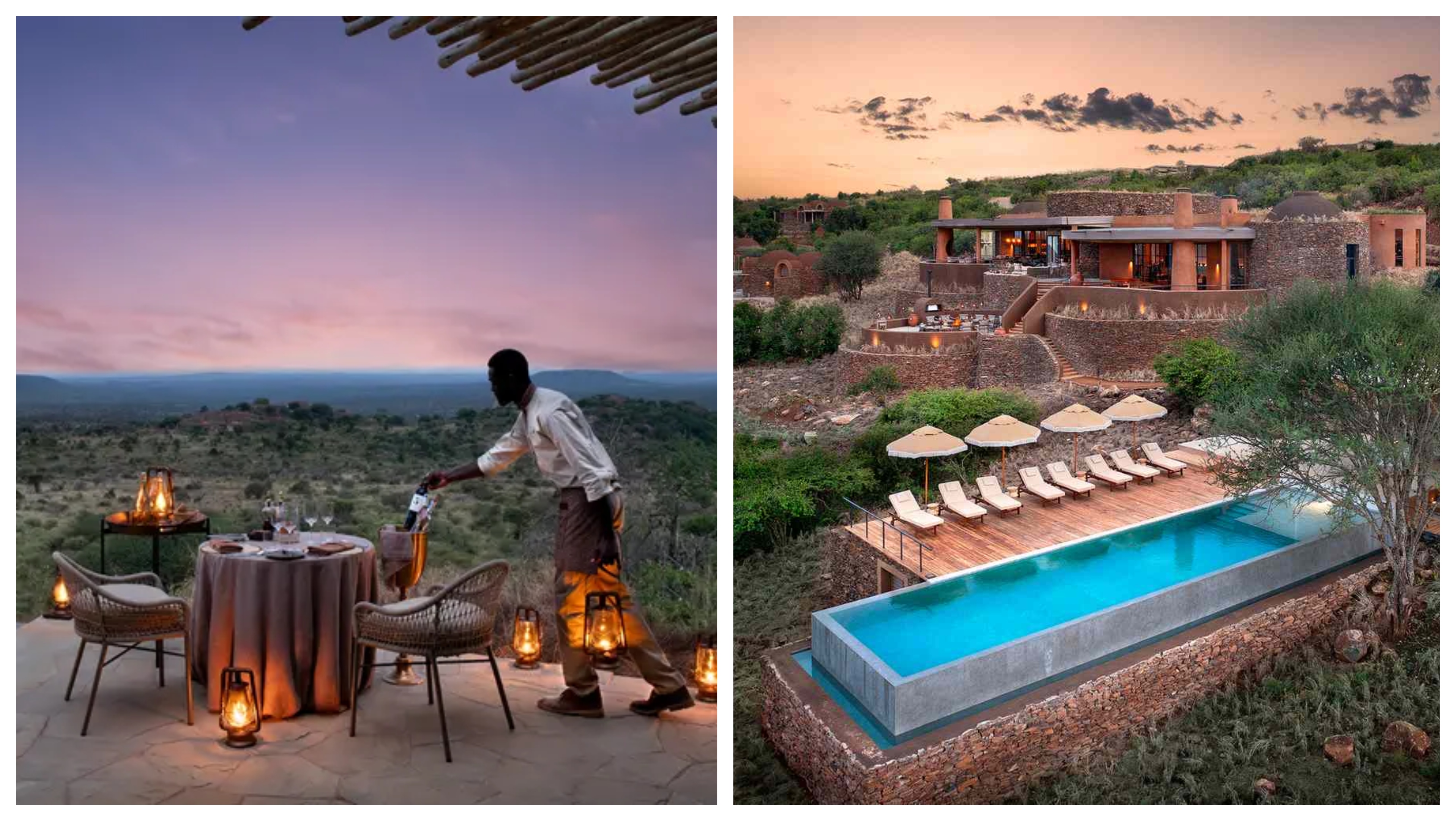
- Additional African destinations recognized include The Pinnacle Kigali in Rwanda, Jnane Karwan in Morocco, and andBeyond Suyian Lodge in Kenya.
- All selected sites emphasize boutique, experience-driven luxury, moving away from traditional large-scale hotels towards exclusive, personalized service.
The annual list, compiled from nominations by correspondents and contributors, highlights destinations across hospitality, culture and entertainment.
This year’s selection spans multiple regions, with Africa accounting for a small share despite rising investment in tourism infrastructure and luxury travel experiences.
South Africa leads with two entries
South Africa emerged as the most represented country, securing two spots on the list. These include Park Hyatt Johannesburg, a boutique hotel in the Rosebank district, and Masiya’s Camp at Royal Malewane, located near the Kruger National Park.
Masiya’s Camp reflects a growing trend of design-led luxury in Africa’s safari sector.
The six-suite property, developed by Royal Portfolio owner Liz Biden, combines high-end accommodation with curated wildlife experiences, targeting affluent travellers seeking exclusivity and immersive environments.
Johannesburg’s inclusion is also significant. Long viewed primarily as a business hub anchored by the Johannesburg Stock Exchange, the city is increasingly positioning itself as a lifestyle destination capable of attracting leisure travellers.
New luxury concepts emerge across the continent
Beyond South Africa, the list highlights a shift in how African destinations are being developed and marketed.
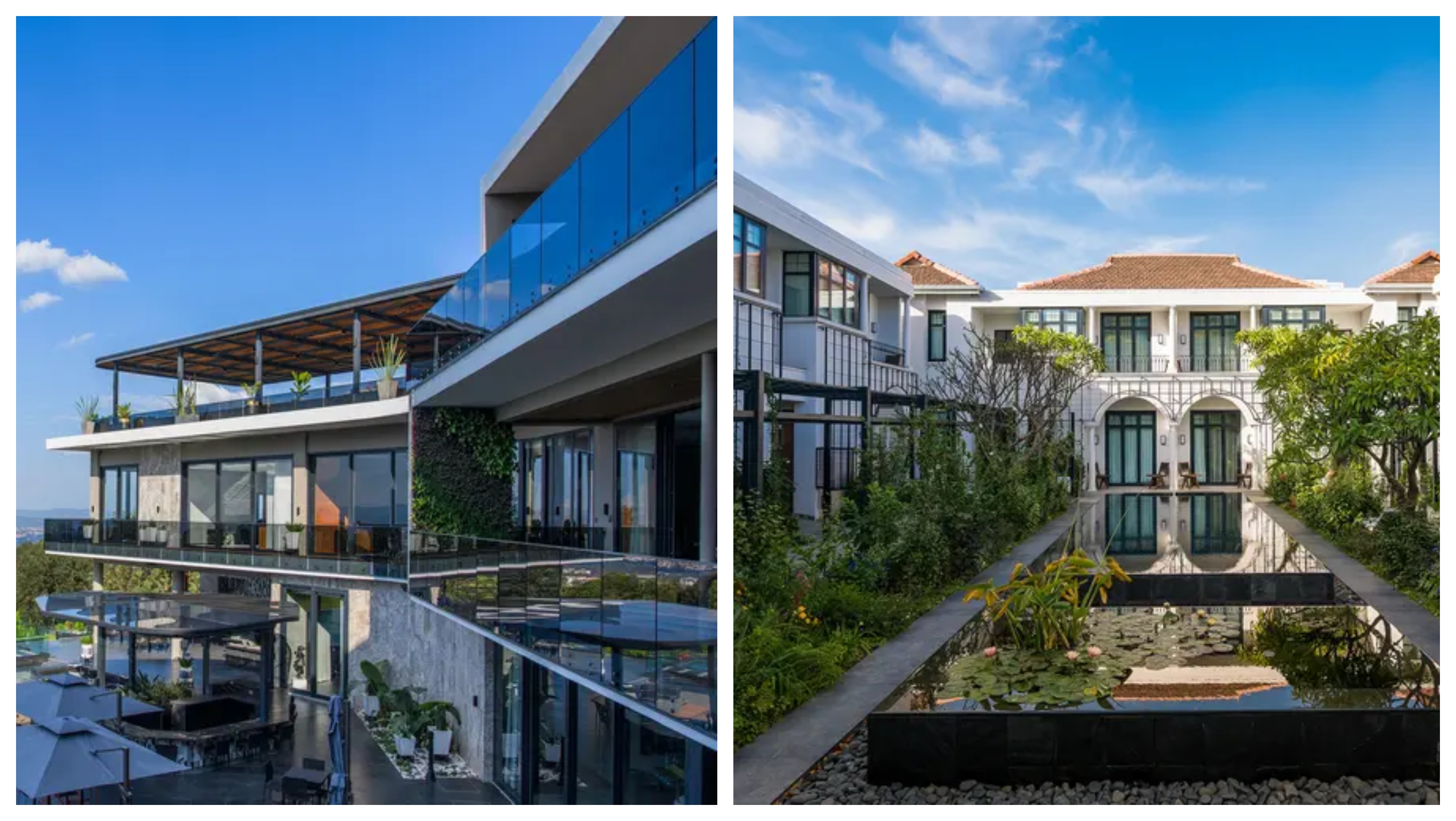
Rwanda’s The Pinnacle Kigali stands out as a women-led ultra-luxury hotel concept. Founded by East African entrepreneur Sheila Kyarisiima, the property was originally designed as a private residence before being converted into a hospitality offering.
Perched on a hilltop, it offers panoramic views of Kigali and positions itself within the city’s evolving high-end tourism landscape.
According to Time, the property’s emergence reflects Kigali’s broader transformation, shaped by a focus on sustainable design and a growing creative economy.
Morocco’s Jnane Karwan and Kenya’s andBeyond Suyian Lodge complete the African entries.
Both properties emphasise low-density, experience-driven travel, with limited guest capacity and strong ties to their natural surroundings.
Boutique luxury reshapes Africa’s tourism narrative
Across all five destinations, a consistent theme is the shift towards smaller, highly curated hospitality models.
This aligns with global luxury travel trends, where demand is moving away from large-scale hotels towards personalised, design-focused experiences.
Park Hyatt Johannesburg, for example, operates with a limited number of rooms and is housed in a restored 1930s building influenced by Sir Herbert Baker, blending heritage architecture with modern design.
Industry analysts say this pivot towards boutique luxury could help African destinations compete more effectively for high-spending travellers, particularly as global tourism becomes more experience-driven.
A growing sector with structural gaps
Despite the recognition, Africa’s limited presence on the list highlights structural challenges, including infrastructure gaps, connectivity issues and uneven investment across regions.
However, the diversity of destinations featured in 2026 points to gradual progress. As more countries invest in tourism ecosystems and reposition their offerings, analysts expect Africa’s footprint in global rankings to expand over time.