





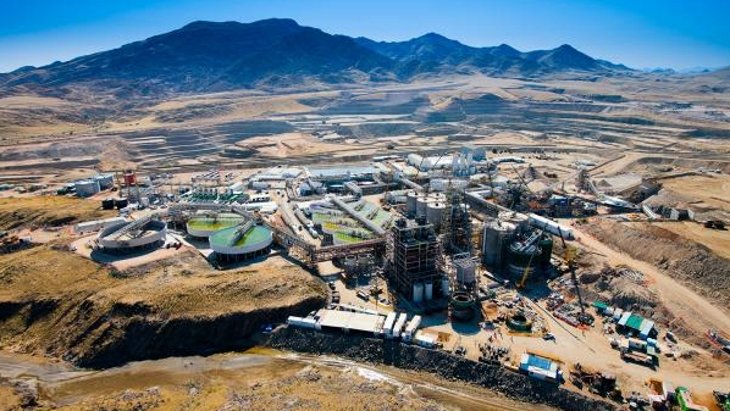
The Langer Heinrich uranium mine in Namibia, which primarily supplies resources for nuclear power plants, is nearing its full operational capacity.
- The Langer Heinrich uranium mine in Namibia, partially owned by Paladin, is nearing its full production capacity by July due to rising uranium prices.
- Namibia, a pivotal player in the global uranium market, aims to double its production capacity to over 20,000 tonnes annually, potentially supplying 10% of the world’s demand for nuclear fuel.
- Two additional uranium projects, Deep Yellow’s Tumas Mine and Bannerman Energy’s Etango Mine, are underway in Namibia, highlighting investment in the nation’s mining sector.
- Namibia is positioning itself as an attractive miner of uranium, diversifying global supply chains and planning its first nuclear power facility to leverage domestic resources and decrease energy imports.
The Mine, which is 75% owned by the Australian Miner, Paladin, is expected to achieve its peak production in July as mining investment accelerates due to increased pricing, according to the firm’s CEO, Paul Hemburrow.
“We’ve had five quarter-on-quarter improvement in volumes and expect that trend to continue into FY 27, so we expect an absolute cracker of a year,” the CEO stated in a telephone interview from Namibia during an investor visit.
DON’T MISS THIS: Namibia and Russia look to fast-track their ‘peaceful use of nuclear energy’ deal
“Higher prices are good for everybody,” he added.
Uranium prices skyrocketed to a two-year high of $101 per pound in January, but then flattened out at a range between $85 and $90 per pound, driven by the global push for nuclear energy and a possible shortage of supply for the precious resource.
New uranium projects in Namibia
As reported by Reuters, two new projects are in the works in the southern African nation of Namibia, Deep Yellow’s Tumas Mine and Bannerman Energy’s Etango Mine.
These two projects are projected to cost around 12 billion Namibian dollars ($756 million) to build.
According to Bannerman’s chief executive, the company plans to start selling in 2029 and anticipates making a final investment choice over the following six to twelve months.
“Once Etango is in production, there is potential to further increase production to 6.8 million pounds U3O8 per annum without the need for additional drilling,” CEO Gavin Chamberlain told Reuters this week.
Some media sources claim that Orano, a French nuclear business that lost its licenses in Niger after a coup, is also reassessing its Trekkopje mine in Namibia, which has been dormant for almost a decade.
Namibia’s uranium push
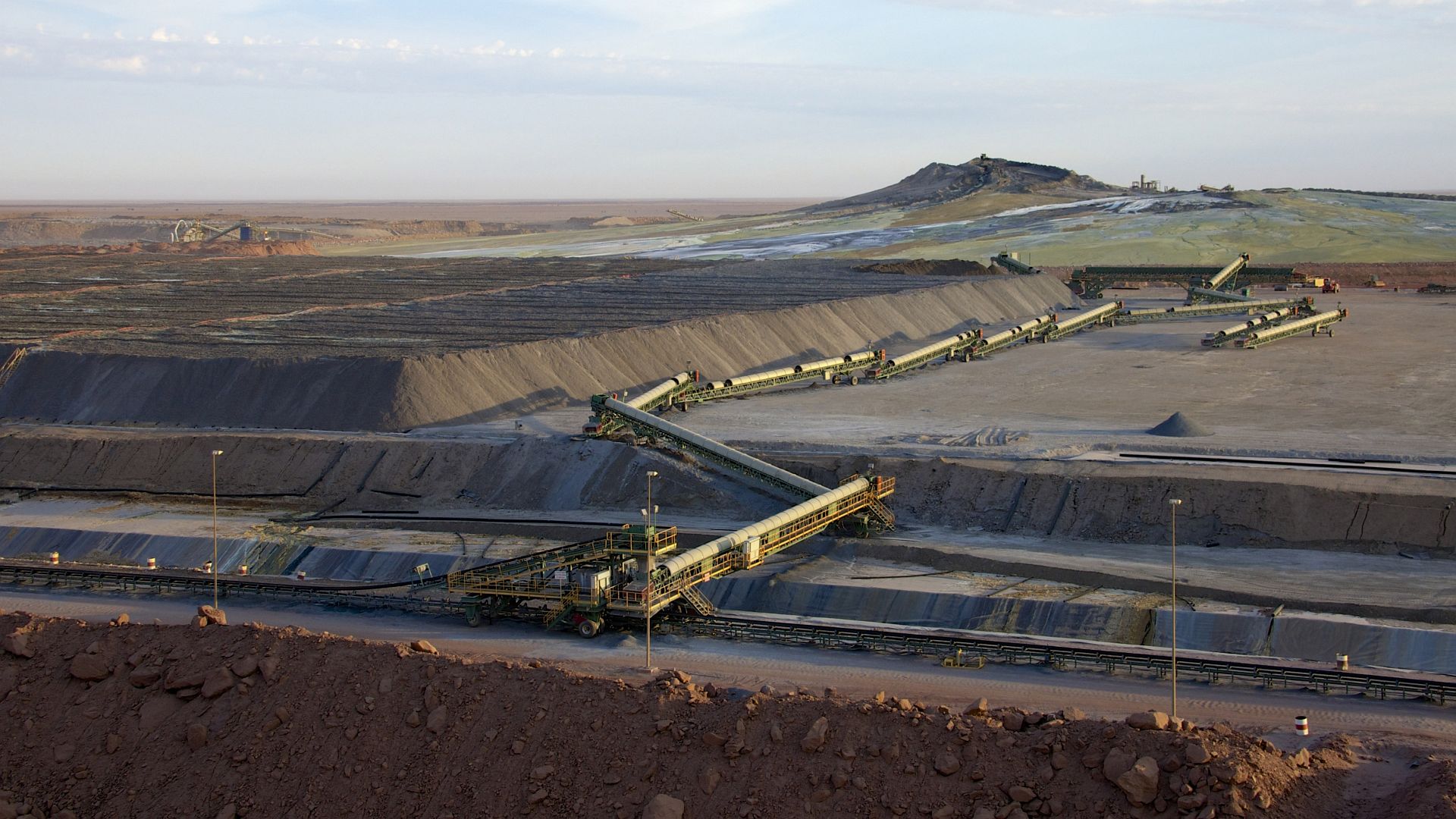
With the aforementioned projects and existing mines ramping up operations, Namibia’s record output might ultimately double to more than 20,000 tonnes of U3O8, according to the Namibian Uranium Institute.
Namibia, Africa’s largest uranium producer and the world’s third-largest overall, has emerged as an increasingly attractive partner for countries seeking to diversify critical mineral supply chains away from dominant players like China.
Output rose 59% in April 2025 from a year earlier, according to the Chamber of Mines, an industry lobby group.
According to the World Nuclear Association, Namibia’s uranium mines have the potential to supply up to 10% of global demand for nuclear fuel.
During her first State of the Nation Address last year, the president of Namibia, Netumbo Nandi-Ndaitwah, declared that the country plans to initiate negotiations on building its first nuclear power facility.
The goal is to lessen Namibia’s significant dependency on energy imports from South Africa and to utilize the country’s enormous uranium deposits, since it is now the third-largest producer in the world.
International attention has been focused on the nation’s expanding energy goals, especially from Russia, which has expressed interest in a possible nuclear alliance.
Rosatom, the Russian state-backed energy behemoth, is putting itself in a position to be a key player in the construction and management of Namibia’s first nuclear station, according to a June Business Insider Africa story.
In August last year, Namibia endorsed its bid to join the Nuclear Suppliers Group (NSG), the international body that sets rules for the export of nuclear technology and materials to prevent their use in weapons.