





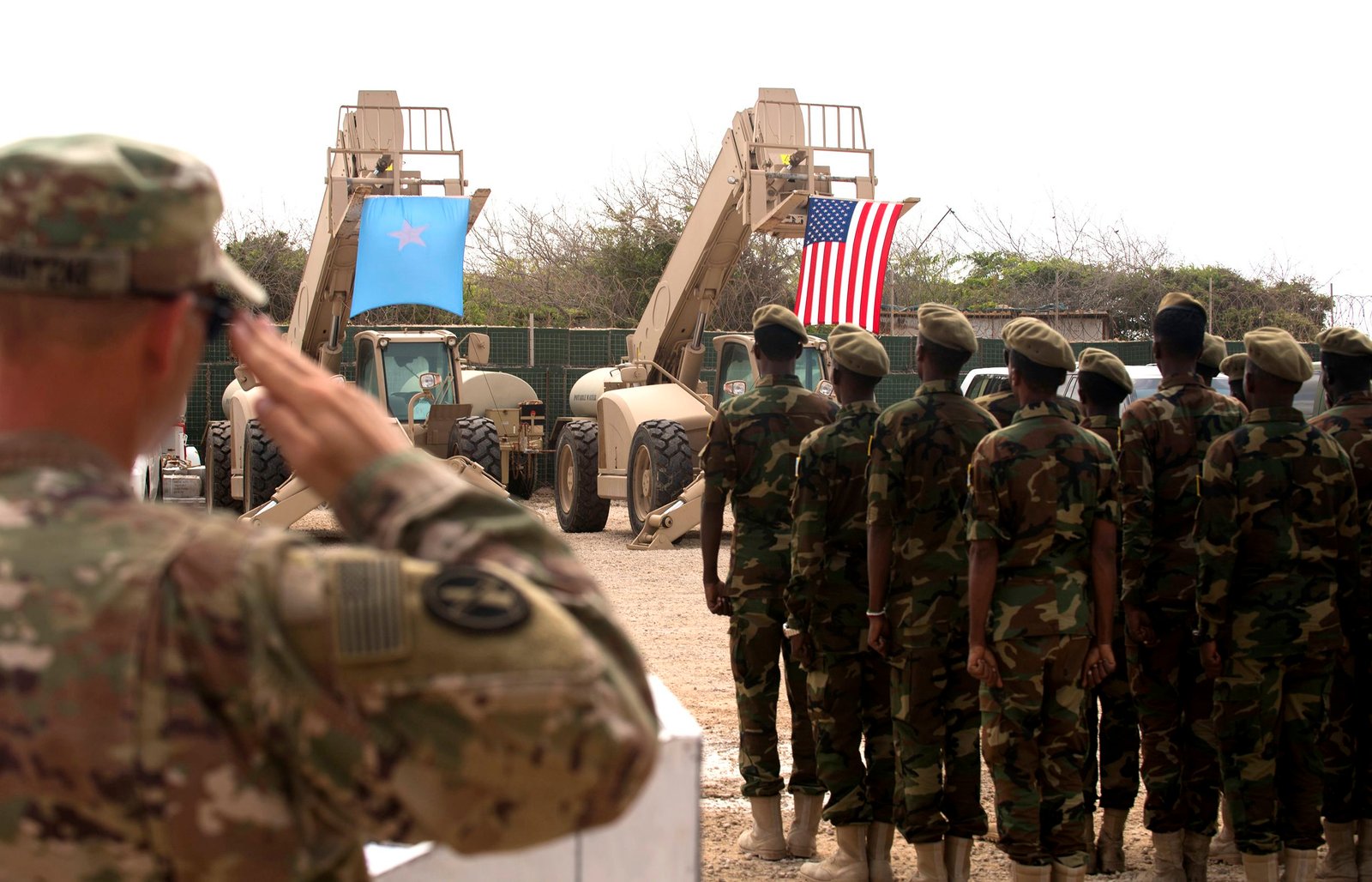
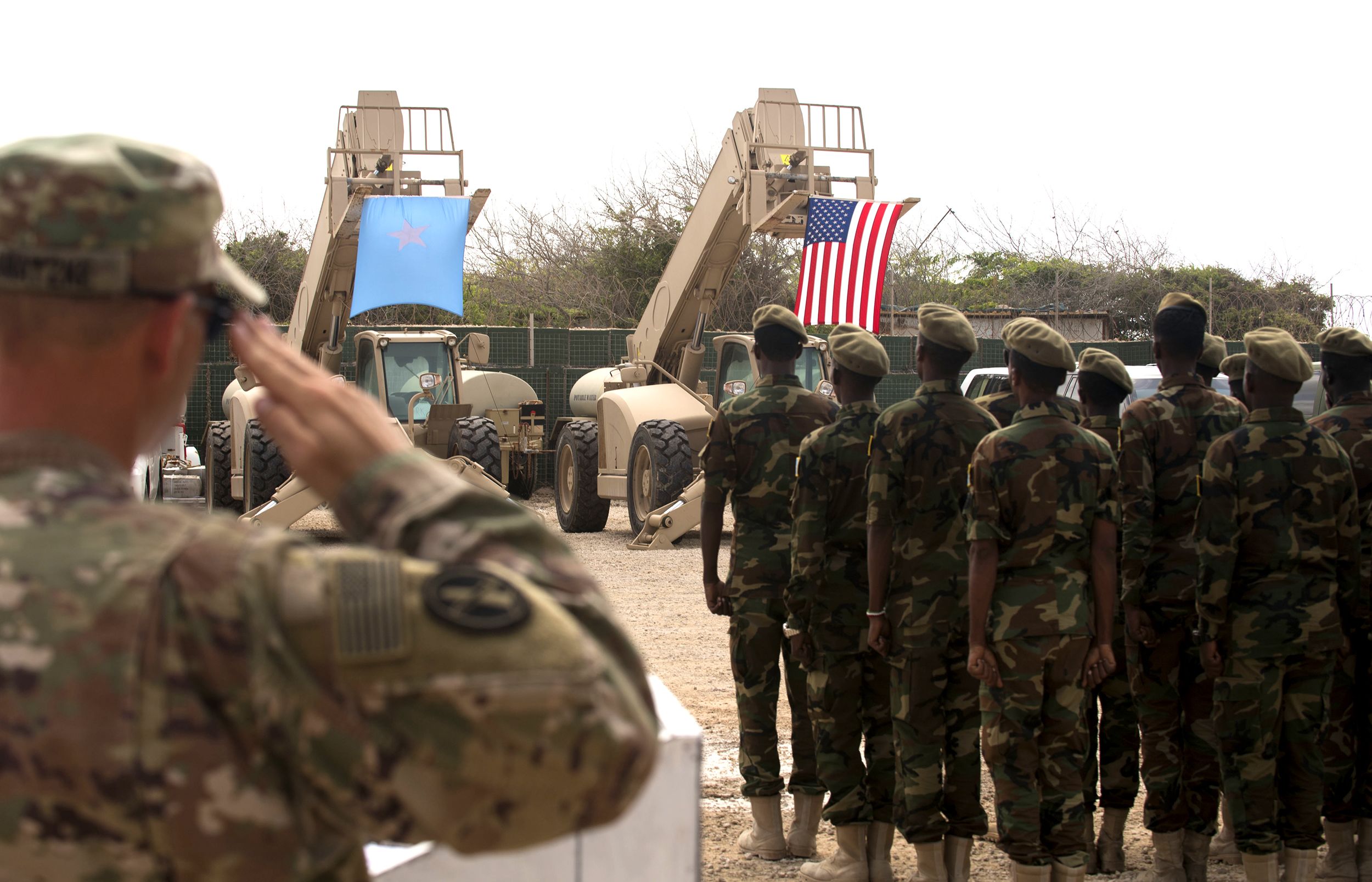
Despite regional efforts to limit United States military expansion in Africa, both Somalia and Somaliland have offered access to key ports and air bases, highlighting growing competition for strategic influence in the Horn of Africa.
- Somalia has formally offered to renew a military agreement granting the US access to its ports and airports, reinforcing its strategic partnership with Washington.
- This move contrasts with trends elsewhere in Africa, where several countries are reducing Western military presence.
- The Somali offer builds on a 1980 agreement, providing a legal basis for US military cooperation amid increased regional competition.
- Somaliland, a breakaway region, has separately offered the US access to its infrastructure and mineral resources in exchange for recognition.
While some African governments have reassessed or reduced Western military presence in recent years, Mogadishu is moving in the opposite direction signaling willingness to deepen cooperation with Washington.
In 2025, Somalia confirmed it would grant the United States exclusive access to strategic air bases and ports, according to a letter from President Hassan Sheikh Mohamud to President Donald Trump.
The proposal included the air bases in Balidogle and Berbera, along with the ports of Berbera and Bosaso, Reuters reported at the time.
“These strategically positioned assets provide an opportunity to bolster American engagement in the region, ensuring uninterrupted military and logistical access while preventing external competitors from establishing a presence in this critical corridor,” the letter said.
The renewed outreach signals Mogadishu’s continued willingness to deepen security ties with the United States, particularly as competition for influence in the Red Sea and surrounding region grows. While Washington has not publicly confirmed acceptance of the earlier offer, Somalia’s latest move suggests the proposal remains firmly on the table.
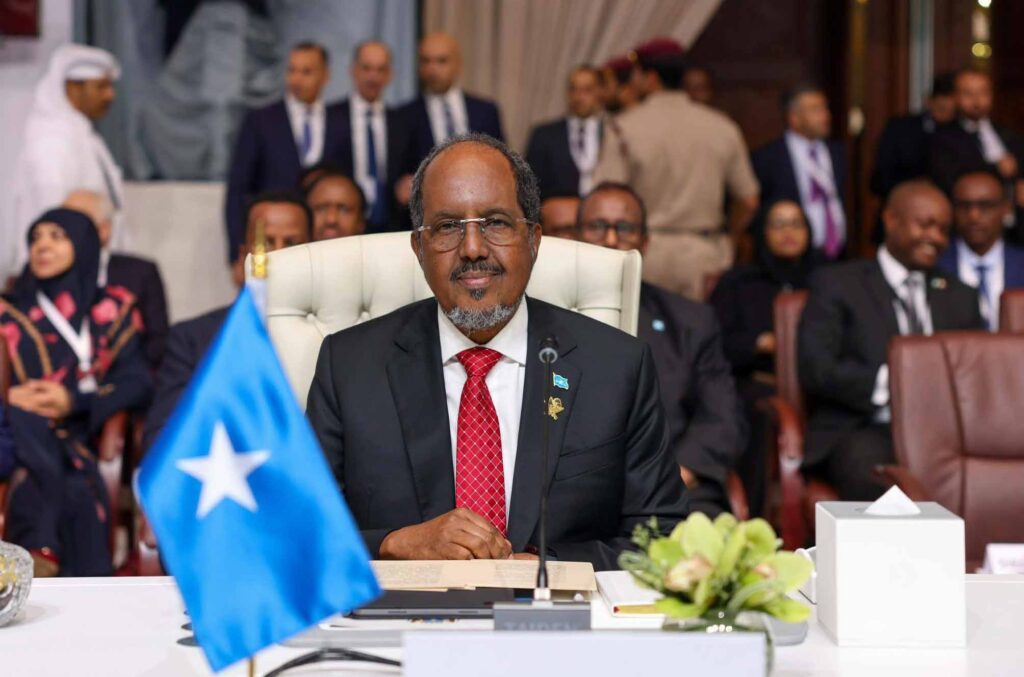
Ali Mohamed Omar Balcad, Somalia’s state minister for foreign affairs, said the proposal builds on a 1980 agreement that already provides a legal framework for US military access.
According to Bloomberg, Omar Balcad noted that the federal government recently offered to renew the arrangement, describing it as the “appropriate and lawful channel for any security cooperation.”
The move is widely seen as a counter to a parallel proposal from Somaliland, the self-declared republic that broke away from Somalia in 1991 but is yet to gain full international recognition.
Somaliland has reportedly offered the US access to key infrastructure, including the strategically located Berbera port and airstrip, in exchange for diplomatic recognition.
Apart from the military bases, Somaliland has also confirmed plans to grant the United States access to its mineral resources and military bases, as the breakaway Somali region pursues international recognition.
“We are willing to give exclusive access to our minerals to the United States. Also, we are open to offer military bases to the United States,” Khadar Hussein Abdi, minister of the presidency, told the AFP news agency in an interview.
While Somalia has formally offered the United States access to Berbera Port, the situation is complicated by the fact that the port is physically controlled by Somaliland, which manages day-to-day operations through the Somaliland Ports Authority and DP World.
This means that, although Mogadishu can make official diplomatic offers, any US presence would require the cooperation of Somaliland and the private operator, creating a delicate balance between legal authority and practical control
A high-stakes contest in the Horn of Africa
The Horn of Africa occupies a critical geopolitical position along shipping lanes that connect the Red Sea to the Indian Ocean.
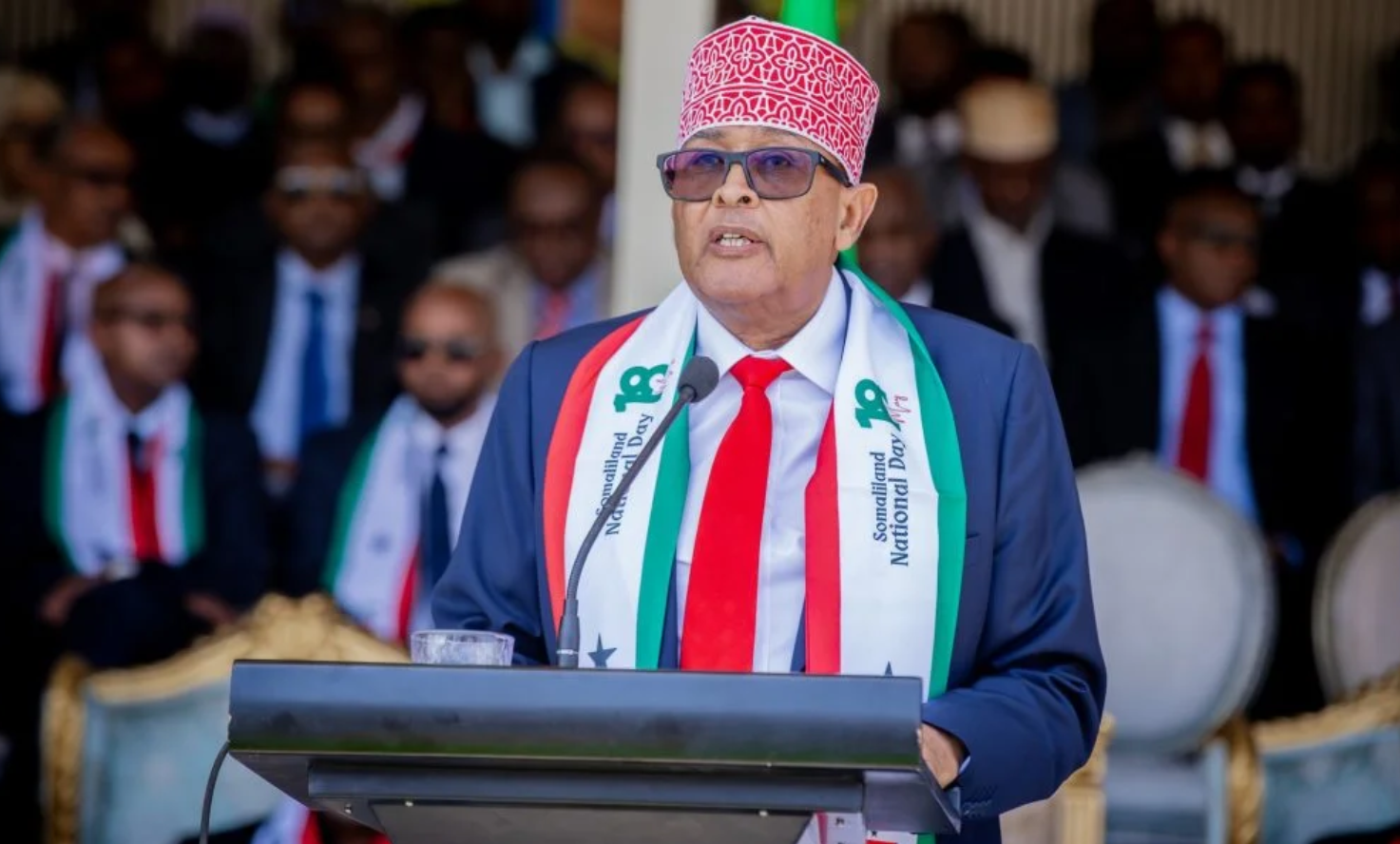
The proximity to the Gulf of Aden – a corridor for a significant share of global trade and energy flows, has long made the region strategically valuable to global powers.
Somaliland’s outreach to Washington gained additional attention amid reports of growing diplomatic engagement involving Israel, which has shown interest in expanding its footprint in the region.
Although no formal recognition has materialized, speculation over potential ties has heightened sensitivities in Mogadishu, which insists that any foreign military or diplomatic arrangements must be negotiated through the federal government.
For the United States, the calculus involves counterterrorism cooperation, maritime security, and broader Red Sea stability.
Analysts also highlight Washington’s interest in securing strategic bases to maintain influence, project power, and ensure direct access to key minerals in the area.
Somalia remains a key partner in operations against al-Shabaab, and access to ports and airfields is central to logistical and operational flexibility.
By renewing its 1980 framework, Somalia is asserting sovereignty while attempting to secure Washington’s attention in a region where strategic alignment increasingly carries diplomatic and economic implications.