




From launching airstrikes aimed at terrorist groups in Nigeria to deploying a tactical team, the United States now intends to get an “assessment of Nigeria’s compliance with the International Religious Freedom.
- The United States has introduced the Nigeria Religious Freedom and Accountability Act of 2026 to combat religious violence and ensure religious freedom in Nigeria.
- This bill mandates the US Secretary of State to report US efforts to curb religious persecution and evaluate Nigerian compliance with global religious freedom standards.
- Key objectives include preventing violence, abolishing blasphemy laws, and supporting displaced populations, emphasizing protections for Christians and non-radical Muslims.
- The act addresses the verification of sanctions under the Global Magnitsky Act and ensures that US assistance does not inadvertently support persecution activities.
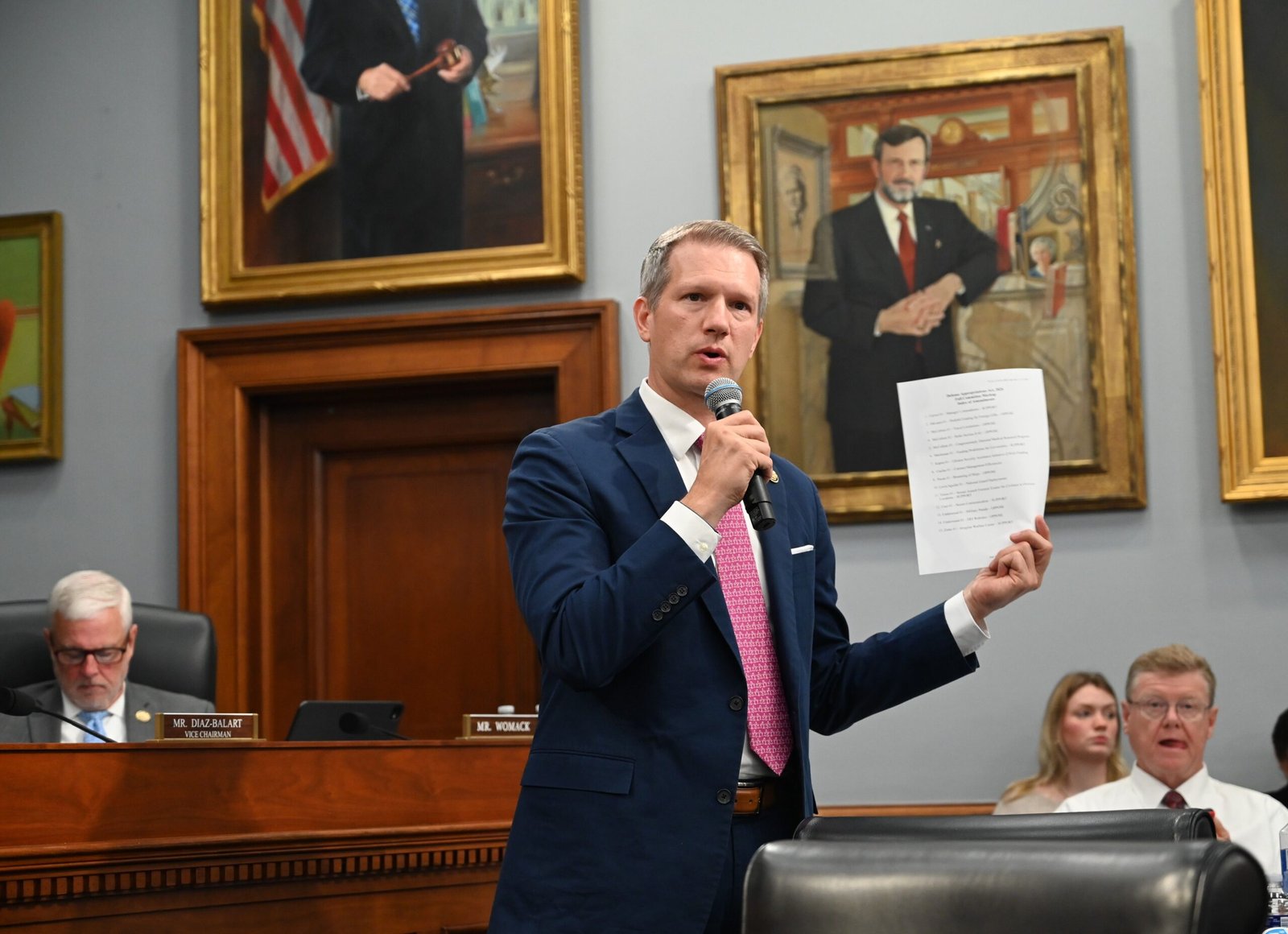
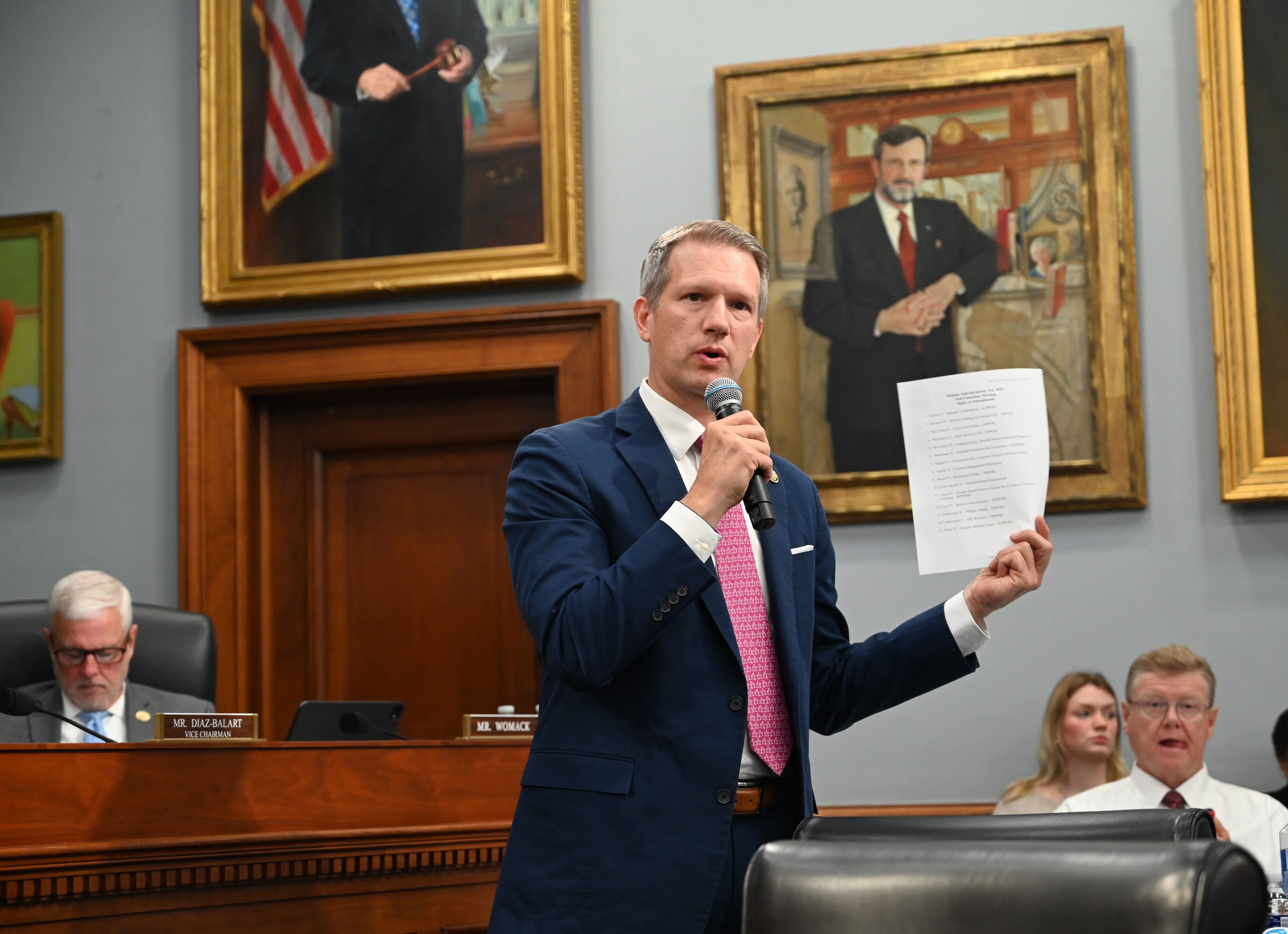
The United States’ representative for West Virginia’s 2nd congressional district, Riley Moore, alongside Chris Smith, Chairman of the House Foreign Affairs Africa Sub-committee, recently introduced the Nigeria Religious Freedom and Accountability Act of 2026.
This bill primarily intends to stop the religious violence aimed at Christians in the West African country of Nigeria.
“For years, Christians in Nigeria have faced unspeakable violence, churches burned, villages destroyed, families slaughtered, while the global community looked away.
As part of the investigation President Trump asked me to lead, I visited Nigeria and witnessed firsthand the horrors our brothers and sisters in Christ face and saw the security challenges Nigeria faces,” Moore stated.
Intention of the new U.S Bill in Nigeria
In a nutshell, the bill would compel the US Secretary of State to provide a thorough report to Congress outlining US efforts to combat religious persecution in Nigeria and assessing the Nigerian government’s compliance with the International Religious Freedom Act.
It also aims to evaluate the measures taken to prevent assaults, convict offenders, abolish blasphemy laws, and safeguard vulnerable populations, especially internally displaced people.
“I applaud the Nigerian government for working in coordination and cooperation with the Trump Administration to address the security challenges throughout the country. I stand ready to continue working to deepen and strengthen our relationship with Nigeria, as we work to save Christian lives,” Rep. Moore continued.
DON’T MISS THIS: US says some military forces have been deployed to Nigeria
Additionally, it would identify people and businesses sanctioned under the Global Magnitsky Act, assess if US security assistance to Nigeria risks aiding persecution, and detail humanitarian cooperation for displaced Christians.
“The Nigerian government’s blatant denial of the religious persecution occurring within its borders has only enabled the religious-based violence in the country to fester, with Christian deaths and church attacks reaching unprecedented numbers,” the U.S representative stated.
Furthermore, the measure requests suggestions on additional executive or congressional action to combat religious violence.
“Now that President Trump has rightly redesignated Nigeria a ‘Country of Particular Concern’ (CPC), the United States has a responsibility to do its due diligence in ensuring that the Nigerian government is taking the proper steps to address and punish the systemic violence against Christians and non-radical Muslims by Islamist extremists, such as Boko Haram and Fulani terrorists, Smith stated.
“Inaction on the part of both the Nigerian and U.S. governments only emboldens these radical Islamist thugs to inflict even more misery, suffering, and death upon Christians and non-radical Muslims in Nigeria.
That is why it is paramount that the United States remain steadfast in its mission to promote and protect religious freedoms throughout the globe—by ensuring that we are doing all that we can to end this crisis, we set an important example for the rest of the international community,” he added.