





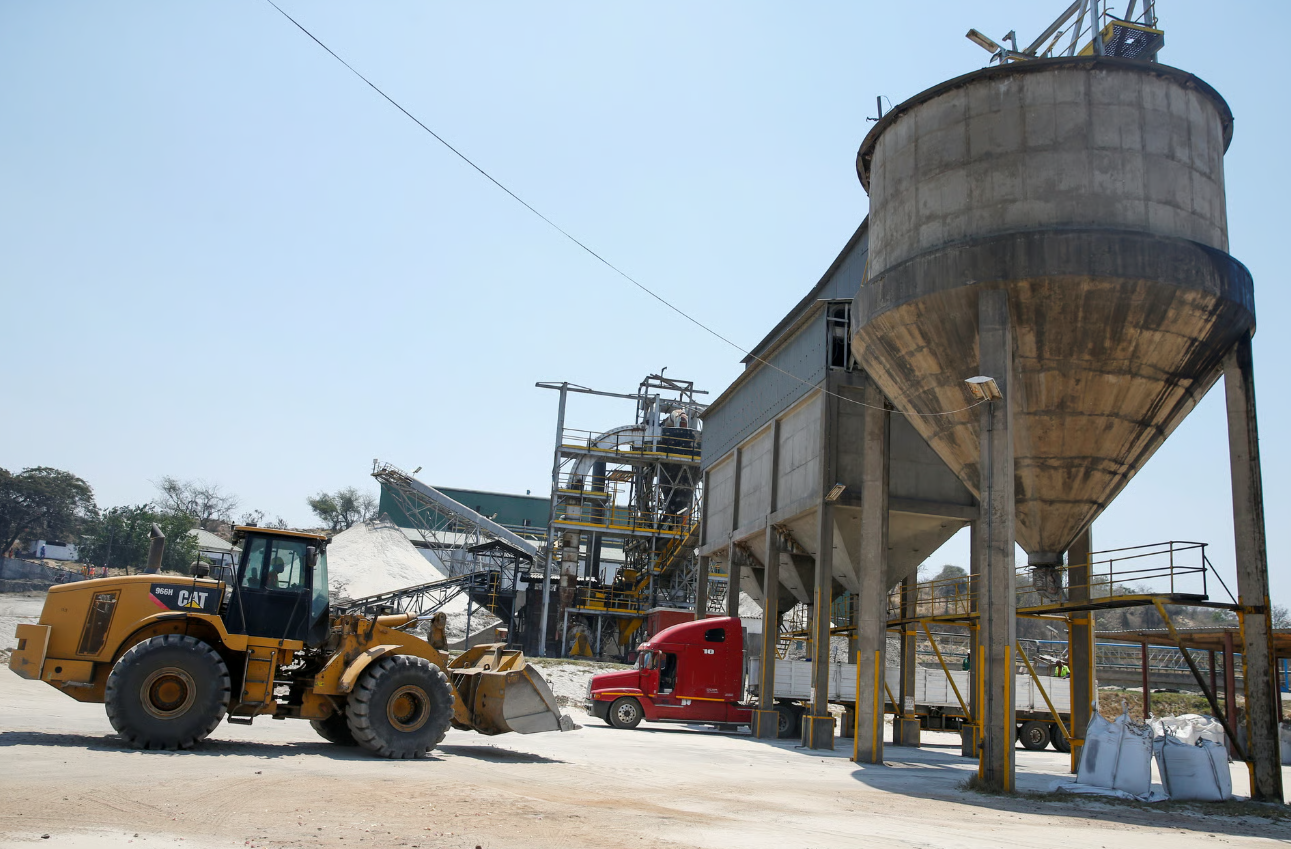
To protect its investment and cut its losses, sources claim that India is pulling out of a lithium project in the West African country of Mali.
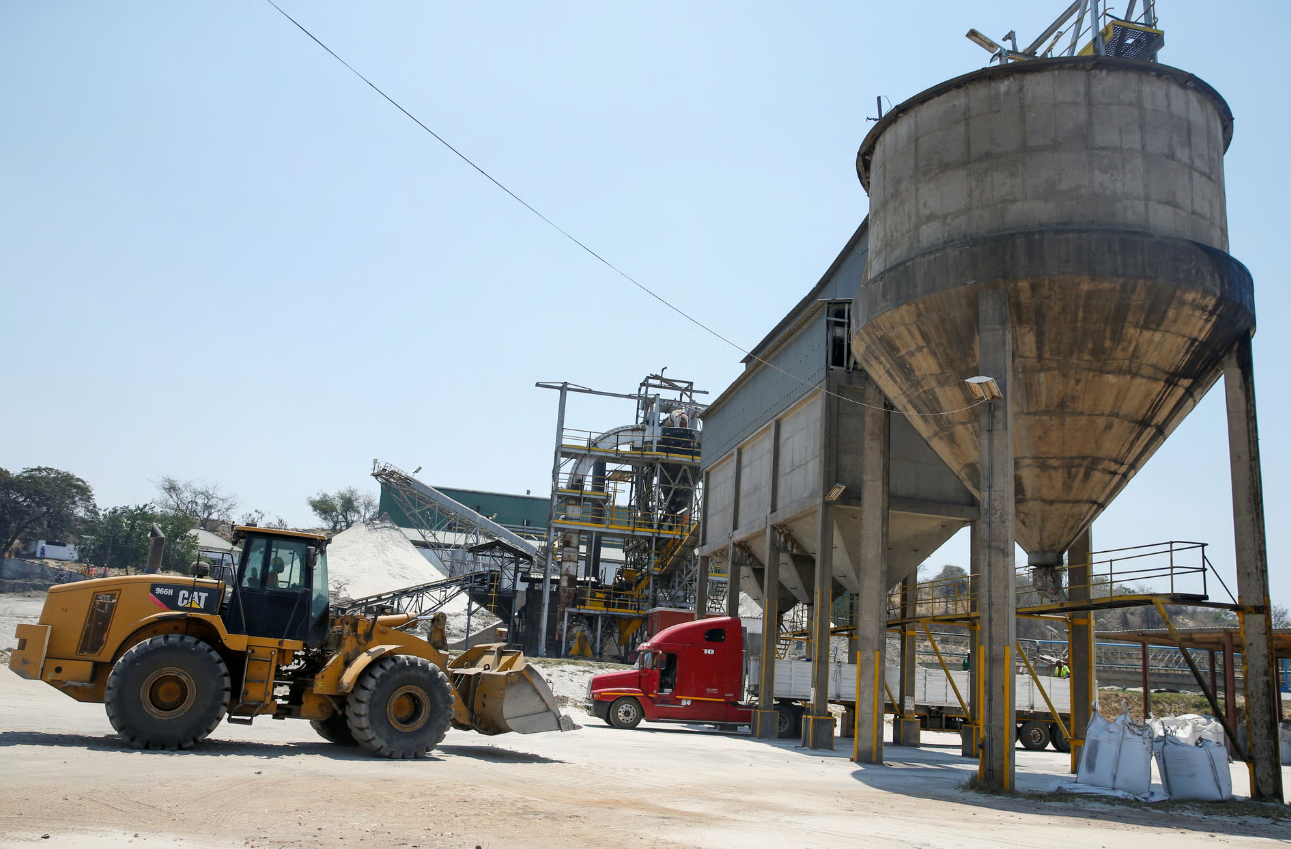
- India has decided to withdraw from a lithium exploration project in Mali, citing security concerns in West Africa.
- This decision aligns with advisories issued by Western nations urging their citizens to leave Mali due to insurgent activity targeting economic assets.
- The project involved partnerships between Indian companies and Mali’s lithium sector, supported collaboratively with Russia.
- India’s decision reflects concerns over the stability of investments in regions battling security and insurgent challenges.
This decision is a consequence of advisories issued by Western nations, including the United Kingdom, France, and the United States, urging their citizens to leave the West African country due to security challenges.
DON’T MISS THIS: Russian intelligence claims France has approved the removal of ‘unwanted leaders’ in Africa
These security concerns are specific to the country’s battle against insurgent groups such as al Qaeda, which has been targeting economic assets and international investments.
While India’s mining ministry is yet to release an official statement, sources familiar with the development revealed that India is concerned that these elements could precipitate investment losses in the lithium mine, which is also backed by Russia’s state-owned nuclear corporation, Rosatom.
“The project is on hold because we cannot be spending on something where there is a chance we will lose our investment,” one of the sources said.
As seen on Reuters, last year, Rosatom commenced lithium exploration in Mali alongside Khanij Bidesh India Ltd. and NLC India Ltd, both of which are backed by the Indian government.
As presently constituted, Mali is considered an emerging producer of the critical mineral, which has proven vital for electric vehicle battery production.
Mali is also a major player in the gold market, holding an estimated 493,000 ounces in reserves, with plans to consolidate its indigenous gold holdings.
Based on a presidential decree dated January 19, Hilaire Bebian Diarra, an earth-science specialist who defected from Barrick to the government last year while directing the negotiations for the firm for control of the Loulo-Gounkoto complex, was appointed to a ministerial-level role in Mali’s lucrative mining sector.
Hilaire Bebian Diarr will have the responsibility of supervising the sector, indirectly fostering the president’s direct control over the country’s gold industry.
In recent years, there has been tension between Barrick Gold and Mali.
Mali versus Barrick Gold
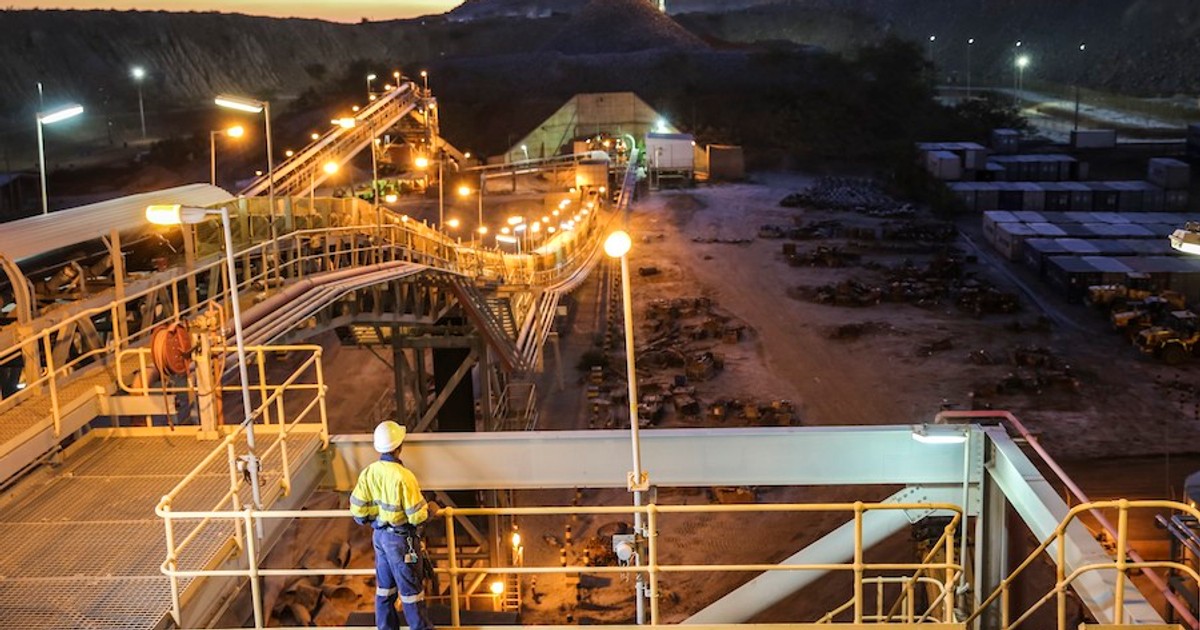
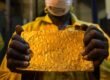
The conflict, which began with Mali’s desire for more autonomy over its resources, exploded in January 2025, when Malian officials confiscated three metric tons of Barrick’s gold, worth around $400 million, in a military helicopter operation carried out under a judicial confiscation order.
As a result, Barrick stated that the seizure voids its insurance coverage and necessitates a temporary stoppage of operations.
Barrick says it acted legally and paid the government $85 million in October 2024, despite Mali claiming it owed them about $500 million in unpaid taxes.
Before an arrangement was made, the gold stolen in the military helicopter was stored in a Bamako bank vault for over a year.
Under the settlement, Barrick agreed to pay around $430 million to resolve outstanding claims and withdraw its international arbitration cases against Mali.
In return, Mali dropped charges against the company, released four Barrick employees detained since November 2024, and ended the provisional administration imposed on the mining complex.