







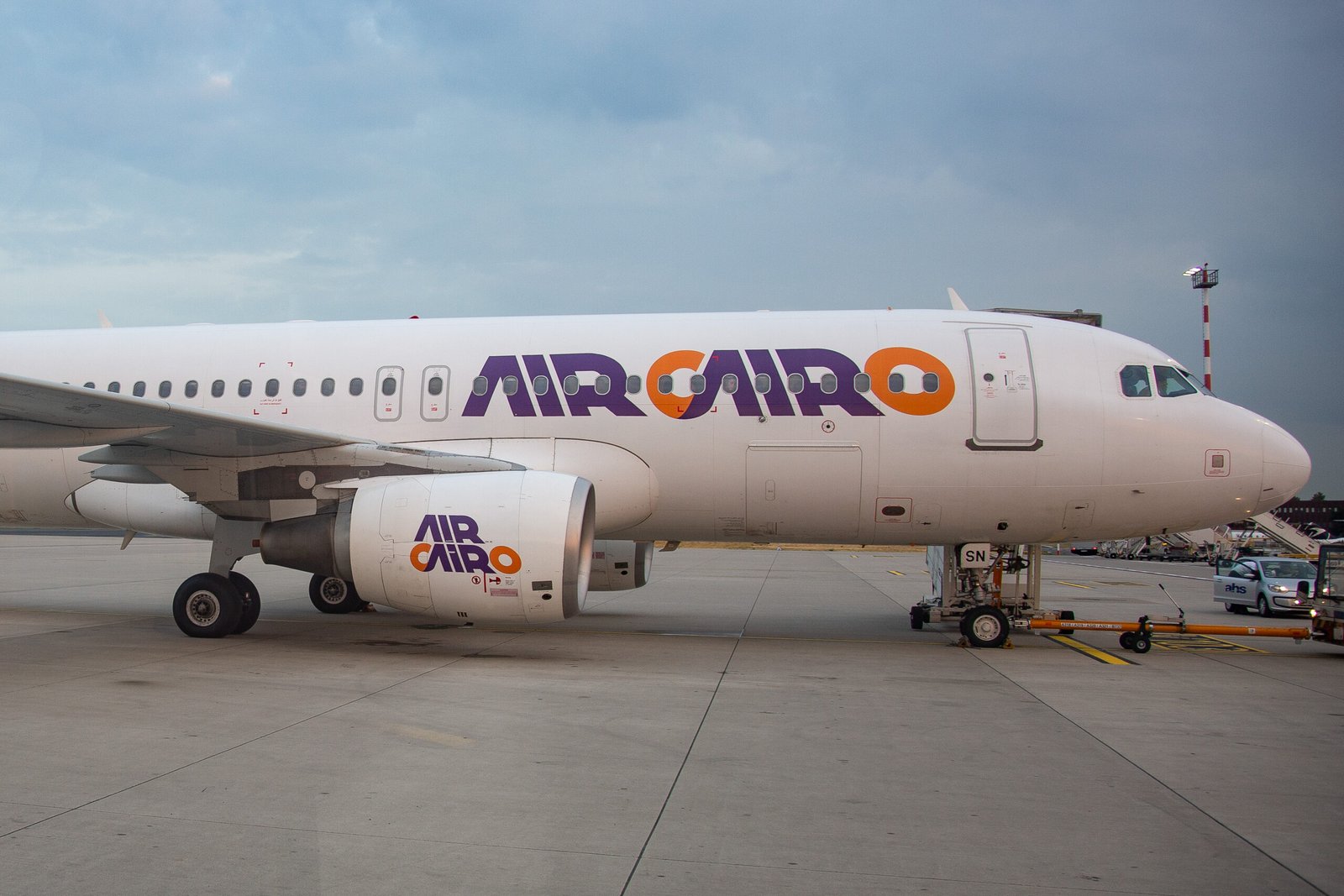
![Air Cairo Airbus A320-200 airplane seen at Düsseldorf International Airport DUS EDDL in Germany. [Photo by Nicolas Economou/NurPhoto via Getty Images]](https://ocdn.eu/pulscms/MDA_/7a05b56b4b8b0bc7570a177398138e17.jpg)
Egypt’s airports have registered a surprising surge in passenger numbers this year, even as conflict in the Middle East continues to disrupt global aviation and travel confidence.
- Egypt’s airports recorded an 8% year-on-year increase in passenger numbers from March 1–29, reaching 2.2 million travelers.
- This follows a strong start to 2026, with January and February seeing 4.6 million passengers, up from 4 million in 2025.
- Analysts warn that regional instability, including the US-Iran conflict, could still impact Middle East tourism, potentially erasing billions in visitor spending.
- Despite challenges, Egypt has adjusted fuel and transport prices while passenger numbers continue to climb.
New figures from the Egyptian Cabinet show that from March 1 to March 29, total passenger volumes rose by 8 percent compared with the same period last year, reaching 2.2 million travelers.
The data also underscores a sustained rebound earlier in the year, with 4.6 million passengers recorded in January and February combined, up from 4 million in the same months of 2025, marking a 53 percent increase over the equivalent period in 2024.
The growth comes amid concerns over the safety of travel in and around the region following the outbreak of conflict between the United States and Iran in late February, which has prompted airlines to alter flight paths and raised questions about tourists’ risk perception.
Last month, the World Travel & Tourism Council, based in London, warned that the broader Middle East’s tourism sector was losing at least $600 million in international visitor spending every day due to the conflict’s impact on demand.
The council pointed out that the Middle East accounts for about 5 percent of global international arrivals and 14 percent of international transit traffic, meaning any disruption can ripple across airlines, airports, hotels, and other travel services.
Analysts at Oxford Economics have forecast that inbound arrivals to the Middle East could fall by between 11 percent and 27 percent in 2026, potentially erasing between $34 billion and $56 billion in visitor spending, depending on how quickly the hostilities are resolved.
In response to broader economic pressures, Egypt has increased prices for fuel, trains, and metro services following a spike in oil and gas costs driven by supply disruptions linked to the conflict.