





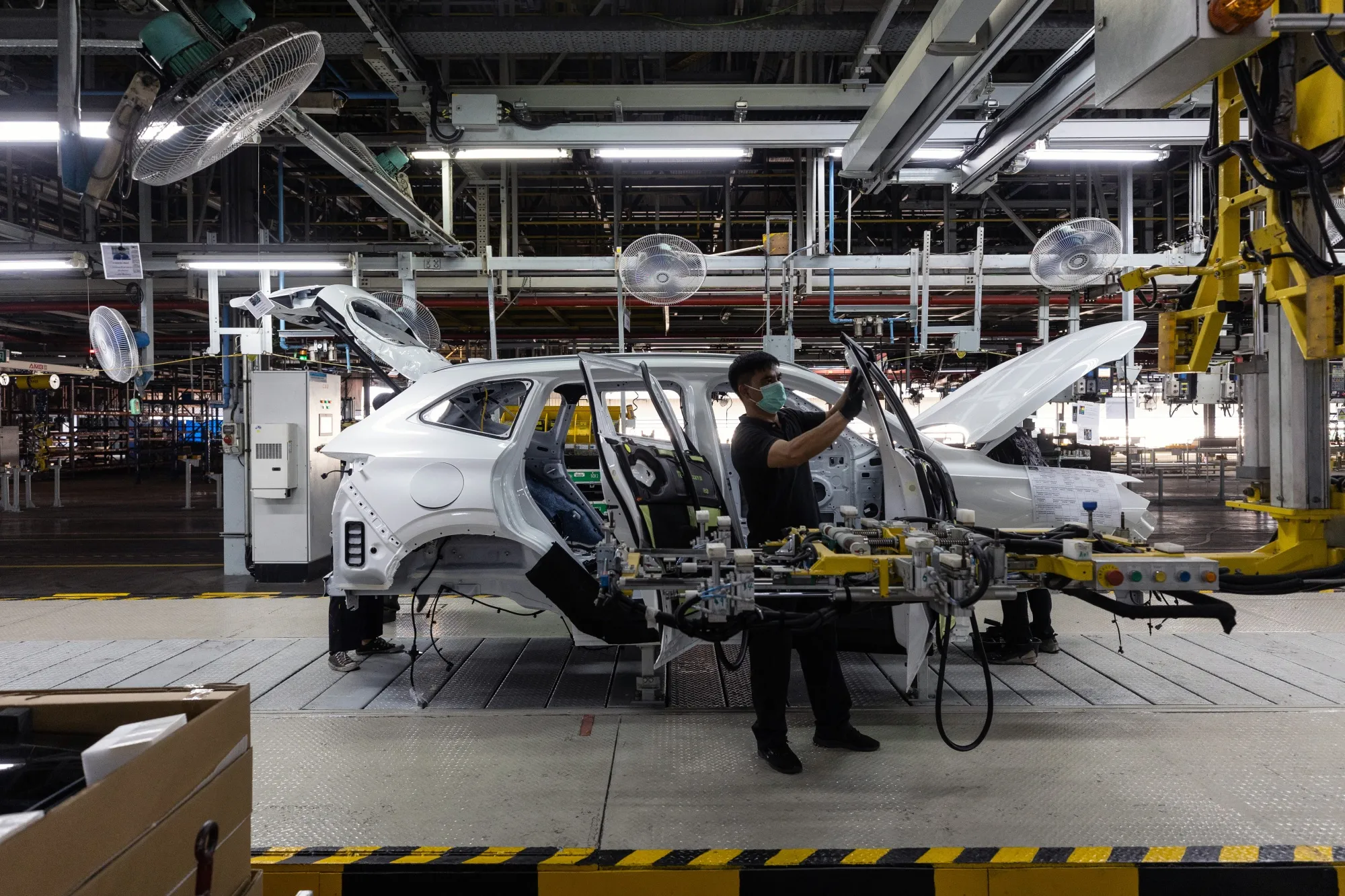
Mercedes-Benz Group AG is exploring the possibility of sharing its South African manufacturing plant with Chinese automaker Great Wall Motor Co., a move that could strengthen the facility amid US trade tariffs.
- Mercedes-Benz is considering sharing its South African manufacturing plant with China’s Great Wall Motor (GWM) to bolster operations amid new US tariffs.
- Discussions involve co-manufacturing vehicles at Mercedes’ East London facility, with GWM seeking permission from South African authorities.
- No formal agreement has been reached, and other plant uses, such as battery repurposing, are also being considered.
- The plant, recently modernised and employing 2,400 workers, faces economic strain due to new US tariffs on car exports from South Africa.
Mercedes-Benz Group AG is exploring the possibility of sharing its South African manufacturing plant with Chinese automaker Great Wall Motor Co., a move that could strengthen the facility amid US trade tariffs, according to people familiar with the matter.
The companies are reportedly in talks to co-manufacture vehicles at Mercedes’ plant in East London, Bloomberg reported. GWM representatives have submitted a proposal to South Africa’s Department of Trade, Industry and Competition, expressing interest in producing vehicles locally.
Neither company provided further details, with Mercedes stating only that it “strives to ensure all production sites remain globally competitive” and GWM noting it is “investigating ways to expand in the local market.”
No agreement has been finalised, and alternative arrangements are possible. Mercedes is also considering using the plant as a hub to repurpose end-of-life passenger vehicle batteries.
US Tariffs Pressure
The East London facility has shipped C-Class sedans to the US since 1997 under the African Growth and Opportunity Act, benefiting from duty-free exports. Tariff changes, including a 15% US levy starting this month, have put pressure on the plant’s economics.
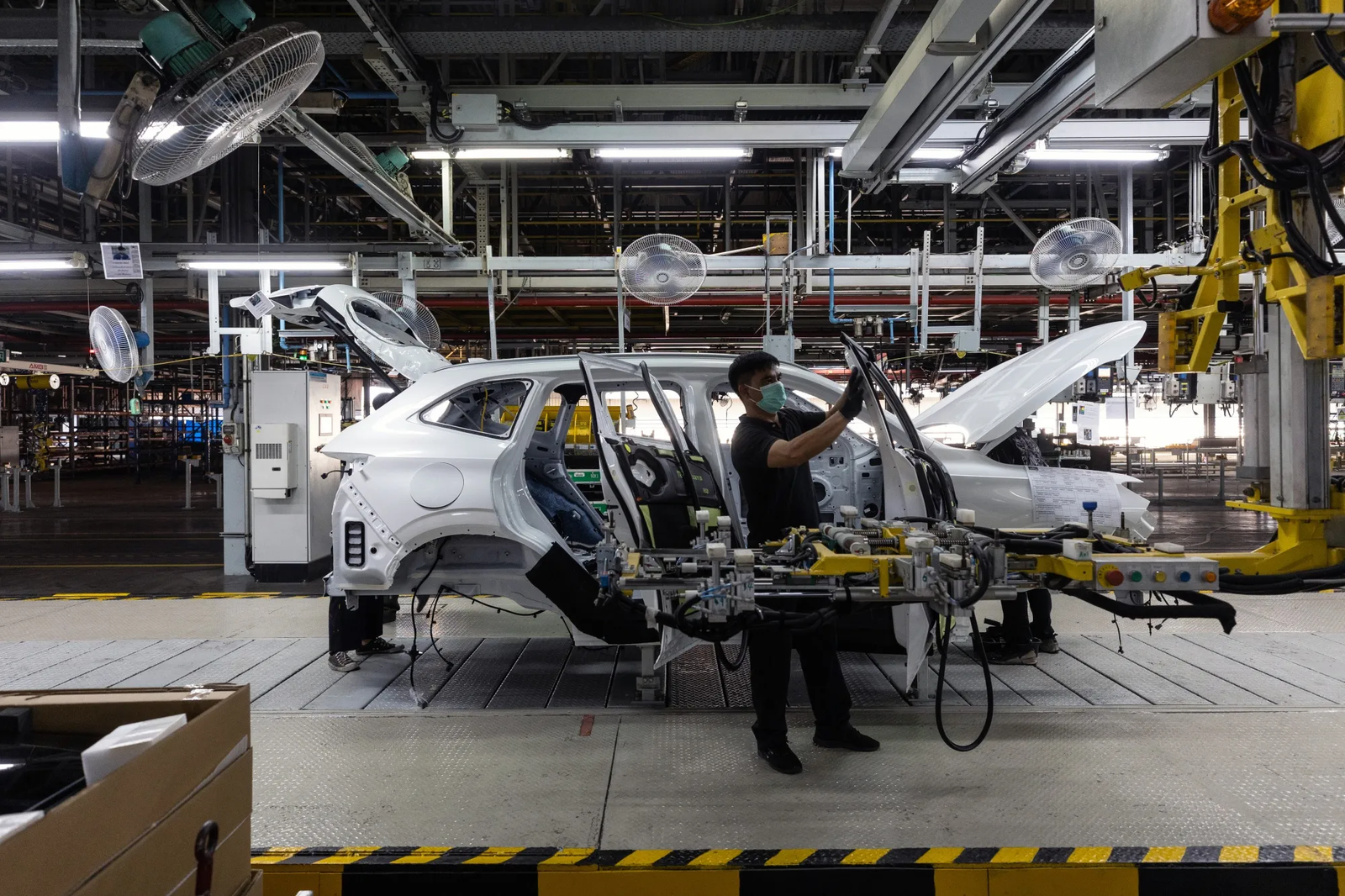
Modernised in 2022 for €600 million ($694 million), the factory employs around 2,400 workers. Sharing the facility could reduce overcapacity, lower operating costs, and help preserve jobs as local production drops. Only one in three cars sold in South Africa is now made domestically.
For GWM, a local production line would meet growing demand for its Haval and Tank brands, while Mercedes could accommodate another brand with minimal changes, aside from a separate body shop for welding and assembly.