





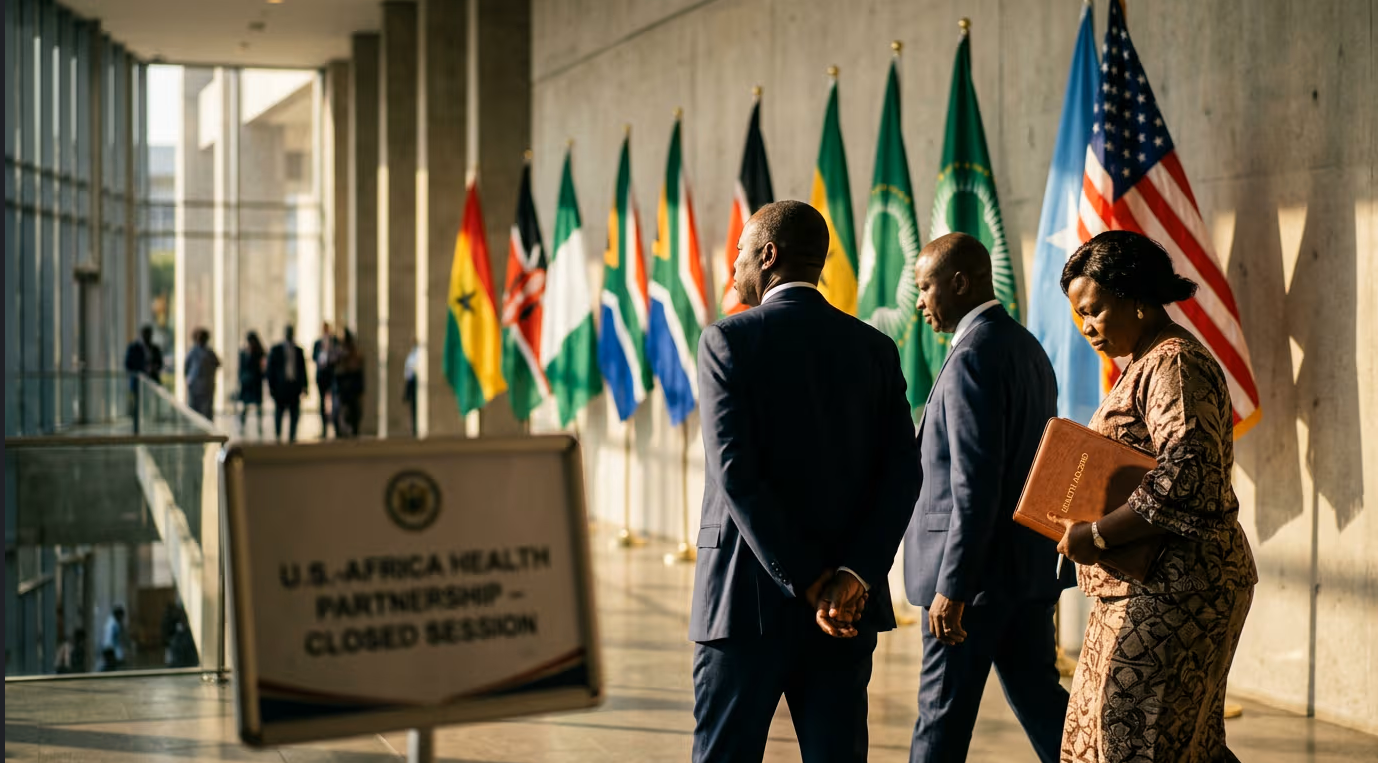
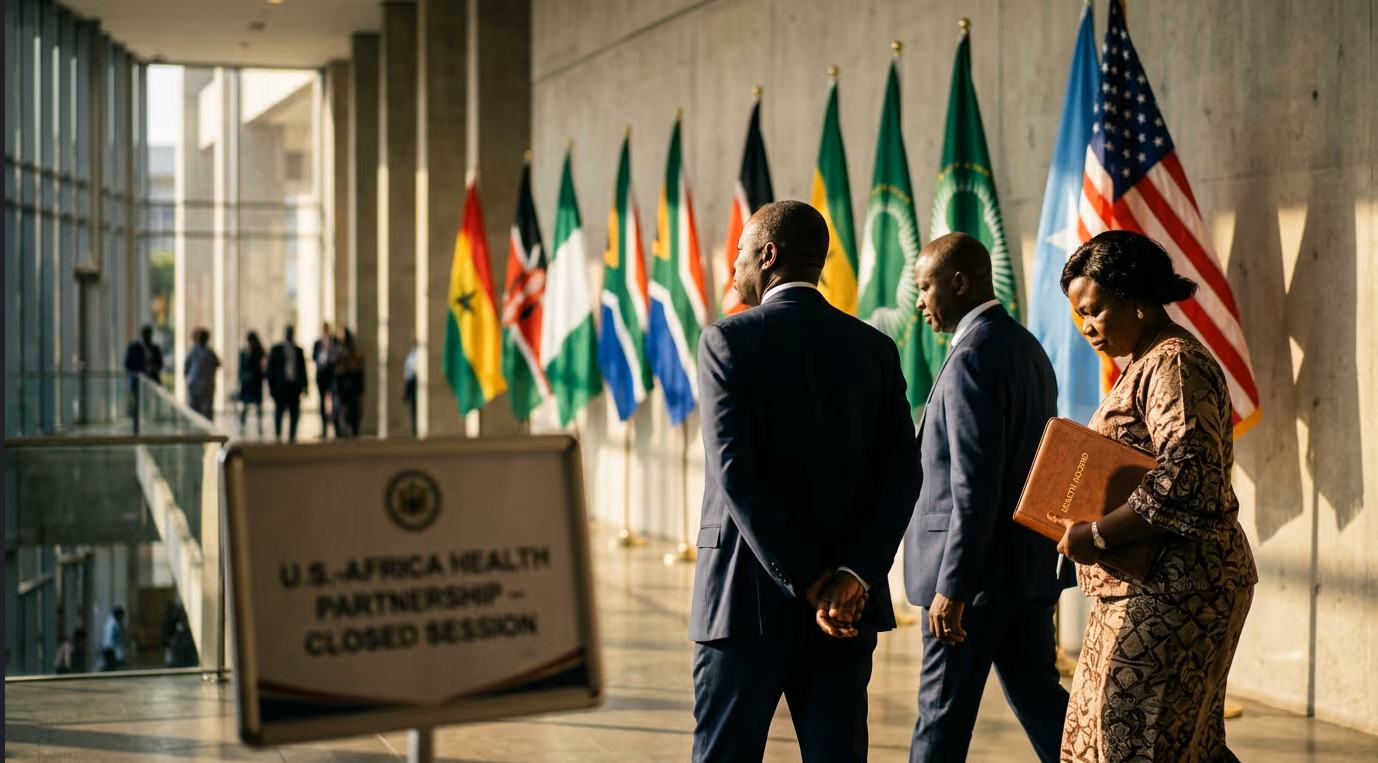
Senegal has become the 26th nation globally – and the 21st in Africa to sign onto a $12.6 billion U.S.-backed health initiative aimed at strengthening healthcare systems and expanding access to critical medical services
- Senegal has joined a $12.6 billion U.S.-backed global health initiative, becoming the 26th country and 21st in Africa to participate.
- The new five-year agreement with Senegal includes $90.4 million in funding, with $63.1 million from the U.S. to fight HIV, malaria, and improve health systems.
- The America First Global Health Strategy emphasizes multi-year partnerships involving both U.S. aid and local investment to strengthen healthcare infrastructure and digital systems.
- Some African experts express concerns about data sharing provisions and the inclusion of conditions tied to mining deals or religious groups
After years of scaling back, the U.S. is back in Africa, committing $12.6 billion to health programs with Senegal as the newest partner.
On March 13, the United States signed bilateral health cooperation MOUs with its latest two partner countries – the Republic of Honduras and the Republic of Senegal – marking key milestones in advancing the Trump administration’s America First Global Health Strategy.
The five-year health cooperation MOU signed with Senegal totals $90.4 million, with $63.1 million funded by the U.S. to fight HIV and malaria, strengthen health governance, expand laboratory capacity, upgrade facilities, and advance digital health systems.
According to a statement by the US department of state, the United states government working with Congress, intends to provide $63.1 million to fight HIV and malaria, support health governance, laboratory capacity, health facility upgrades, and digital health systems advancement while Senegal commits to invest $27.3 million in co-financing.
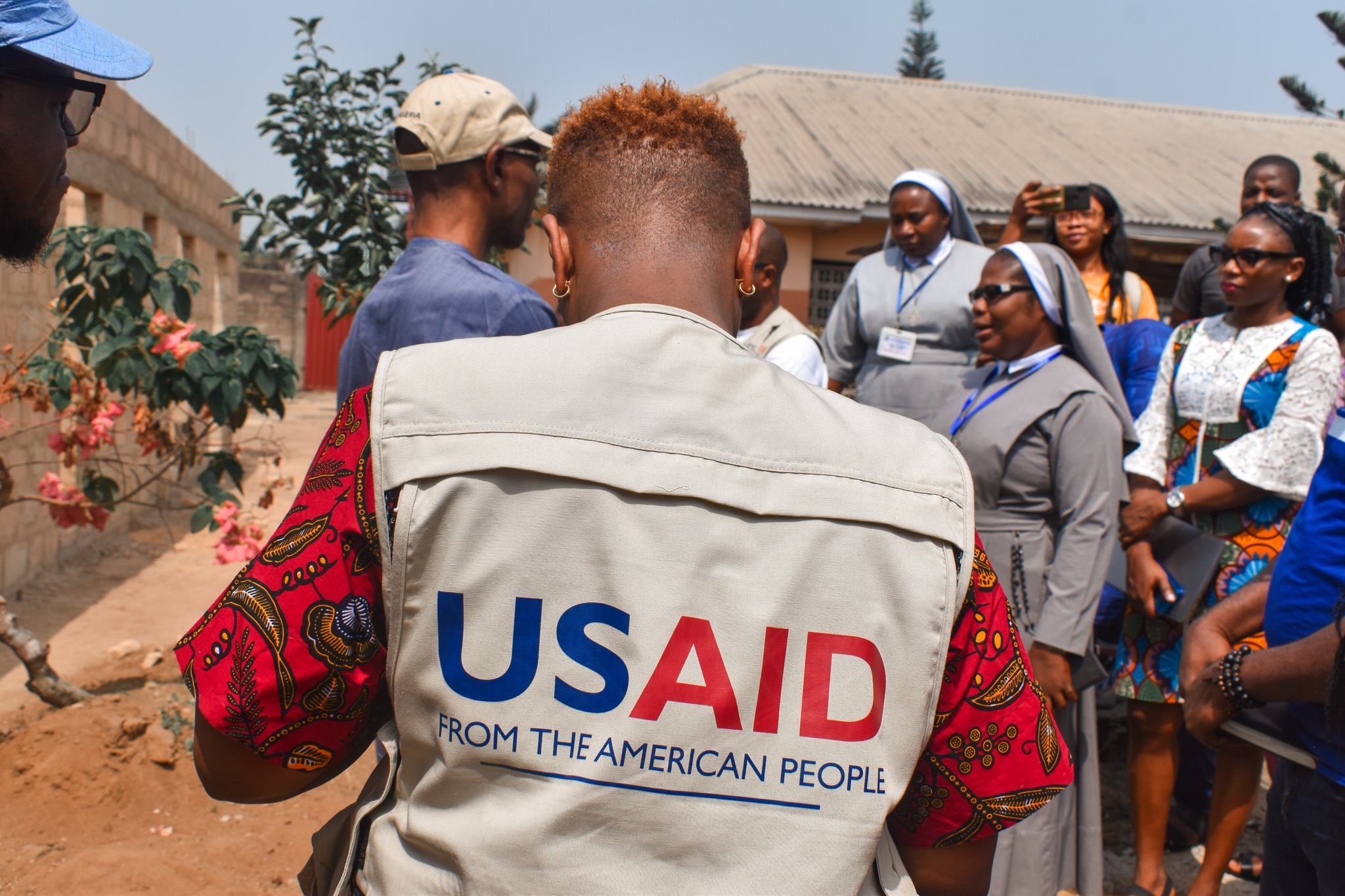
Unlike previous USAID programs, which focused on short-term, project-specific aid, the new America First Global Health Strategy emphasizes multi-year partnerships that combine U.S. assistance with local co-investment to strengthen health infrastructure, governance, and digital systems.
Senegal’s MOU also allocates $15.7 million to global health security, enhancing the country’s ability to detect and respond to infectious disease outbreaks that could affect both Senegalese and American populations.
America First Strategy represents a new approach
Under the MOU, Senegal prioritizes expanding health coverage, improving governance through quality control, establishing a National Institute of Public Health, advancing digital health via electronic patient records and telemedicine, and achieving pharmaceutical sovereignty by producing 30 percent of medicines locally.
So far, the U.S. has committed $12.6 billion of the $20.4 billion total in new health funding, with recipient countries contributing $7.7 billion in co-investment.
As of March 2026, 26 nations worldwide have signed bilateral MOUs under the strategy, including 21 African countries – Botswana, Burkina Faso, Burundi, Cameroon, Côte d’Ivoire, the Democratic Republic of the Congo, Eswatini, Ethiopia, Guinea, Kenya, Lesotho, Liberia, Madagascar, Malawi, Mozambique, Niger, Nigeria, Rwanda, Senegal, Sierra Leone, and Uganda — as well as five countries from the Americas: the Dominican Republic, El Salvador, Guatemala, Honduras and Panama.
African health experts flag ‘red flags’ in U.S. health deals
The Conversation Africa spoke with virology professor Oyewale Tomori, who raised concerns over the U.S.-backed health agreements with African nations.
He criticized provisions requiring countries to share sensitive health data and pathogen samples for up to 25 years, urging that African nations manage data locally rather than exchanging it for donor funding.
Other issues include Zambia’s agreement being tied to a pending U.S.–Zambia mining deal and Nigeria’s focus on Christian faith-based healthcare facilities, with $200 million earmarked for over 900 centers, raising inclusivity concerns given the country’s religious diversity. Experts warn these “red flags” could undermine sovereignty, equity, and long-term health system effectiveness if signed without careful review.
Some nations have already rejected parts of the deal. Zimbabwe turned down a $367 million agreement over concerns about sensitive data, while Zambia pushed back on elements of a $1 billion global health package.
Analysts note the current strategy reflects a strategic U.S. return to Africa, emphasizing long-term partnerships, infrastructure, and digital health systems to strengthen resilience and autonomy while advancing global health security.