





![Emirates Global Aluminium’s record 2025 aluminium sales help offset Guinea bauxite dispute, securing $2.53B core profit. [Getty Images]](https://ocdn.eu/pulscms/MDA_/74d3d3e4ea7dfa1fb397869ca5d4bb5d.jpg)
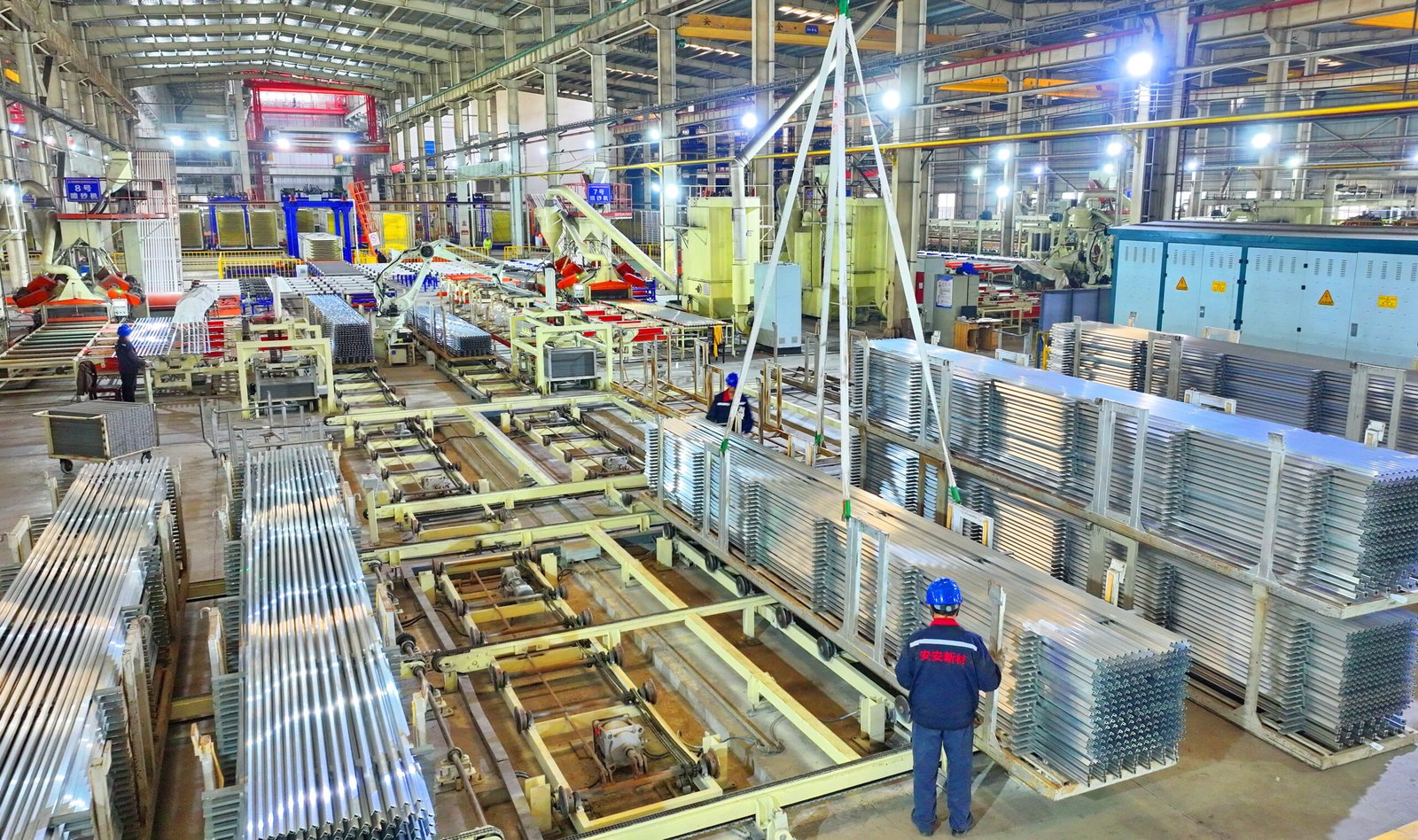
The world’s largest premium aluminium producer, Emirates Global Aluminium, reported stronger core earnings for 2025 after record metal sales offset a major financial hit tied to its Guinea operations.
- Emirates Global Aluminium (EGA) posted stronger core profits in 2025 despite losing a key bauxite concession in Guinea.
- Record aluminium sales and higher realised prices drove core earnings to $2.53 billion.
- Net profit fell to $578 million due to the Guinea dispute, but alternative supply from Australia and Ghana covered most of the volume needs.
- The UAE-based firm plans to pay $1 billion in dividends, highlighting its resilience in volatile African markets.
In a statement released Wednesday, the UAE-based firm said that underlying net profit, excluding its Guinean subsidiary, rose 16 percent to $1.34 billion. Core profit also climbed 7 percent to $2.53 billion, supported by higher realised aluminium prices and total sales of 2.83 million tonnes.
However, the company’s overall net profit fell about 19 percent year-on-year to $578 million, including the impact of the dispute in Guinea.
Last year, Guinea revoked a 690-square-kilometre bauxite concession held by Guinea Alumina Corporation and reassigned it to a new state-backed entity, citing breaches of the mining code. EGA has previously described the move as “a flagrant violation” of the subsidiary’s contractual and legal rights.
Despite the setback, the company said it moved quickly to stabilise supply. Alternative bauxite sources secured from Australia and Ghana now cover more than 70 percent of its volume requirements.
EGA is jointly owned by Abu Dhabi sovereign wealth fund Mubadala and Dubai’s Investment Corporation of Dubai. The firm proposed paying 1 billion dollars in dividends to shareholders based on last year’s earnings.
The results underscore the resilience of the Gulf metals producer even as geopolitical and regulatory risks in resource-rich African markets continue to reshape global supply chains.