







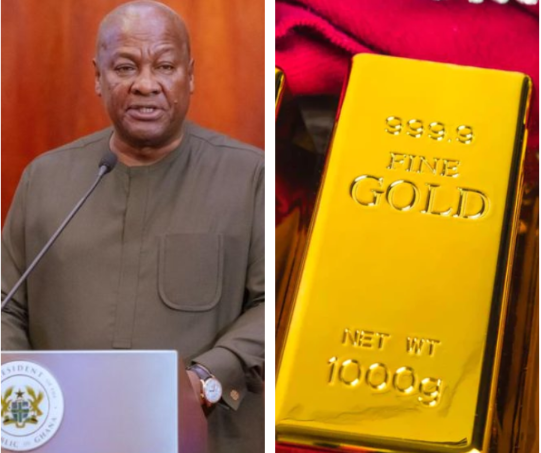
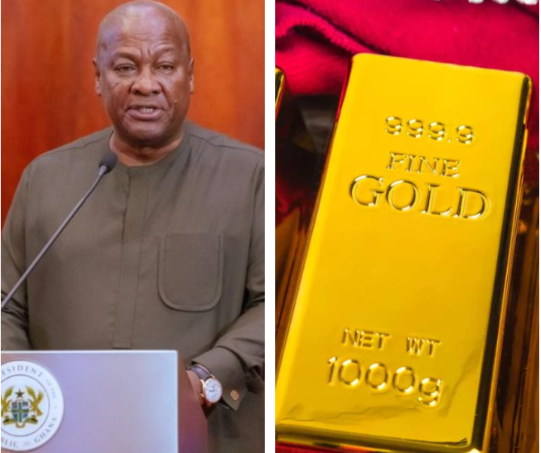
Africa’s top gold producer, Ghana is reshaping its mining landscape as soaring global gold prices trigger a shake-up in long-term contracts.
- Ghana, Africa’s leading gold producer, is overhauling its mining policies in response to surging global gold prices.
- The government has annulled long-term mining agreements and increased gold royalties to capture higher revenues.
- Proposed reforms include a new royalty system based on gold prices and stricter local-content requirements.
- The changes follow a trend across Africa, where nations are seeking increased control and benefits from their natural resources.
The government has canceled several long-term mining agreements and raised royalties on gold production, signaling a new strategy to capture a larger share of the windfall from rising commodity prices.
The changes mark a significant shift in how the West African nation manages its mineral wealth, balancing investor confidence with stronger fiscal and local‑content demands as global gold prices trade around record highs of about $4,590 per ounce.
The stability and development agreements in Ghana traditionally lock in tax and royalty terms for five to 15 years in exchange for major capital investments of roughly $300 million to $500 million for new mine construction or expansions.
Companies must also extend mine life and increase output as conditions for renewal.
Mining giants Newmont, AngloGold Ashanti, and Gold Fields currently operate under long-term stability agreements.
Reuters, in an exclusive report noted that under the proposed changes, which will be enshrined in law through a draft bill expected to reach Parliament by March, Newmont’s stability agreement which expired in December won’t be renewed.
Similar agreements held by AngloGold Ashanti and Gold Fields will be phased out when they lapse in 2027.
The bill proposes a royalty formula that starts at 9 per cent and rises to 12 per cent if gold prices exceed $4,500 per ounce, compared with the current band of 3 per cent to 5 per cent. The reforms also include stricter local‑content requirements for in‑country procurement and enhanced support for Ghanaian firms.
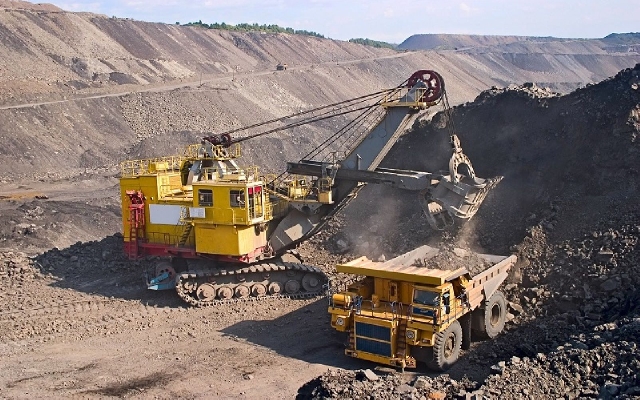
Africa moves toward national control of mines
Ghana’s move echoes a growing trend among African governments to tighten control over strategic mineral resources and to extract more value from them, particularly in the context of higher commodity prices.
Across the continent, several countries have revisited contracts that once offered long‑term stability to multinational miners, instead asserting greater fiscal and regulatory leverage.
In the Alliance of Sahel States (AES) and other resource‑rich nations, debates on nationalisation and enhanced state participation have gained traction as governments seek to ensure that mineral wealth translates into local economic benefit rather than primarily enriching foreign operators.
Acting Minerals Commission CEO Isaac Tandoh said stability agreements and development pacts had been abused in the past, with some companies funneling revenue out of Ghana while neglecting basic local obligations, including contributions to district assemblies.
“Renewal of (investment stability agreements) is not going to happen … Renewal is conditional, not automatic,” Tandoh said. He also dismissed concerns that tougher terms would deter investment, noting that miners operate under harsher conditions in other jurisdictions yet remain profitable.
While authorities have indicated they are sensitive to the concerns of smaller and newer projects, the reforms signal a decisive shift toward ensuring that Ghana’s gold boom delivers broader economic returns at home, reinforcing a broader continental trend of rebalancing extractive sector contracts in favour of resource‑owning states.