





As Zambia heads to the polls next week, the country’s mining industry is focused on more than who wins the presidency.
- Zambia’s miners are looking beyond next week’s elections to policies that can accelerate copper production.
- The country aims to nearly triple annual output to 3 million tonnes by the next decade.
- Mining firms are calling for more exploration, power investment and local mineral processing.
- The election is widely seen as a test of policy continuity for one of Africa’s biggest copper producers.
For miners and investors, the bigger question is whether the next government can deliver the reforms needed to transform Africa’s second-largest copper producer into one of the world’s fastest-growing suppliers of the metal powering the global energy transition.
Copper prices have surged by more than 40% over the past year to around $14,000 per tonne, driven by soaring demand from electric vehicles, renewable energy projects, power grids and data centres.
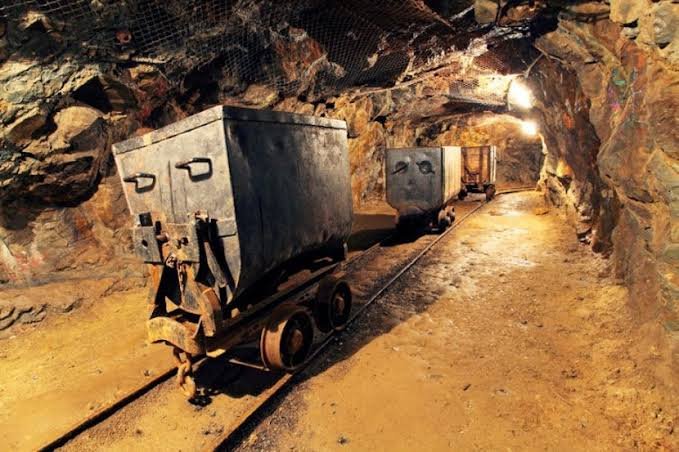
Zambia hopes to capitalise on that boom by increasing annual copper production to 3 million metric tonnes, nearly three times its current output.
Industry executives say achieving that target will require more than favourable commodity prices.
Mining companies are urging the next administration to accelerate exploration, expand electricity generation, improve transport infrastructure and create stronger incentives for mineral processing and value addition instead of exporting raw materials.
They also want licensing reforms that encourage genuine exploration and greater certainty around mining regulations.
“The ambition to triple copper production will require stronger incentives for exploration, local manufacturing and value addition, alongside major infrastructure investments,” Ayo Sopitan, chief executive of Metalex Commodities, told Reuters.
He also called for stronger dispute-resolution mechanisms and changes to export duties that affect producers without refining capacity.
DON’T MISS THIS: Nigerian investor Michael Prest wins major Zambia court battle after his 24.8% bank stake was wiped out
Billions invested for production boom
The industry’s optimism reflects the investment momentum Zambia has built since President Hakainde Hichilema came to power in 2021.
According to the Zambia Chamber of Mines, the sector has attracted more than $10 billion in new investment over the past four years, helped by tax reforms and closer engagement between government and mining companies.
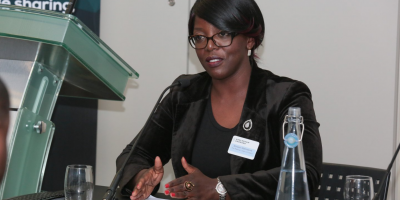
Anthony Malenga, president of the Chamber of Mines, said discussions between government and industry have improved the country’s competitiveness, but warned that Zambia’s long-term production goals depend on maintaining a strong pipeline of new discoveries.
“The mining industry needs real growth and this can only happen with increased spending on greenfield exploration,” he said, adding that exploration licences should be held by companies capable of developing projects rather than simply warehousing mineral rights.
Copper remains the backbone of Zambia’s economy, contributing about 9% of gross domestic product, generating roughly 72% of export earnings and accounting for nearly half of government revenue.
That makes next week’s election significant not only for politics but also for one of Africa’s most strategically important mining industries.
More than eight million Zambians are registered to vote on August 13 to elect a president, lawmakers and local government representatives.
Political analysts broadly expect Hichilema to secure a second term, a result many investors believe would preserve policy continuity following years of economic reforms and the country’s sovereign debt restructuring.
Several global mining companies have expanded or renewed their commitment to Zambia in recent years, including First Quantum Minerals, Barrick Mining and Vedanta Resources, as the country seeks to regain its position among the world’s leading copper producers.
Those investments form part of Lusaka’s broader ambition to become a major supplier of the critical minerals needed for the global shift toward cleaner energy.
DON’T MISS THIS: South Africa ranked among 30 countries that feed the world
Power shortages remain the biggest hurdle
Despite growing investor confidence, significant challenges remain. Industry leaders estimate Zambia needs at least 2,000 megawatts of additional electricity generation to support planned mine expansions after drought-induced power shortages exposed the vulnerability of the country’s hydroelectric-dependent grid.
Labour costs and pressure for higher wages could also test mining profitability as production expands.
For Zambia, therefore, the election is about more than politics. It will help determine whether one of Africa’s richest copper producers can convert strong global demand and billions of dollars in investment into sustained production growth, higher export earnings and greater value addition at home.