






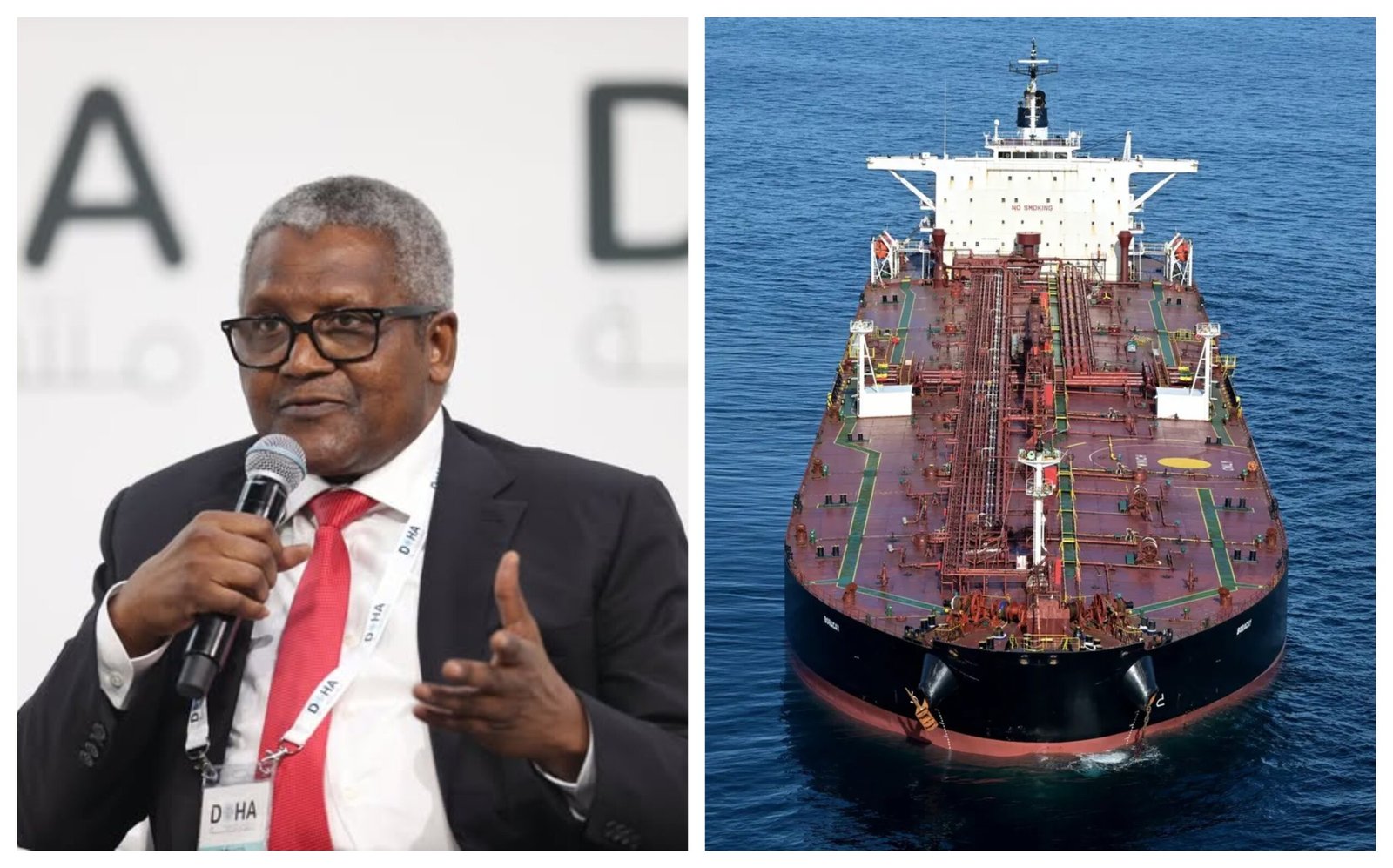
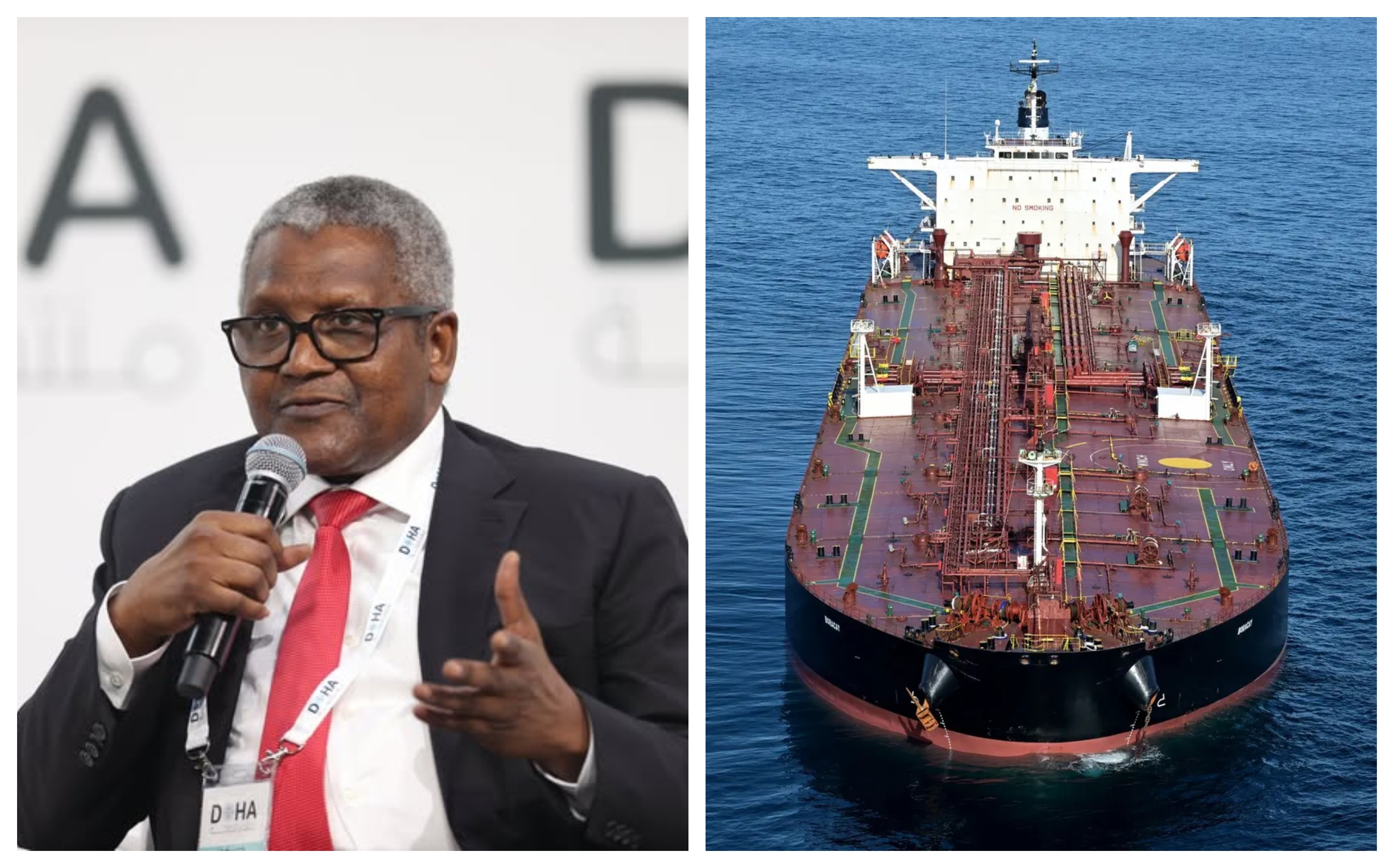
Dangote Group is turning to China, the world’s No. 1 shipbuilding country, as the expansion of Africa’s largest refinery and its wider industrial operations drives plans to increase annual vessel movements from about 300 to nearly 1,800.
- Dangote Group plans to significantly increase its annual cargo vessel movements from 300 to nearly 1,800 due to expansion in its refinery and industrial operations.
- The group is turning to China, the world’s leading shipbuilder, to acquire new vessels for its maritime expansion.
- Dangote’s flagship refinery in Lagos aims to double its capacity to 1.4 million barrels per day by 2029, as part of a $14.3 billion expansion.
- The group’s industrial growth will require more shipping of refined products, fertilizer, cement, and other goods across Africa and internationally.
The Dangote Group is preparing for a sharp increase in the number of cargo movements it handles annually, with shipments expected to rise from about 300 to as many as 1,800, according to Group Vice President for Oil and Gas, Devakumar Edwin.
Edwin disclosed the scale of the expected increase at the Nigeria Chamber of Shipping’s 2026 Members’ Evening in Lagos, where he called for more financing to help develop Nigeria’s indigenous shipping industry BusinessDay reports.
The additional cargo will come from Dangote’s expanding cement, sugar, flour, refining, fertiliser and petrochemical businesses.
DON’T MISS THIS: Africa’s richest man plans to buy ships after struggling to move cement from Nigeria to Ghana
The group’s push for new vessels comes as its flagship refinery in Lagos enters a new phase of expansion, potentially transforming Dangote from one of Africa’s biggest industrial producers into an even larger player in global maritime trade.
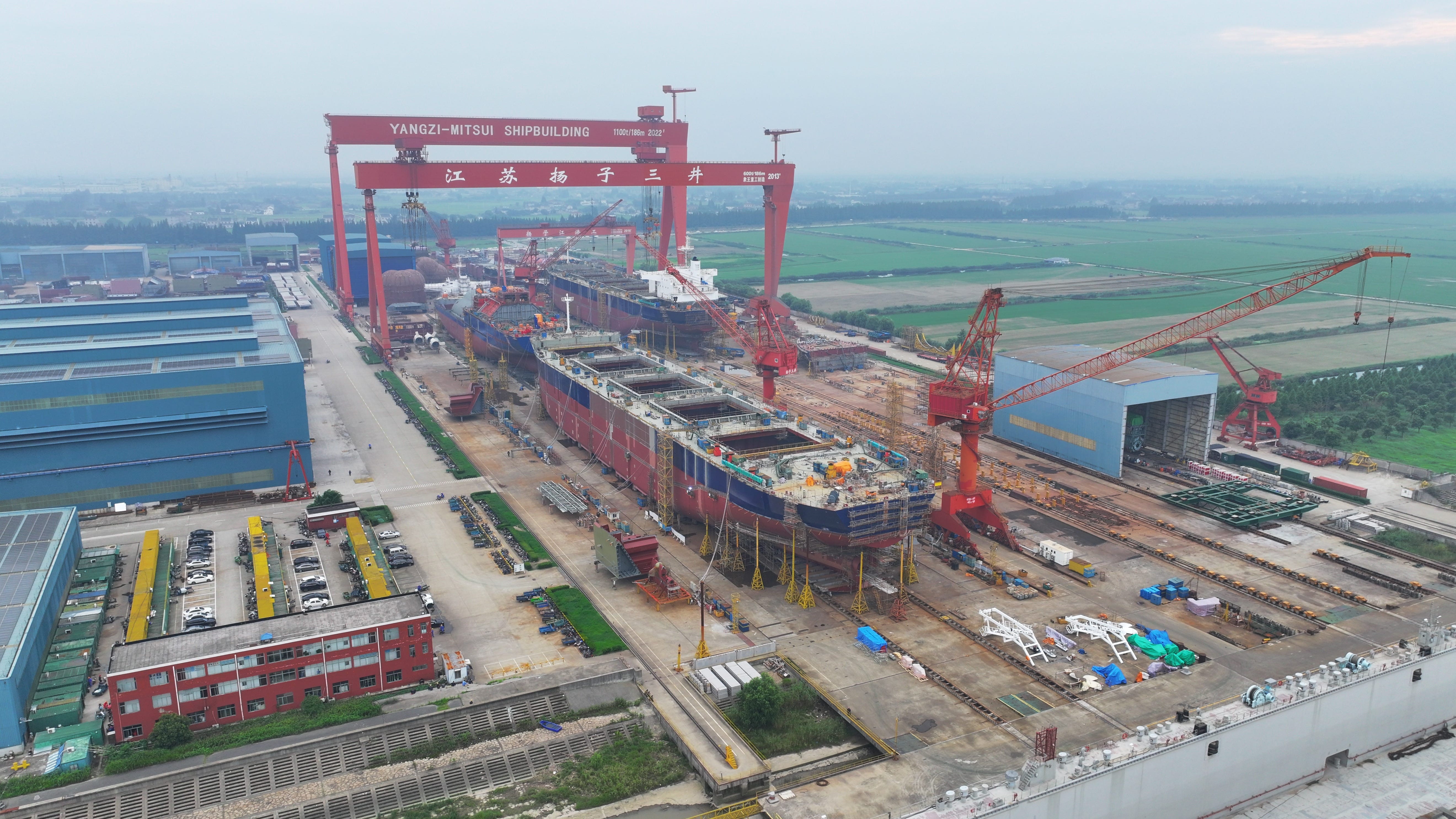
China’s position as the world’s leading shipbuilder makes it a natural destination for Dangote as the group prepares to expand its maritime capacity.
UNCTAD data shows Chinese shipyards accounted for 54.6% of global shipbuilding output in 2024, more than South Korea and Japan combined. China also held nearly two-thirds of the global shipbuilding orderbook at the start of 2025
Dangote’s shipping needs are about to get bigger
Dangote’s refinery currently has a capacity of 700,000 barrels per day, but the company plans to double this to 1.4 million barrels per day by 2029 as part of a $14.3 billion expansion programme.
The expansion will also increase its petrochemical output and strengthen its ability to supply refined products to markets across Africa and beyond.
The group’s growing export and distribution network means more crude, refined petroleum products, fertiliser, cement and other industrial goods will need to be moved by sea.
Edwin said the group is therefore exploring new vessels, including ships that could be built in China, as it prepares for the expected increase in cargo volumes.
Business Insider Africa earlier reported that Dangote Industries is considering acquiring vessels to move products from Nigeria to West and Central Africa, after struggling to secure shipping capacity for a 1,000-metric-tonne shipment to Ghana.
Road transport is also costly, with taxes in countries such as Benin and Togo raising the cost of Nigerian exports.
DON’T MISS THIS: It costs more to ship from Lagos port to Accra than from Spain to Lagos – Dangote
The move also highlights a gap in Nigeria’s maritime industry. While Dangote can generate the cargo needed to support a large fleet, Nigerian shipowners often lack the vessels and financing required to capture the business.
“Without assured cargo and supporting infrastructure, new vessel owners struggle and businesses fail, even when finance is available,” Edwin said, calling for lenders to support the wider shipping ecosystem, including vessel management, insurance, regulatory approvals and long-term charter agreements.
For Dangote, building or acquiring a larger fleet would give the group greater control over the movement of its products as its Nigerian and wider African operations expand.
The strategy also comes as the group prepares to raise about $1.63 billion through the planned IPO of its refinery, with proceeds supporting its wider expansion plans.