





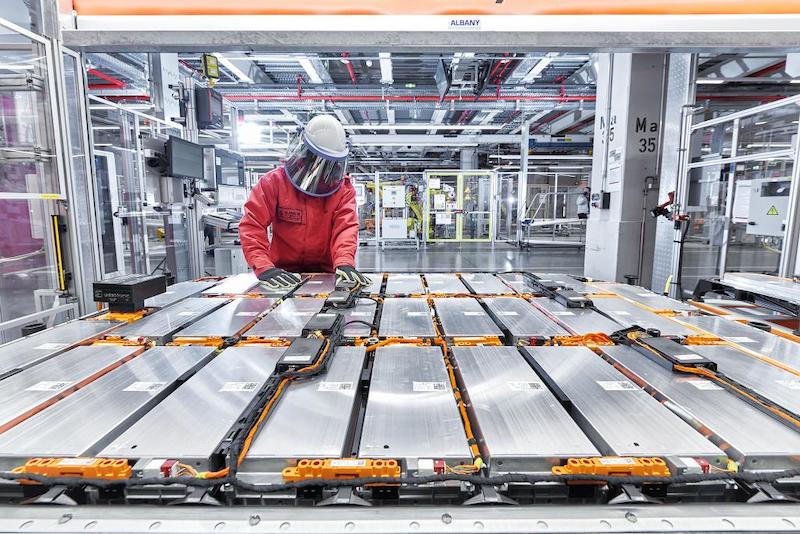
Morocco, Africa’s most industrialised economy, is set to host a key battery-material plant serving Europe’s growing electric-vehicle industry as part of a $3.7 billion battery supply-chain investment spanning North Africa and Europe.
- Volkswagen, PowerCo, and Gotion High-Tech will invest €3.22 billion to build a battery-materials facility in Kenitra, Morocco.
- The facility will produce up to 100,000 tonnes of LFP cathode material annually, supplying European battery plants in Spain and Slovakia.
- Gotion will hold a 51% stake and PowerCo 49%, focusing on supplying cathode materials for electric vehicle battery cells.
- The collaboration positions Morocco as a critical upstream supplier in the European EV value chain.
Morocco is taking another step up the clean-energy and automotive value chain after Volkswagen Group, its battery subsidiary PowerCo and Chinese battery maker Gotion High-Tech agreed to develop a battery-materials facility in Kenitra as part of a €3.22 billion ($3.7 billion) investment programme spanning Morocco, Spain and Slovakia.
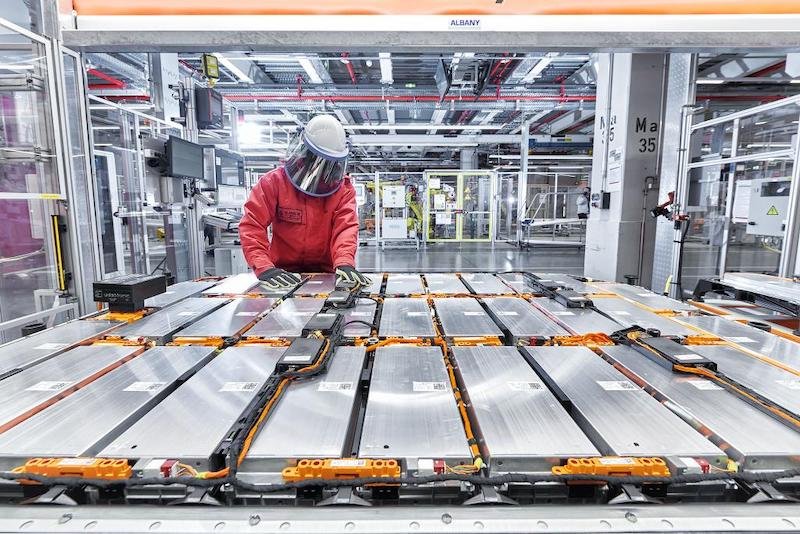
The deal puts Morocco upstream in a European electric-vehicle supply chain, with its planned facility producing a critical component for lithium-iron-phosphate (LFP) batteries that will be manufactured at the partners’ European plants.
DON’T MISS THIS: Chinese battery giant wins AfDB backing for Africa’s first gigafactory in Morocco
The Kenitra joint venture is expected to receive about €480 million ($530 million) in investment and produce up to 100,000 tonnes of LFP cathode material annually.
Gotion will hold 51%, while PowerCo will own 49%, with the output intended primarily to supply the partners’ battery-cell operations in Spain and Slovakia.
Morocco’s role in the battery chain
The two European facilities are planned to have combined annual capacity of 37.5 GWh. The Valencia plant in Spain will account for 29.1 GWh, while the Slovakian facility at Šurany will produce 8.4 GWh.
This creates a cross-Mediterranean chain: Morocco produces cathode material, Spain and Slovakia produce battery cells, and Volkswagen’s European vehicle operations provide a major downstream market.
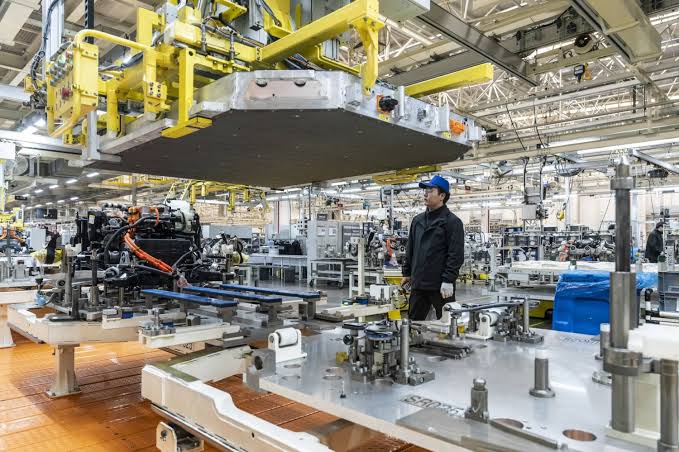
The development adds an industrial dimension to Morocco’s long-running renewable-energy strategy. The country is widely recognised as a regional leader in clean-energy deployment, with the Noor Ouarzazate complex having been one of the world’s largest concentrated solar-power facilities.
DON’T MISS THIS: Morocco to host Africa’s first battery gigafactory with $5.6 billion Chinese investment
That combination of renewable-energy ambitions, proximity to Europe and an established automotive manufacturing base has helped Morocco position itself as a bridge between African production and European industrial markets.
A strategic shift for Europe’s batteries
Volkswagen says LFP batteries are expected to become increasingly important in Europe, with their share of the European battery market projected to rise from about 10% currently to 40–60% by 2030. Europe currently has limited relevant LFP production capacity.
The partnership therefore goes beyond a single Moroccan factory. Volkswagen and Gotion are attempting to build a more regionalised European battery supply chain, while using Morocco to diversify the supply of key cathode materials.
DON’T MISS THIS: Another Chinese company is set to establish a manufacturing hub in Africa’s most industrialized country, this time for $298 million
The partnership also deepens an existing relationship between the German automaker and Chinese battery producer. Volkswagen has worked with Gotion since 2020 and remains a significant shareholder, although it has agreed to sell a 5.3% stake in the Chinese company.
For Morocco, the significance is that its role in the European automotive economy is moving further upstream — from vehicle and component manufacturing towards the materials needed to power the next generation of electric vehicles.