





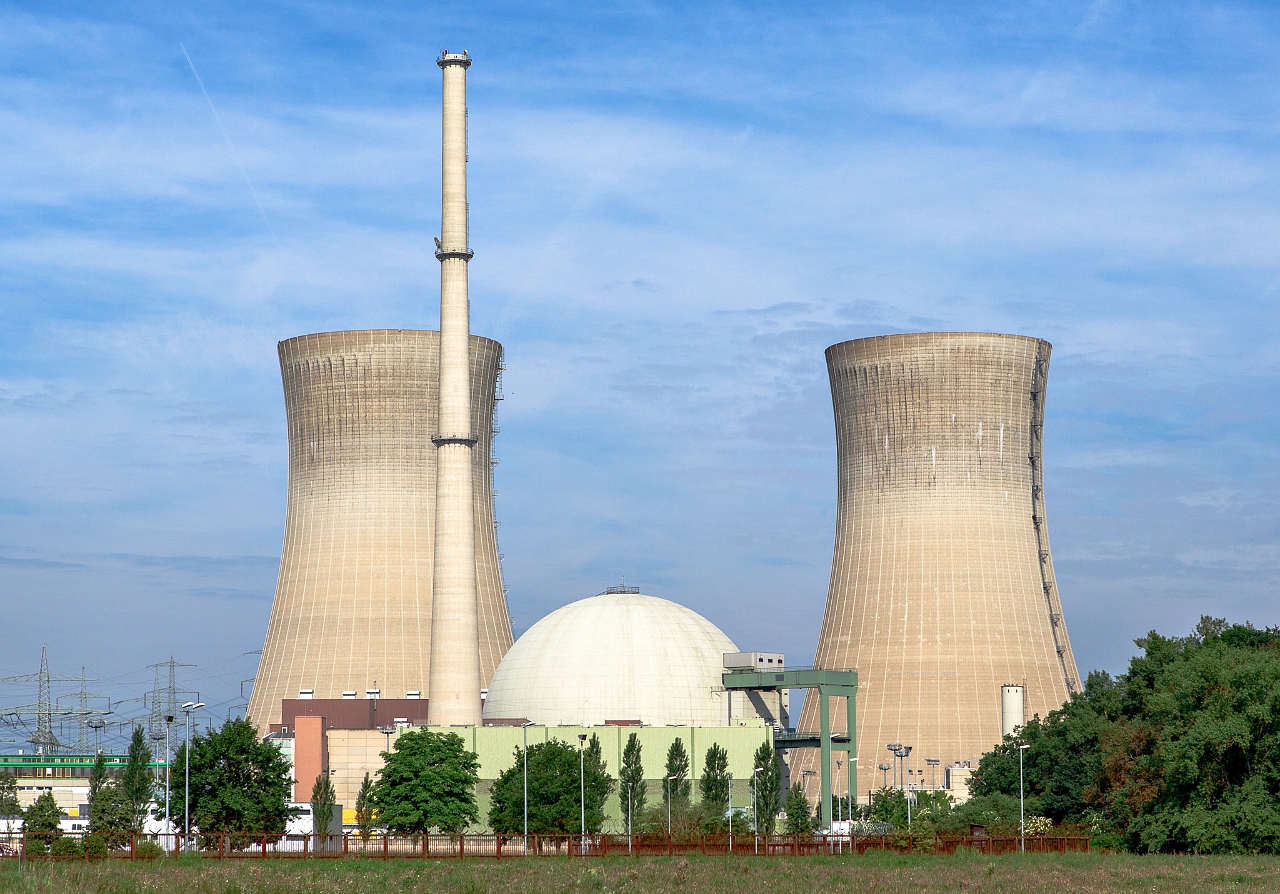
Ghana is stepping up efforts to build its first nuclear power plant, turning to the United States for technical expertise, financing and investment support as it moves closer to joining Africa’s emerging nuclear energy market.
- Ghana is intensifying its efforts to build its first nuclear power plant, seeking technical expertise and financial backing from the United States.
- A high-level Ghanaian delegation recently held strategic meetings in the US with government agencies, nuclear institutes, and technology firms to explore partnerships.
- Ghana aims to allocate $200 million for a two-year nuclear readiness programme starting in 2027, laying the groundwork for a state-owned nuclear facility.
- Russia has also pledged to support Ghana’s ambition, partnering to develop a 2,000-megawatt nuclear power plant and strengthen industrial capacity.
A high-level Ghanaian government delegation recently completed a five-day working visit to the US, seeking strategic partnerships to advance the country’s nuclear power programme.
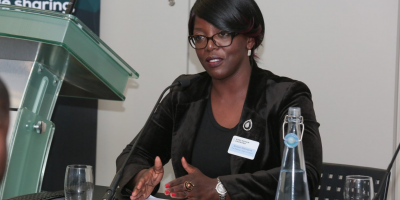
Led by Deputy Energy Minister Richard Gyan-Mensah on behalf of Energy and Green Transition Minister John Abdulai Jinapor, the delegation held discussions with US government agencies, the Nuclear Energy Institute, George Mason University and major nuclear technology companies.
The meetings focused on nuclear reactor technology, project financing, investment guarantees, regulatory capacity, nuclear security and training local engineers and technical professionals.
Ghana targets $200 million for nuclear power programme
The diplomatic push comes as Ghana prepares to commit $200 million to a 24-month nuclear-readiness programme beginning in January 2027, as outlined in its 2027 budget, according to GhanaWeb.
The funding is expected to support preparations for the country’s first fully state-owned nuclear power plant, with the government seeking to establish the regulatory institutions, technical expertise and investment framework required to deliver the project.
Ghana sees nuclear energy as a way to diversify its electricity mix, improve long-term energy security and provide reliable power for industries as electricity demand increases.
Russia backs Ghana’s nuclear power ambitions
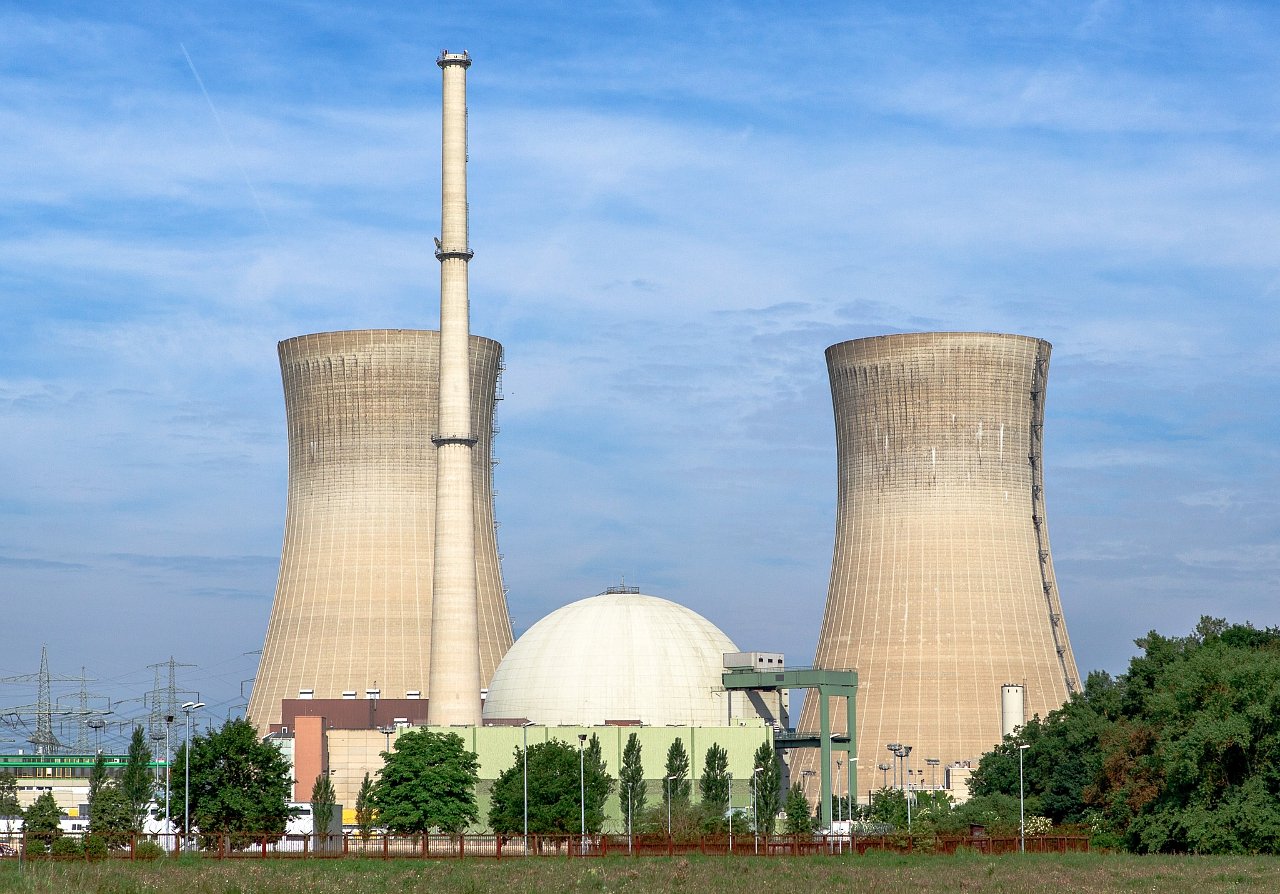
The United States is not the only major power engaging Ghana over its nuclear ambitions. Russia has also agreed to support the West African country’s plans to develop a 2,000-megawatt nuclear power plant, deepening energy cooperation between the two countries.
The proposed facility is expected to strengthen electricity supply and provide additional capacity for Ghana’s industrialisation drive.
Ghana is among a growing number of African countries exploring nuclear power as governments seek alternatives to traditional energy sources and more dependable electricity for economic expansion.
The country hopes to begin construction of its first nuclear power plant in 2027, although significant work on financing, technology selection, regulatory readiness and project development remains ahead.