





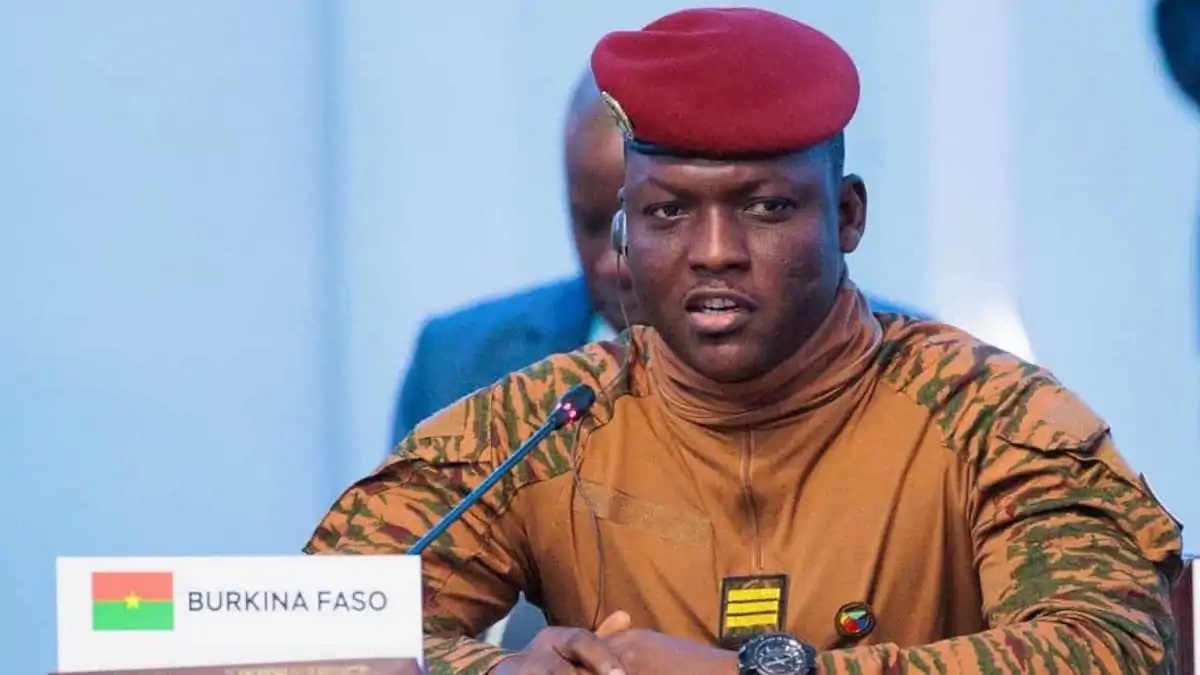
Burkina Faso is producing more gold, attracting foreign investor interest and tightening government control over its mining industry as the military-led government looks to get more value from one of the country’s biggest sources of wealth.
- Burkina Faso increased its gold production by nearly 50% from 2024 to 2025, reaching 90.8 tonnes.
- Artisanal gold mining surged, contributing significantly to this growth, and the number of industrial mines also rose from 13 to 15.
- Gold sector revenues jumped 66.3% in 2025 to almost $1.7 billion, drawing foreign investment interest, notably from Saudi Arabia.
- The government tightened control, channeling more gold through official avenues, and created cooperatives and mining corridors to formalize artisanal mining.
The West African country increased its national gold production from 60.77 tonnes in 2024 to 90.80 tonnes in 2025, a jump of nearly 50%, according to data from the Ministry of Mines published in a recent report, as seen on Sputnik.
DON’T MISS THIS: The story and data of Burkina Faso’s push to take 40% of a highly successful new gold mine
Much of the increase came from artisanal mining, where production surged by 448%, from 7.13 tonnes to 39.11 tonnes.
The number of industrial mining operations also increased, rising from 13 to 15 over the same period.
The growth translated into higher earnings for the sector, with revenue climbing 66.3% to nearly $1.7 billion in 2025, compared with about $1 billion a year earlier, representing a jump of around 1.5 times, data from the report, as highlighted by Sputnik, revealed.
Foreign interest in gold production in Burkina Faso
Gold’s growing importance to Burkina Faso’s economy is also drawing attention from foreign investors, including Saudi Arabia.
In September 2026, reports emerged that Saudi investment company Sarmady Co. was exploring opportunities in Burkina Faso’s gold industry following a meeting between its head, Nouf Ali Alsalaten Al Qhatani, and Burkina Faso’s ambassador to Saudi Arabia, Boukary Savadogo, in Riyadh on August 30.
According to local media outlet Faso Actu, the discussions centred on possible investments and partnerships in the country’s gold sector.
Sarmady’s representatives were also introduced to opportunities in the Burkinabe market and potential partnerships with local businesses.
But the government is not just looking to attract more money into mining; it also wants a greater share of the business to pass through official channels.
The push to bring more gold under Burkina Faso’s control
The strategy appears to be gaining momentum in 2026.
During the first six months of the year, more than $6 billion worth of gold passed through official production and procurement channels, according to figures presented during the mid-year evaluation of Energy, Mines and Quarries Minister Yacouba Zabré Gouba’s performance contract.
Industrial mines produced 26 tonnes of fine gold during the period, while the National Precious Substances Company (SONASP) purchased approximately 29 tonnes from artisanal and semi-mechanised miners.
The state-owned company’s purchases were already approaching two-thirds of its 45-tonne target for the full year.
Together, the two sources accounted for more than 55 tonnes of gold moving through the country’s official system in just six months.
The government is also changing how artisanal mining operates.
Under reforms introduced through the country’s new Mining Code, authorities have established nine artisanal mining cooperatives across different regions and identified four mining corridors to help small-scale miners operate alongside industrial companies.
Officials have also stepped up controls over gold production, including its pouring, weighing, and packaging, while intensifying efforts to dismantle illegal trading networks.
These measures form part of a broader effort by the military government to have a greater say in how the country’s mineral resources are extracted, traded and monetised.
From gold production to local processing
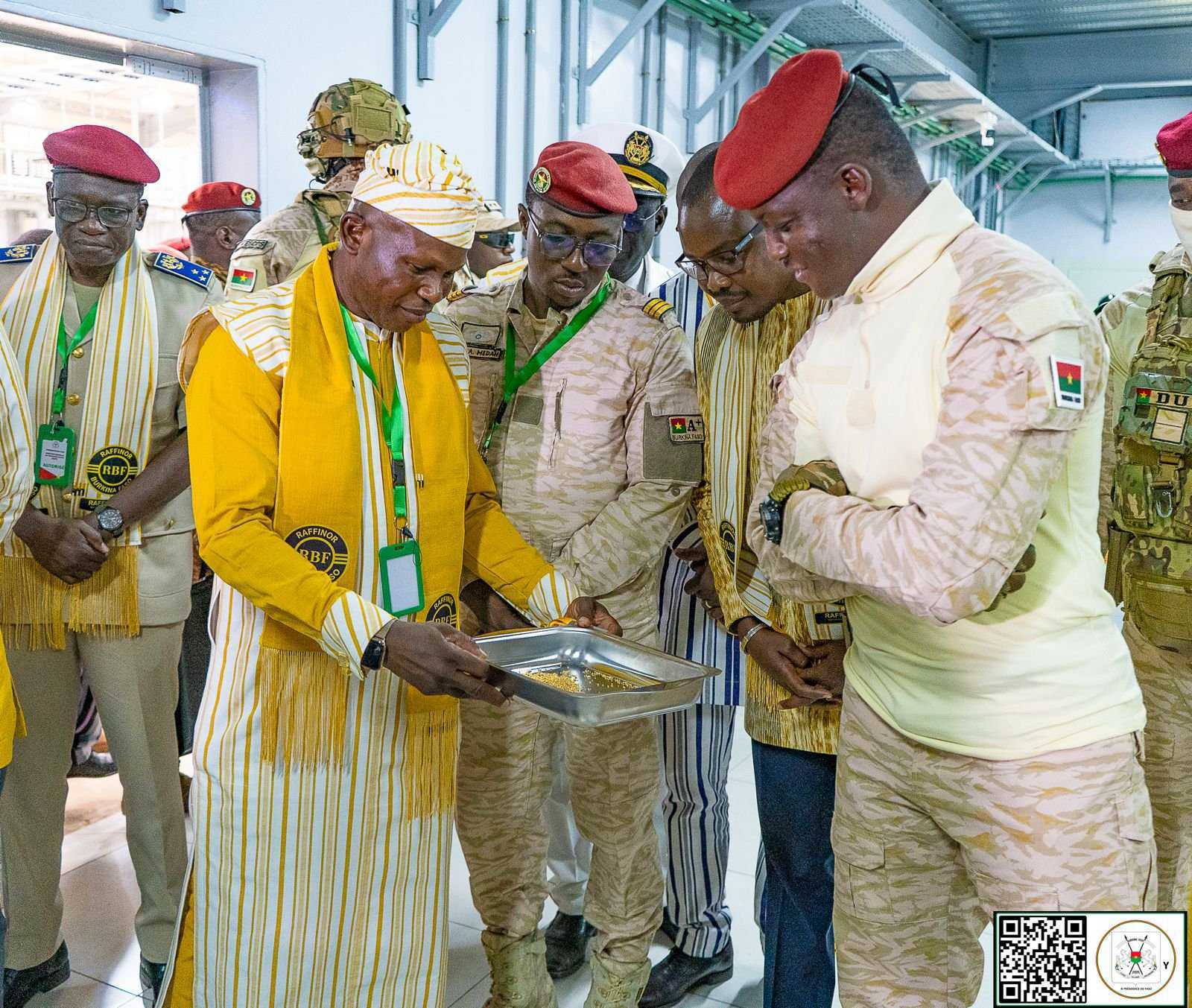
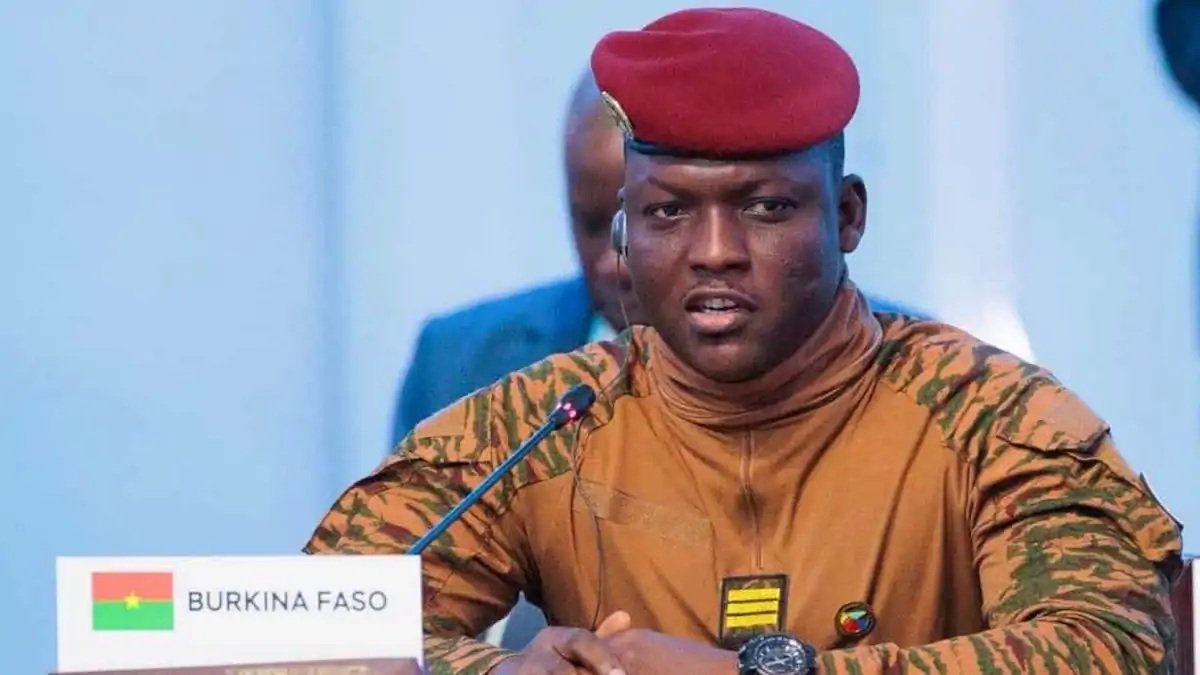
In September 2026, President Ibrahim Traoré, in a milestone event, inaugurated the Raffinerie Nationale d’Or du Burkina Faso in Ouagadougou, the country’s first gold refinery.
Constructed at an estimated cost of 11 billion CFA francs ($19 million), the state-backed refining facility will possess an initial annual processing capacity of 164 tonnes of gold.
A subsequent development phase is projected to expand this capacity to 515 tonnes per annum.
The establishment will encompass refining, assaying, certification, and secure storage operations, thereby enabling functions previously conducted abroad to be executed domestically within Burkina Faso.
Government projections indicate that the refinery will generate approximately 100 direct employment opportunities and in excess of 5,000 indirect positions.
“Our ambition goes beyond gold,” Traoré said at the inauguration.
“We want to make the mining sector a driver of industrial transformation,” the Burkina Faso head of state added.