






Egypt and Israel have rejected Libya’s ratification of a controversial maritime agreement with Turkey, intensifying a dispute over potentially lucrative offshore oil and natural gas resources in the eastern Mediterranean.
- Egypt and Israel have rejected Libya’s ratification of a maritime agreement with Turkey, escalating tensions over energy resources in the eastern Mediterranean.
- Libya’s eastern parliament, backed by Russia, reversed its previous stance and approved the 2019 agreement originally struck by its western rivals with Turkey.
- The dispute centers on competing claims to offshore oil and gas resources, with Egypt, Greece, and Cyprus opposing the deal and signing separate agreements.
- The ratification signals a shift in Libyan alliances, strengthens Turkey’s regional position, but maintains uncertainty over energy exploration and cooperation due to ongoing opposition.
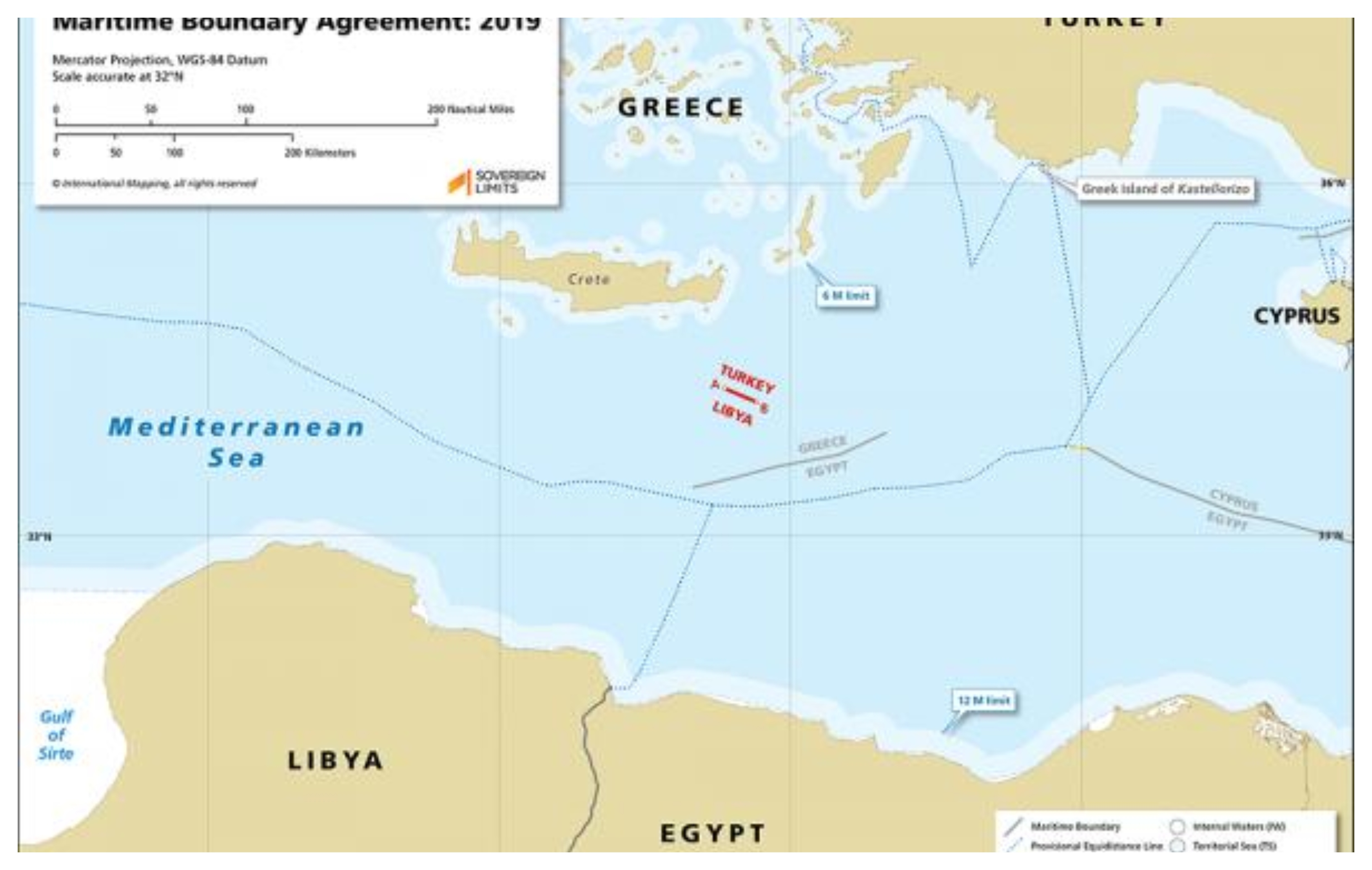
The objections followed an October 20, 2026, decision by Libya’s eastern-based House of Representatives to ratify a maritime agreement originally signed between Turkey and Libya’s internationally recognised government in Tripoli in 2019.
Significantly, the approval marks a shift in regional relations, as eastern Libya, whose military leadership has received Russian backing, reversed its longstanding opposition to an agreement negotiated by its western rivals.
Egypt and Israel reject Turkey-Libya maritime agreement
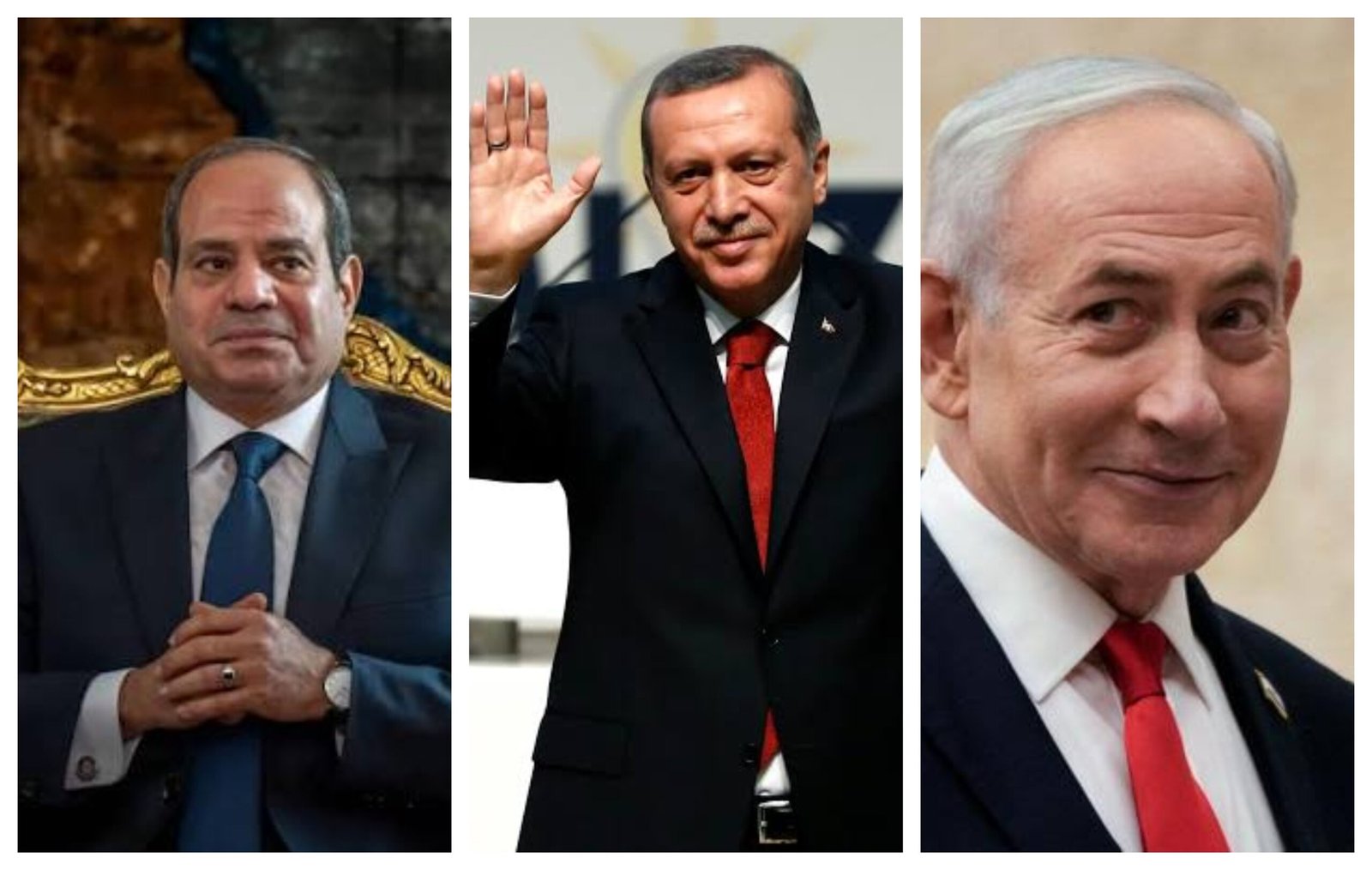
In an October 21 statement, Israel’s Foreign Ministry condemned the ratification, accusing Turkey of threatening the maritime rights of regional allies.
“Israel strongly condemns the decision of the Libyan House of Representatives to ratify the Maritime Jurisdiction Memorandum between Turkey and Libya. This agreement infringes upon the sovereign rights of our close allies in the region. Regretfully, once again, we see Turkey working to destabilize the eastern Mediterranean region,” the ministry stated on X.
Egypt’s Foreign Ministry similarly rejected the agreement, declaring it “null and void” and maintaining that the ratification would have no legal effect on Cairo.
The ministry argued that the deal violated international maritime law and infringed on Egypt’s rights within its exclusive economic zone and continental shelf.
Turkey, however, defended the agreement as legitimate, rejecting criticism of its maritime claims.
“This is an entirely legitimate agreement, both from a legal and a political perspective. There is no need to debate it,” Foreign Minister Hakan Fidan said on October 21.
President Recep Tayyip Erdoğan also welcomed the parliamentary decision, describing it as a positive development in relations between Turkey and Libya.
Why the maritime deal matters for oil and gas
The agreement establishes maritime claims over parts of the eastern Mediterranean, potentially giving Turkey and Libya access to offshore oil and natural gas exploration rights.
Commercially viable discoveries could generate revenue through drilling, energy production and investment, although the disputed boundaries remain an obstacle.
Greece and Cyprus also oppose the arrangement, while Egypt signed a separate maritime boundary agreement with Greece in 2020, reflecting competing claims over the region’s waters.
Why Russia-backed eastern Libya reversed its opposition
Turkey initially backed Libya’s Tripoli-based Government of National Accord against eastern military commander Khalifa Haftar, whose forces received support from Russia, Egypt and the United Arab Emirates.
Their opposing alliances during Libya’s conflict prompted the eastern parliament to reject the maritime deal in 2020 and move to sever political ties with Ankara.
However, improving relations between the former rivals led lawmakers to reverse those decisions, repealing the earlier resolutions alongside the October 20 ratification.
The rapprochement could expand cooperation in energy exploration, maritime security and trade, strengthening Turkey’s influence across Libya’s divided political landscape.
Libyan lawmaker Tarek al-Jeroushi said the agreement would strengthen the country’s political, military and economic partnerships with major powers.
“Some countries may be upset by this agreement, but what matters to us is our national interest,” he told Reuters.