






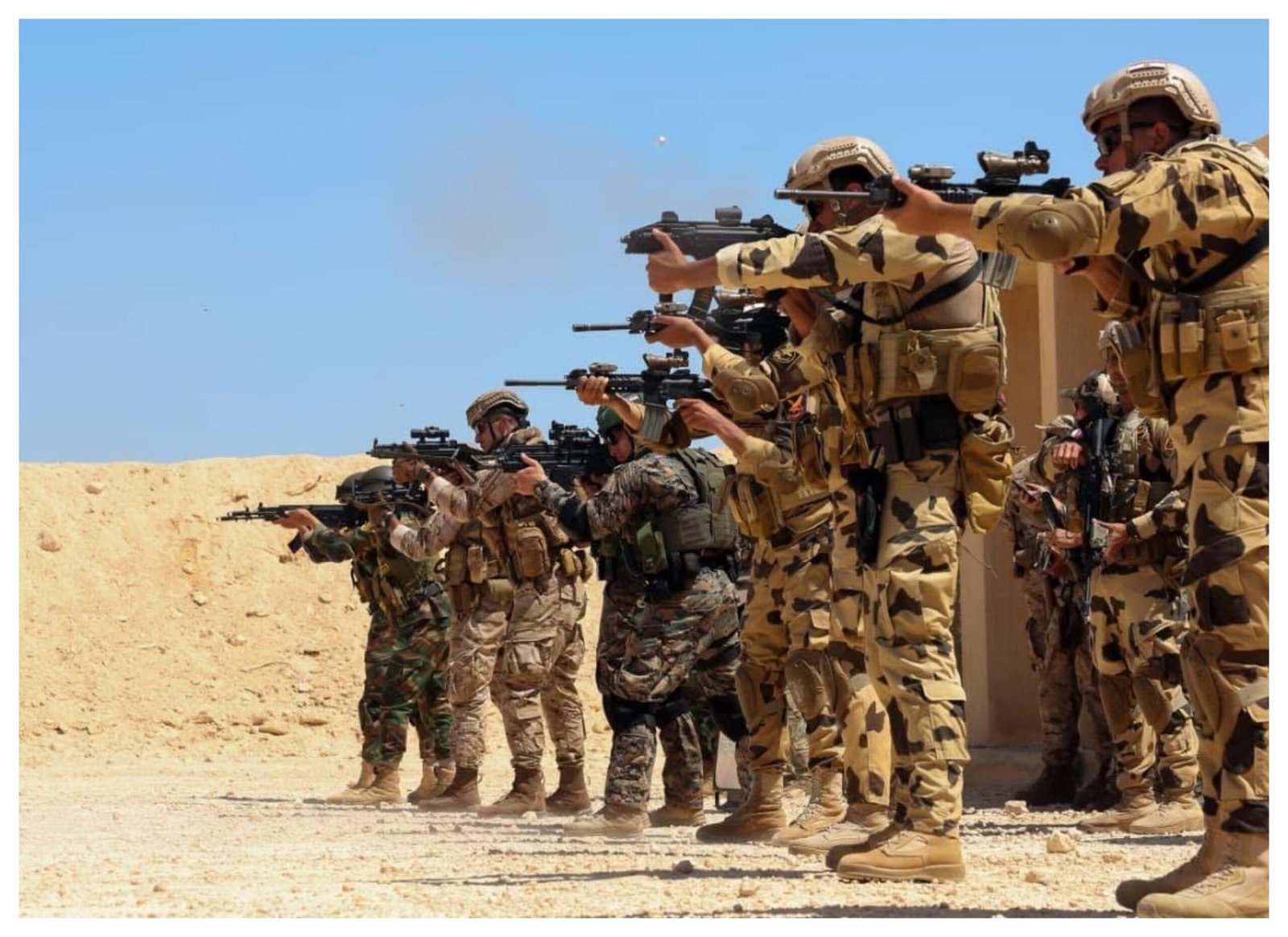
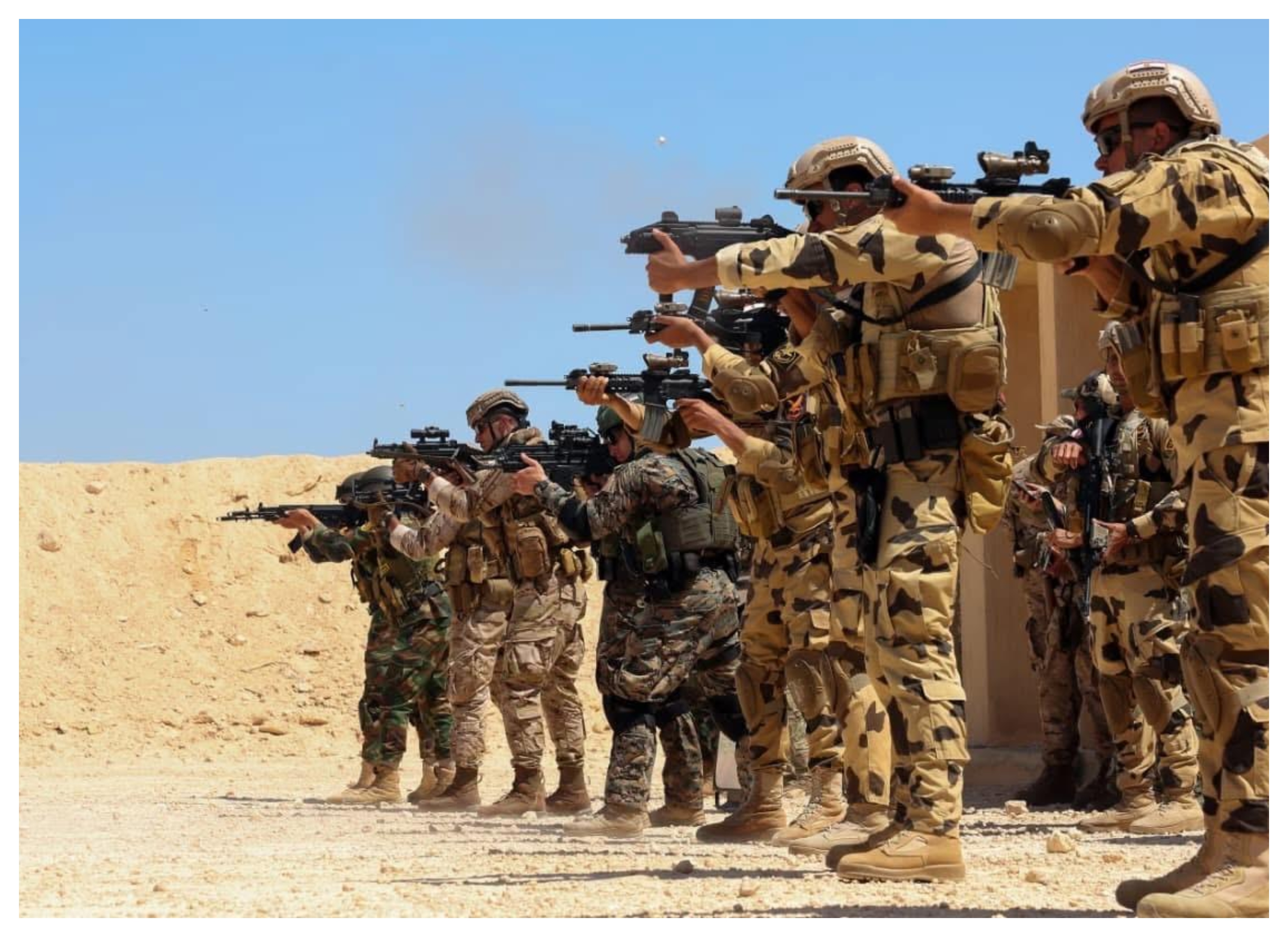
Egypt, boasting Africa’s strongest military, recently admitted to deploying its troops to Saudi Arabia for a few months, with plans to double down on the defense partnership.
- Egypt confirmed its military deployment to Saudi Arabia for several months, aiming to strengthen defense cooperation.
- The deployment is intended to help Saudi Arabia protect itself from terror attacks by Yemen’s Houthi movement, not to join offensive operations.
- The Egyptian Parliament authorized the president to extend defensive support, but some lawmakers expressed concerns about the lack of details on the number and role of deployed troops.
- Recent attacks against Saudi infrastructure and cities—including damage to Aramco’s headquarters and casualties at Riyadh’s airport—have reignited security fears despite a previous UN-backed truce in Yemen.
This information was relayed by Badr Abdelatty, the foreign minister of the North African country, who noted that the military deployment is intended to help Saudi Arabia ward off terror attacks from Yemen’s Houthi movement.
During an interview broadcast by France 24 on Monday, Foreign Minister Badr Abdelatty disclosed that Egyptian military personnel had been stationed in Saudi Arabia several weeks prior, a deployment that had not previously been made public.
DON’T MISS THIS: Egypt joins $2.27 billion US weapons deal with UAE and Kuwait as Washington approves thousands of missiles
This disclosure comes two weeks after the Egyptian Parliament officially authorized President Abdel Fattah el-Sisi to extend defensive support to Saudi Arabia.
“We already have a military presence there, at the request of our brothers and sisters in the Kingdom of Saudi Arabia… and we are working to bolster that,” Abdelatty said.
The minister noted that the military deployment commenced several months prior, in response to attacks against Saudi Arabia amidst elevated regional tensions involving Iran, as reported by the Middle East Monitor.
“Our presence there began a few months ago, following attacks and acts of aggression against the Kingdom of Saudi Arabia during a period of escalation with Iran,” the minister added.
Disparity on Egypt sending its military to Saudi Arabia
As mentioned earlier, Egypt’s parliament approved President Abdel Fattah el-Sisi’s request last month to send military support to Saudi Arabia following attacks by Yemen’s Houthi rebels.
However, questions about the deployment have been raised, particularly whether Egyptian troops were already in Saudi Arabia before parliament approved the move.
Some Egyptian lawmakers told Agence France-Presse (AFP) that they were not told how many soldiers would be sent or what exactly they would be doing in the kingdom.
According to the country’s Foreign Minister, Egypt’s military personnel were not sent to Saudi Arabia to participate in the fight against the Houthis directly.
Instead, the troops were instructed to help Saudi Arabia defend its airspace and protect important locations, including Mecca and Medina.
The minister also dismissed comments from Mohammed Ali al-Houthi, a senior member of the rebel group’s political leadership, who had called Egypt’s support for Saudi Arabia a “declaration of war.”
The minister said Cairo had no plans to join an offensive against the Houthis, just to simply help Saudi Arabia protect itself from further attacks.
Fresh attacks raise security concerns for Saudi Arabia’s oil heartland and key infrastructure
Earlier this month, Saudi Civil Defence issued security warnings across parts of the Eastern Province, including Dhahran, home to the headquarters of state oil giant Aramco.
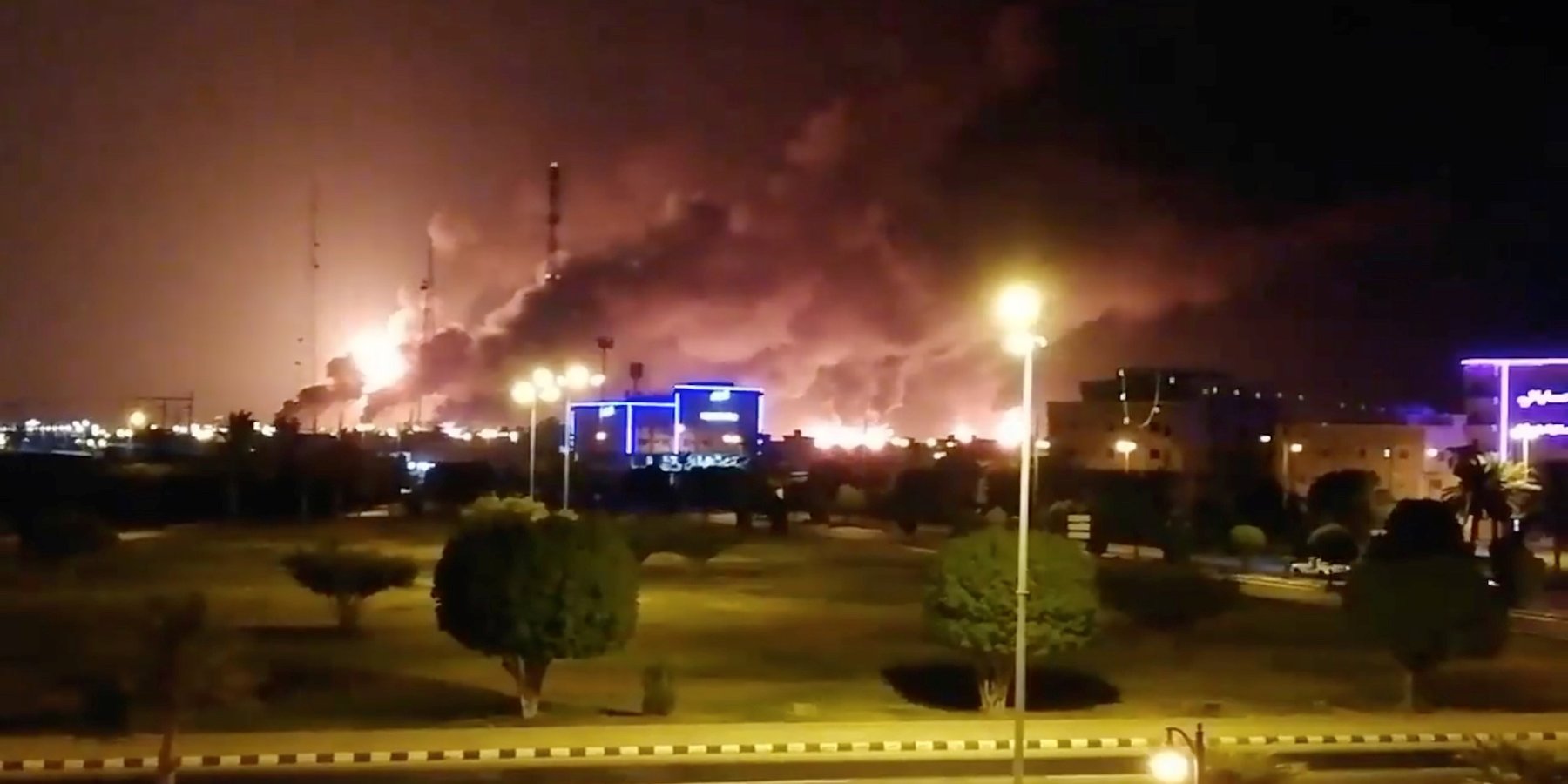
The alerts were later withdrawn.
The Eastern Province is central to Saudi Arabia’s oil and gas industry, holding much of the kingdom’s reserves.
Aramco’s Dhahran headquarters had also been badly damaged in another attack in October.
In a separate incident, Saudi-led coalition forces said they had intercepted a ballistic missile heading towards the kingdom’s south, close to the border with Yemen.
The latest incidents come after an October 10 attack on Riyadh’s King Khalid International Airport, which Saudi authorities said left 13 people dead and more than 300 injured.
The attacks have raised fresh concerns about the security situation in the kingdom, which had enjoyed relative calm since a UN-backed truce in Yemen took effect in 2022.
Saudi Arabia joined Yemen’s civil war in 2015, leading a military coalition to support the internationally recognised government against the Houthis, who had taken control of the capital, Sanaa.
The conflict has since triggered a major humanitarian crisis, while repeated missile and drone attacks have threatened Saudi cities and critical infrastructure.