





The Iran war is pushing Asian energy buyers towards West Africa and improving the commercial prospects of delayed gas projects in Tanzania and Mozambique as companies seek alternatives to Middle Eastern supplies.
- The Iran war is pushing Asian energy buyers to seek LNG from West Africa and other regions outside the Middle East.
- The shift could improve the prospects of delayed gas projects in Tanzania and Mozambique as buyers seek safer supply routes.
- Mozambique’s LNG developments are advancing, while Tanzania is still negotiating the framework for its planned export project.
- African producers could gain new buyers and investment as global energy companies prioritise greater geographic and shipping-route diversification.
Thailand’s state-owned oil and gas company PTT is examining supplies from West Africa, Oman and North America after disruption to Gulf exports exposed the risks of relying heavily on a small number of producers.
The search for alternative suppliers follows damage to Qatar’s LNG infrastructure and the effective closure of the Strait of Hormuz, through which a significant portion of the world’s oil and gas exports normally passes.
According to Reuters, the crisis removed about 36 million tonnes of Middle Eastern LNG supply from the market.
However, Shell estimates that additional production elsewhere has reduced the net global supply loss to about five million tonnes, equivalent to between 1 per cent and 1.5 per cent of global supply.
The relatively contained global shortfall masks a broader shift in procurement strategy. Buyers are no longer looking only for additional suppliers; they also want cargoes that can reach their markets without passing through vulnerable shipping routes.
DON’T MISS THIS:Africa becomes the new crossroads of global oil as U.S.–Iran tensions weaken reliance on the Strait of Hormuz
For Africa, that shift could create new demand for LNG from existing West African producers while increasing pressure to complete projects in East Africa.
PTT has not identified the specific West African countries from which it may buy. Nigeria, Angola, Equatorial Guinea, Cameroon and Senegal-Mauritania already have LNG export capacity or producing projects capable of serving international buyers.
Tanzania is also attracting renewed attention as higher prices improve the economics of projects delayed by negotiations between investors and the government.
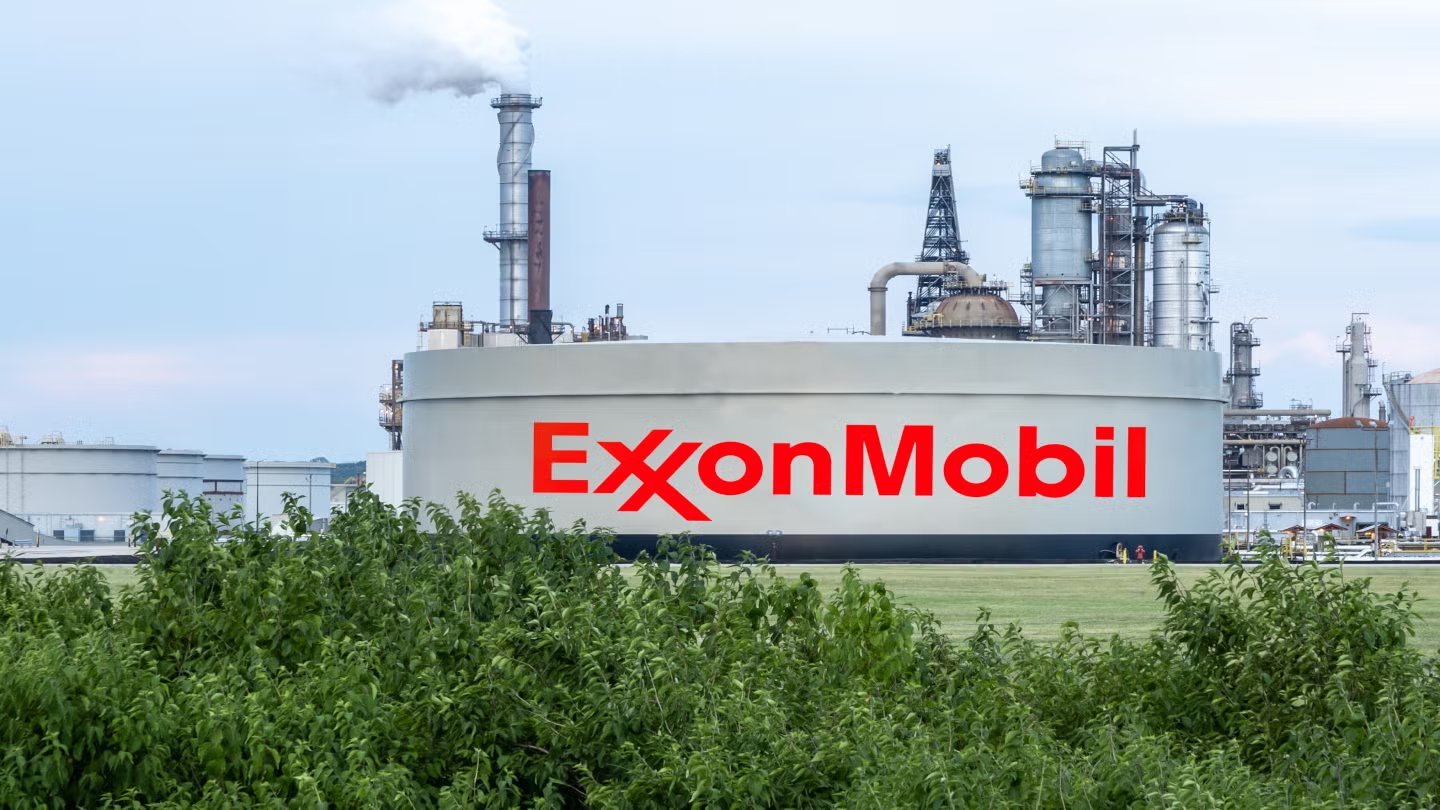
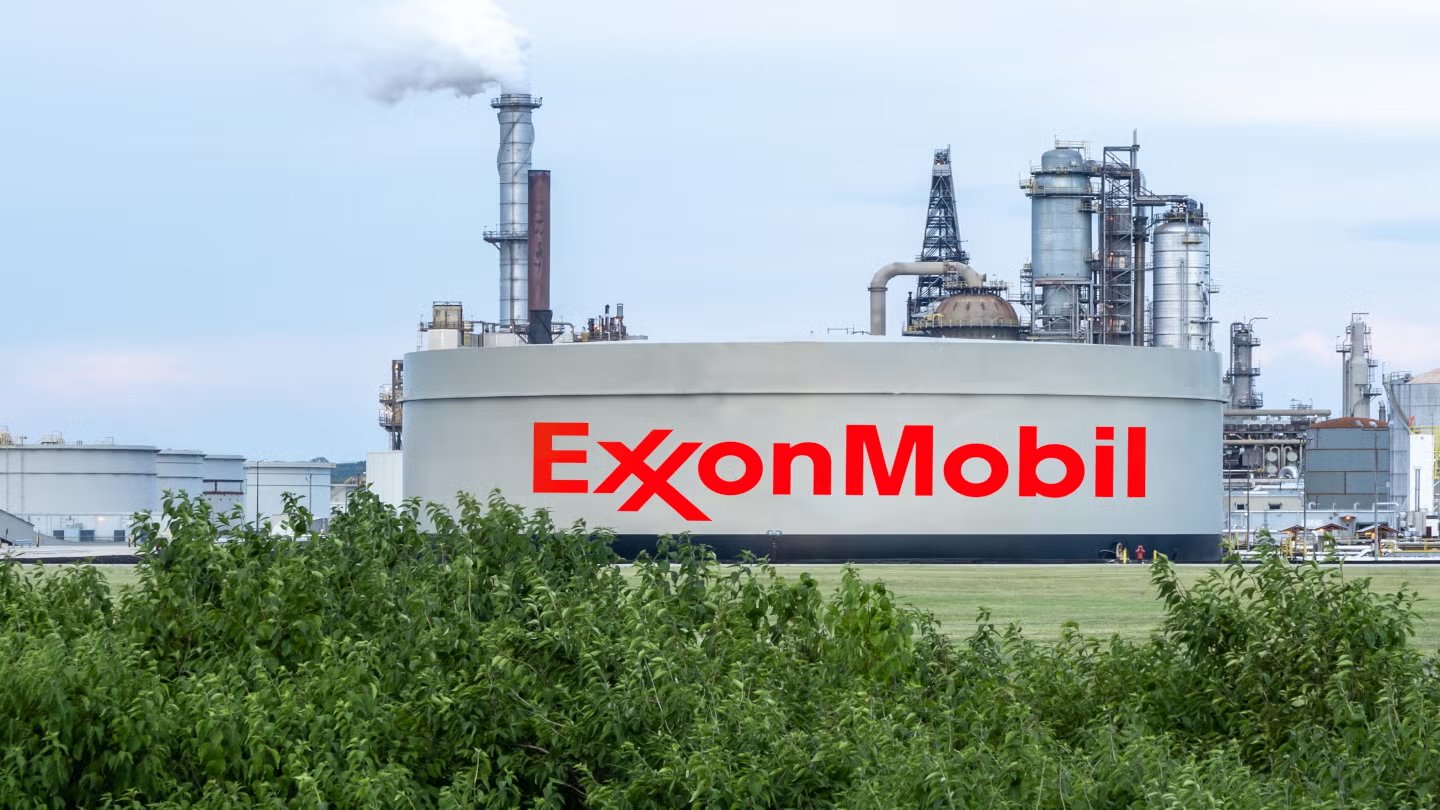
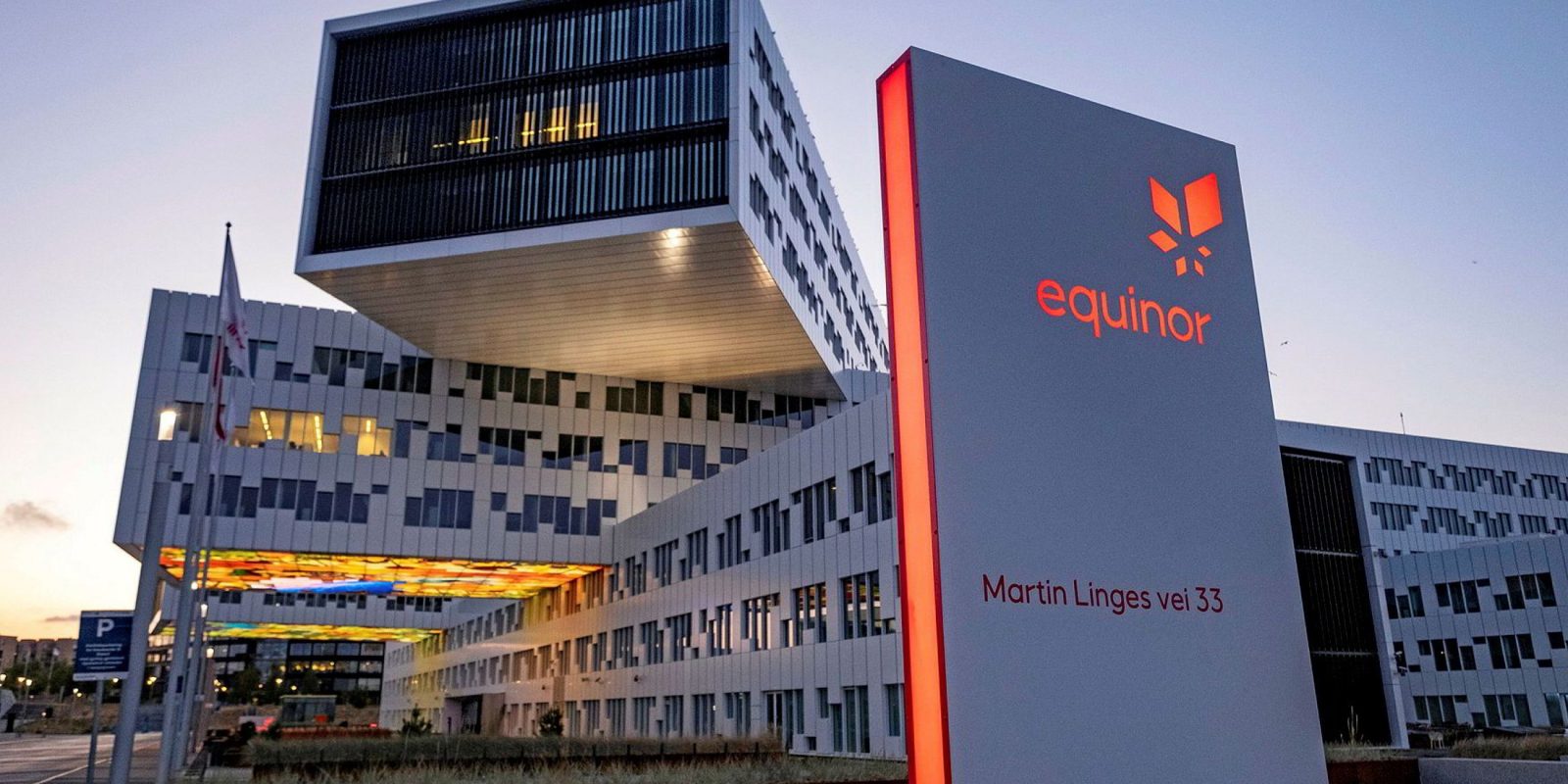
Shell, Equinor and ExxonMobil have discovered large offshore gas reserves in Tanzania and have spent years discussing the regulatory and commercial framework for a proposed LNG development.
DON’T MISS THIS:246 million barrels wiped from global oil inventories as Strait of Hormuz crisis threatens African fuel markets
Equinor said in September that its Tanzanian project remained outside its immediate production forecast because negotiations with the government had not been completed. Tanzania’s government is considering new legislation governing LNG investments before the end of 2026.
TotalEnergies restarted activities on its $20 billion Mozambique LNG project in January. The development is designed to produce approximately 13 million tonnes annually, with the Mozambican government projecting about $35 billion in public revenue over its operating life.
ExxonMobil is separately advancing the 18.6-million-tonne-a-year Rovuma LNG development. The company recently selected contractors for its onshore and offshore facilities, with a final investment decision expected in 2026 and production targeted for 2031.
ExxonMobil and its partners have also awarded more than $1.1 billion in preparatory contracts. The project could eventually expand beyond 40 million tonnes annually, although that larger capacity remains a long-term possibility rather than an approved first phase.
Africa must still compete with the United States, Australia, Canada and emerging producers for long-term contracts and investment. Several African projects also require large initial financing and stable regulatory agreements.
Nevertheless, the Iran war has strengthened Africa’s bargaining position. Asian governments that previously concentrated purchases in Qatar and other Gulf producers are increasingly prepared to pay for geographic and shipping-route diversification.
That creates an opportunity for African countries to secure buyers and investors while energy-security concerns remain high.