





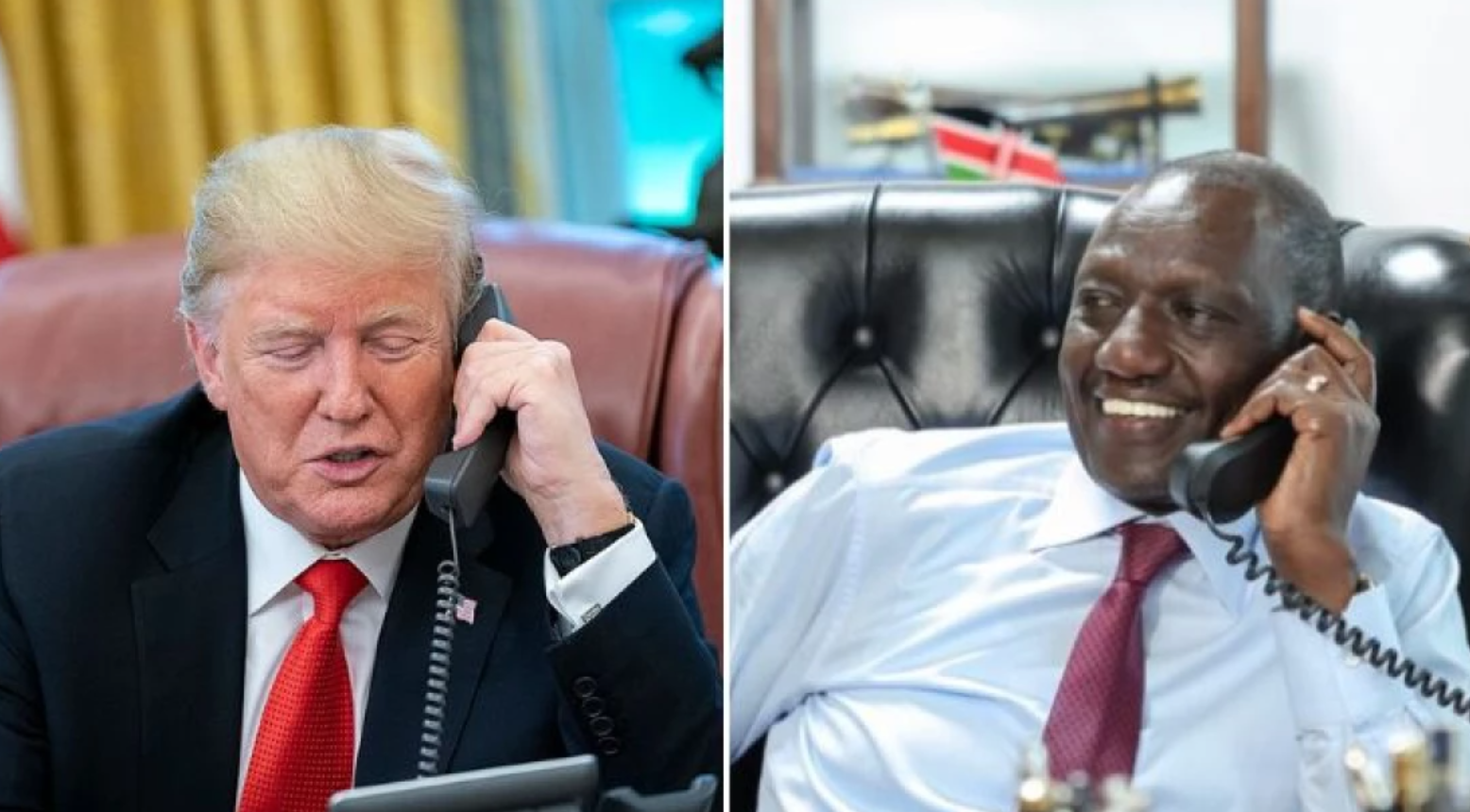
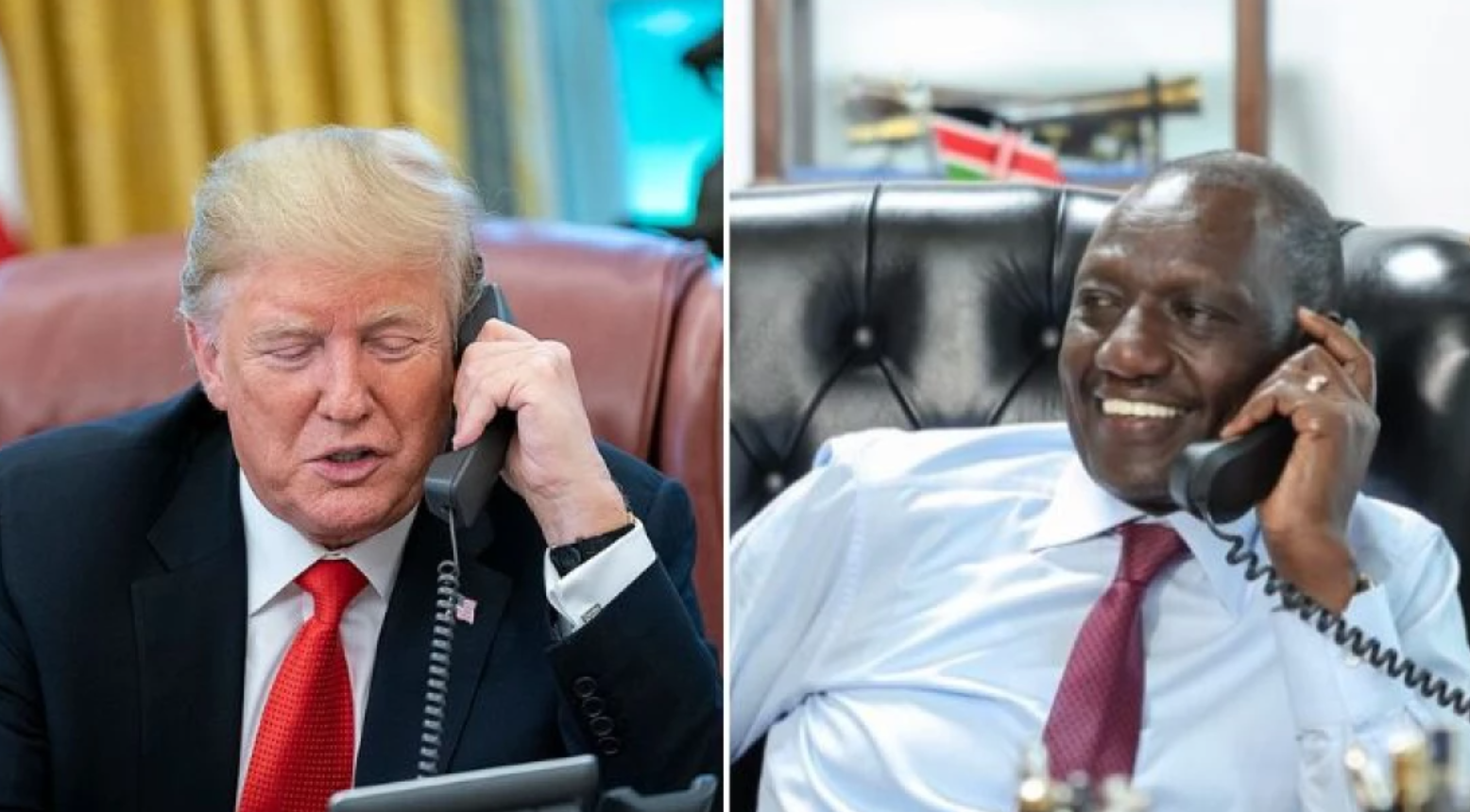
The United States has pledged $13.5 million to Kenya’s Ebola preparedness efforts following talks between U.S. Secretary of State Marco Rubio and President William Ruto, with both leaders agreeing to deepen coordination on outbreak response and regional containment measures.
- The United States pledged $13.5 million to support Kenya’s Ebola preparedness after discussions between Secretary Marco Rubio and President William Ruto.
- The funding is part of a broader U.S. effort, with $112 million already committed to regional containment in East Africa.
- Kenya’s public and medical community have criticized the agreement, questioning why Kenya should assume risks on behalf of wealthier countries.
- Critics argue that the deal prioritizes stopping Ebola from reaching Western countries while placing frontline burdens on African nations.
According to a statement issued by State Department Spokesperson Tommy Pigott, the U.S. government also confirmed that it has already committed $112 million in bilateral assistance to support containment efforts across East Africa.
During the call between both leaders, Rubio and Ruto discussed joint efforts to secure vital medical supplies for Kenya and reinforce the strength and readiness of the country’s health system as part of a broader regional response to the ongoing Ebola outbreak.
DON’T MISS THIS: Trump picks Kenya as proposed Ebola quarantine hub for high-risk and exposed American citizens
Both leaders agreed to maintain close coordination as the situation evolves, with Washington and Nairobi leaning on their established health partnership, which has previously been central to managing public health emergencies in the region.
The United States said its highest priority remains protecting the health and security of its citizens by preventing the Ebola outbreak from reaching American shores.
Kenya faces backlash over Ebola role
The agreement has, however, triggered criticism from sections of Kenya’s medical community and the public, with some questioning why the country should shoulder the risks associated with containing a deadly outbreak that wealthier nations are unwilling to manage directly.
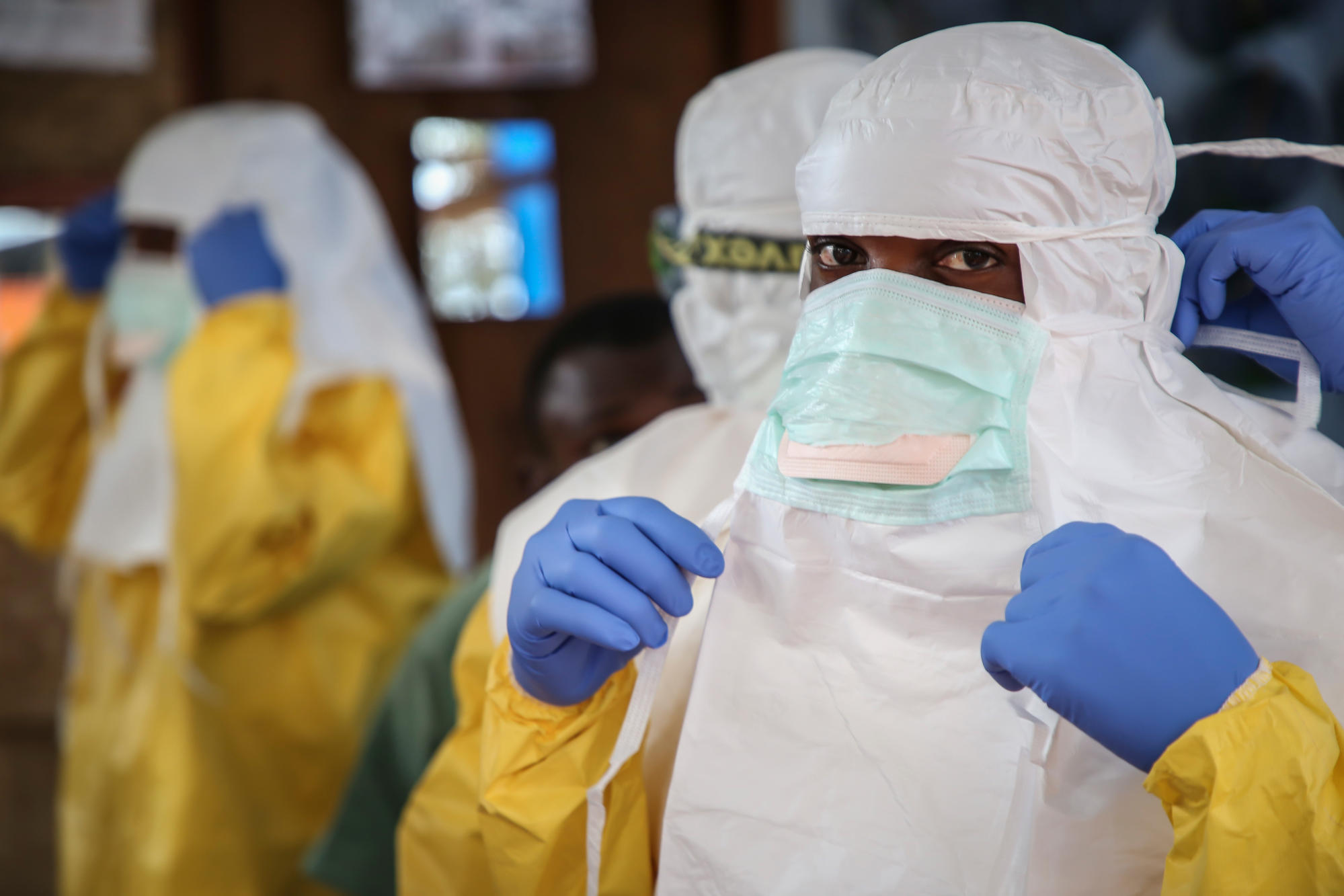
Doctors’ unions and critics argued that the arrangement appears designed primarily to protect Western countries from the spread of Ebola while African nations absorb the frontline health risks.
Some also raised concerns about whether Kenya’s health infrastructure can adequately handle a major Ebola emergency despite the additional funding.
The criticism reflects broader concerns about how African countries are often positioned at the centre of global public health crises, particularly when international funding is tied to containment strategies aimed at preventing diseases from spreading to Europe or the United States.
DON’T MISS THIS: “If it’s too dangerous for America, it’s too dangerous for Kenya” — Doctors’ union rejects U.S. Ebola deal
For Washington, Kenya remains a critical regional partner due to its advanced transport links, relatively developed healthcare system and experience coordinating regional emergency responses.
Health officials generally view early containment near outbreak zones as faster and more cost-effective than responding after international spread occurs.
Rubio and Ruto agreed to maintain close coordination as the situation evolves, building on what both governments described as a longstanding health partnership across East Africa.