






![Saudi Arabia, the Gulf’s strongest military, chooses condemnation over force after oil pipeline attack as Africa faces a fresh energy threat [ AFP/Getty ]](https://ocdn.eu/pulscms/MDA_/0a26fa1adec22bad66399008d8fab530.jpg)
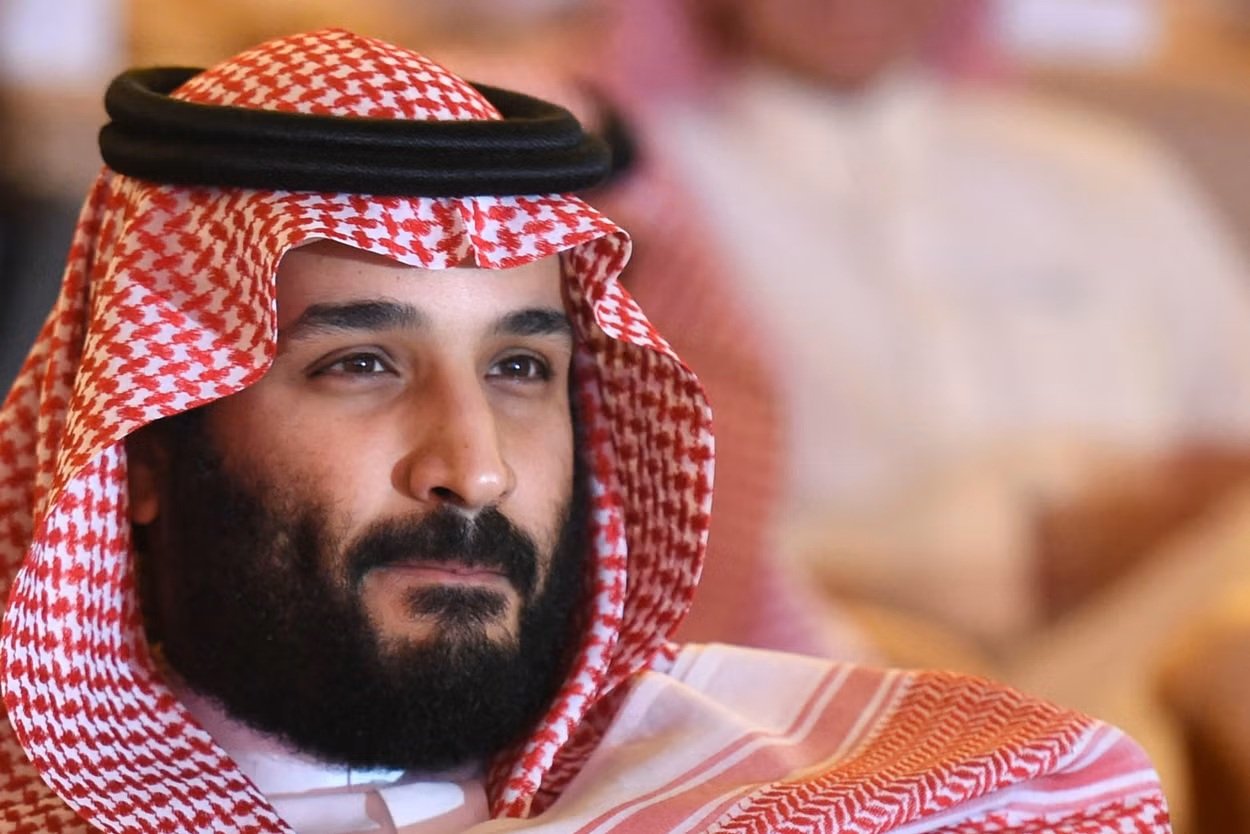
A few days ago, Business Insider Africa reported that Saudi Arabia had temporarily shut down a 1,200-kilometer pipeline after drone attacks from Iran. In a recent development, however, Saudi Arabia announced that it has decided to choose diplomatic condemnation over immediate military action.
- Saudi Arabia temporarily shut down a major oil pipeline after drone attacks from Iran.
- Saudi Arabia delayed military response at the request of Iraq’s prime minister, allowing Iraq to investigate.
- Iraq responded by launching a formal investigation, forming an inquiry committee, and replacing the local military commander.
- Middle East crises has led to increased global oil prices, directly causing higher fuel costs and economic pressure in Africa.
The attack, which struck infrastructure across the central Riyadh and western Medina regions, caused several injuries and forced a precautionary shutdown of the pipeline system.
Designed to transport crude oil from eastern fields to the Red Sea port of Yanbu to bypass the Strait of Hormuz, the project was targeted by drones launched from within Iraq’s Maysan province.
Rather than retaliating with military force, the kingdom decided to hold off on direct armed action.
DON’T MISS THIS: Saudi Arabia boosts tourism ties with Africa’s most developed economy as thousands of pilgrims travel to the kingdom
In an official statement released by Saudi Foreign Ministry published by Africa News it was said that “at the request of the Iraqi prime minister, the kingdom had refrained from responding at this stage“.
The pause was granted to allow the Iraqi government time to take necessary security steps against the perpetrators.
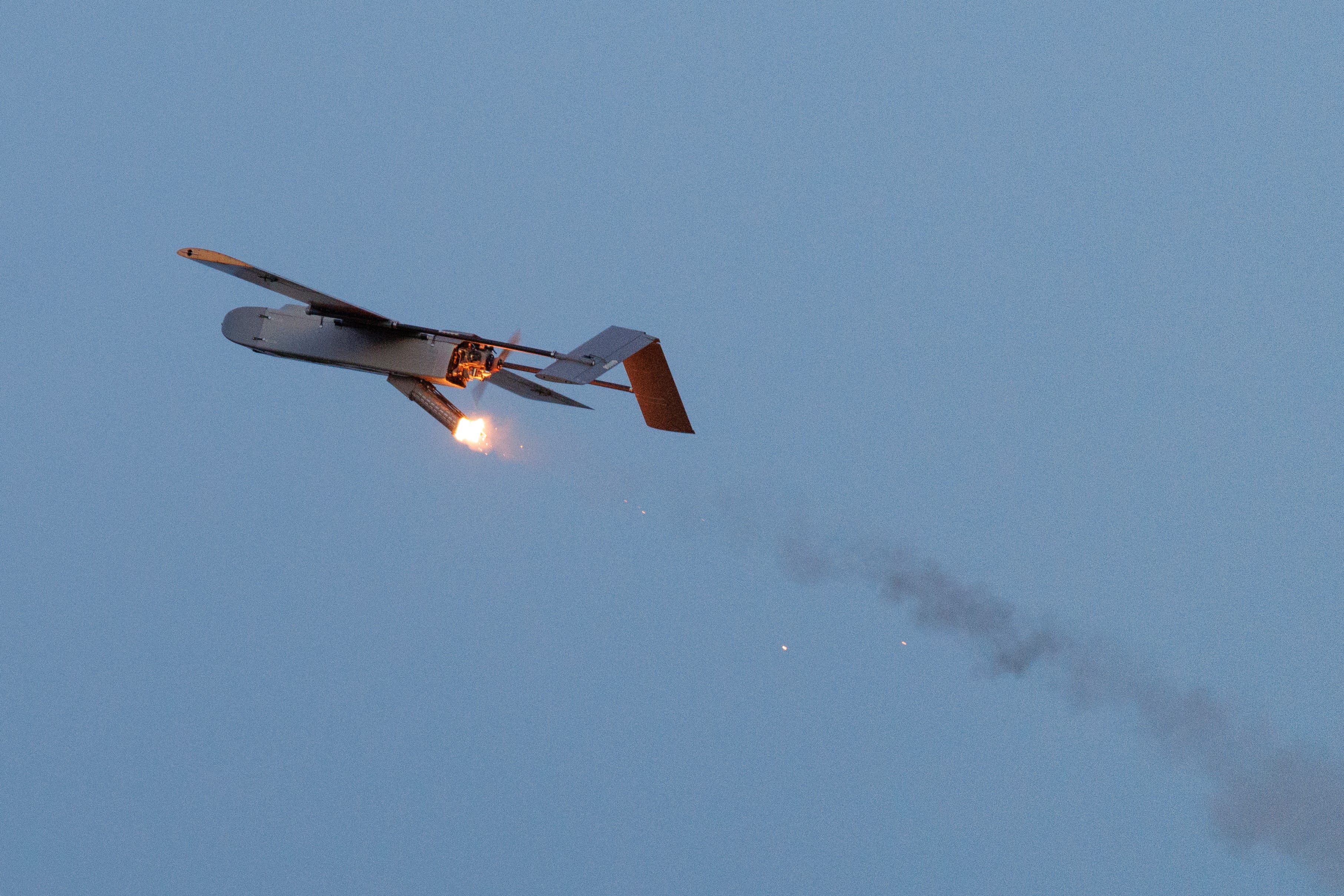
In response, Iraqi Prime Minister Ali al-Zaidi ordered an urgent investigation into the attack, established an operational inquiry committee, and dismissed the military commander of Maysan province.
Sabah al-Numan, spokesperson for the commander-in-chief of the Iraqi armed forces, condemned the assault and affirmed that Iraq is “opposing any act that endangers Saudi security and stability or harms the brotherly relations between the two countries”.
Rising fuel prices in Nigeria signal fresh energy pressures across Africa
While diplomatic efforts continue in the Gulf, the security threat against Middle Eastern oil supply lines has triggered immediate instability across global energy markets.
Heightened conflict and maritime risks pushed international crude prices beyond $100 per barrel, with Brent crude reaching $104 per barrel.
DON’T MISS THIS: Houthis advance towards strait separating Yemen from Djibouti, putting 12% of global trade at risk
This global price surge has swiftly impacted African economies, creating acute energy pressure in nations such as Nigeria.
Fuel outlets across key urban centers adjusted prices sharply following rising ex-depot costs.
As noted by The Times, in Abuja retail petrol prices surged to N1,450 per litre, while station prices in Lagos climbed to N1,400 per litre.
The Dangote Refinery increased its gantry price from N1,265 to N1,350 per litre.
These rapid price adjustments makes it clear that security disruptions to Middle Eastern petroleum infrastructure translate directly into rising cost-of-living threats for consumers across Africa.