







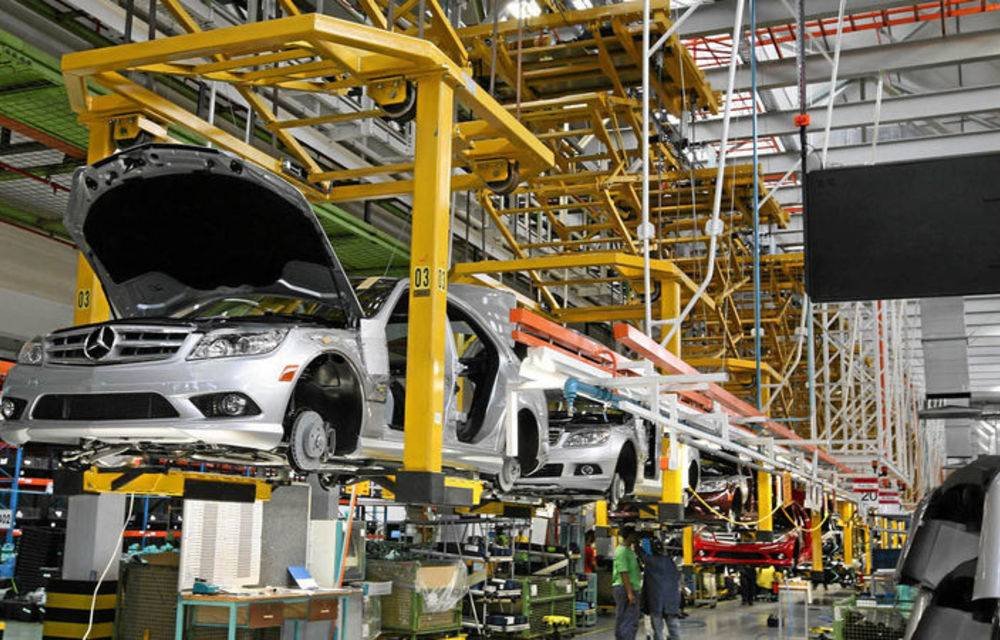
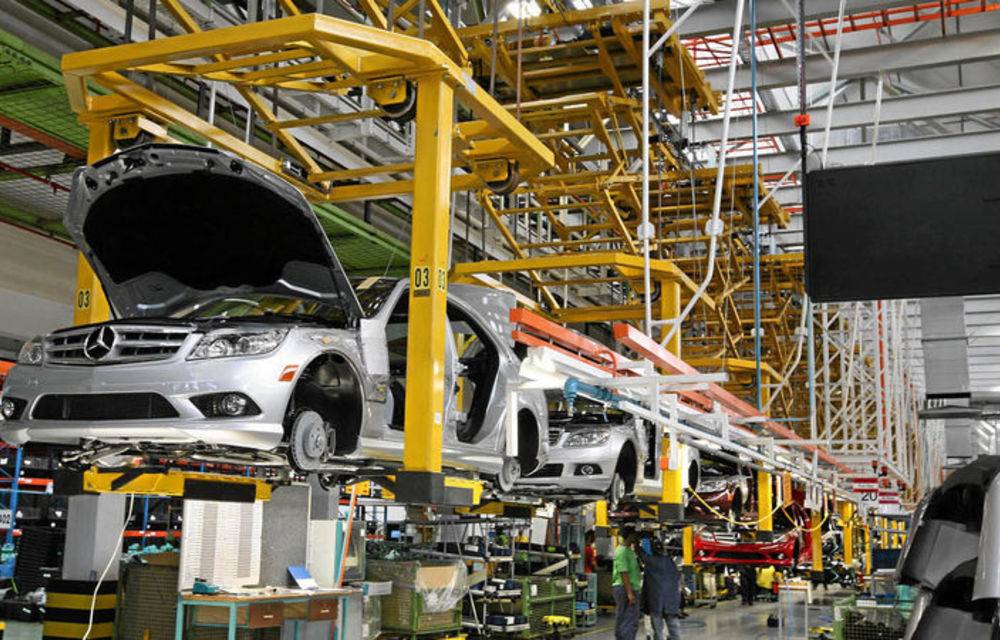
South Africa will phase out policy support for automakers that import nearly complete vehicles for local assembly, as the government seeks to strengthen domestic manufacturing, create jobs and increase the use of locally produced components.
- South Africa plans to gradually withdraw policy support for automakers assembling nearly complete imported vehicles, aiming to boost domestic manufacturing and job creation.
- The government’s shift targets phasing out semi-knocked-down (SKD) operations and increasing local content in vehicles from 38% to 60% by 2035 under the Automotive Master Plan.
- Medium and heavy commercial vehicles are exempt, while rules for complete-knocked-down (CKD) manufacturing using local parts will be tightened to encourage deeper industrialisation.
- The government will also consider extra protections for the pickup truck segment, requiring manufacturers to commit to production, localisation, and exports if support is granted.
Trade, Industry and Competition Minister Parks Tau said at South African Auto Week that the government would gradually phase out existing semi-knocked-down (SKD) operations and deny policy support to new facilities.
SKD assembly involves importing vehicle bodies and most components in kits for local assembly, rather than manufacturing vehicles from the ground up.
The policy shift supports South Africa’s Automotive Master Plan, which targets an increase in local content from an average of 38% to 60%, a doubling of industry employment and a rise in the country’s share of global vehicle production to 1% by 2035.
The changes will exclude medium and heavy commercial vehicles. The government will also tighten the definition of complete-knocked-down (CKD) manufacturing, which involves assembling vehicles using locally sourced parts.
South Africa remains Africa’s leading vehicle producer, according to the International Organisation of Motor Vehicle Manufacturers.
The country manufactured 599,755 vehicles in 2024, a 5% year-on-year decline that ranked it 20th globally. Output also fell short of the 784,509 vehicles targeted under the South African Automotive Masterplan 2035.
Government weighs protection for pickup truck makers
Tau said the government would investigate whether the ladder-frame light commercial vehicle segment, which includes pickup trucks, needs additional protection. The International Trade Administration Commission will investigate before authorities make a final decision.
Any additional protection, he said, would require manufacturers to commit to production, localisation, employment, transformation, exports and investment.
The government is reviewing the Automotive Production and Development Programme with industry associations NAAMSA and NAACAM, alongside organised labour.
Meanwhile, Toyota South Africa Motors has completed more than 77% of its R10.4 billion ($634 million) investment programme to produce the next-generation Hilux pickup truck, reinforcing South Africa’s role as one of Toyota’s most important manufacturing hubs outside Japan.
Automakers push to close SKD loophole
The review follows calls from automakers for incentives that favour deeper manufacturing and protect local producers from imports.
BMW Group South Africa CEO Peter van Binsbergen previously criticised SKD operations, arguing that some manufacturers benefited from near-duty-free imports without making substantial investments or creating significant employment.
Toyota South Africa Motors CEO Andrew Kirby also called for SKD assembly to be phased out, saying it risked undermining investments in full-scale production.
He urged the government to strengthen CKD manufacturing and improve the balance between locally produced and imported vehicles.