




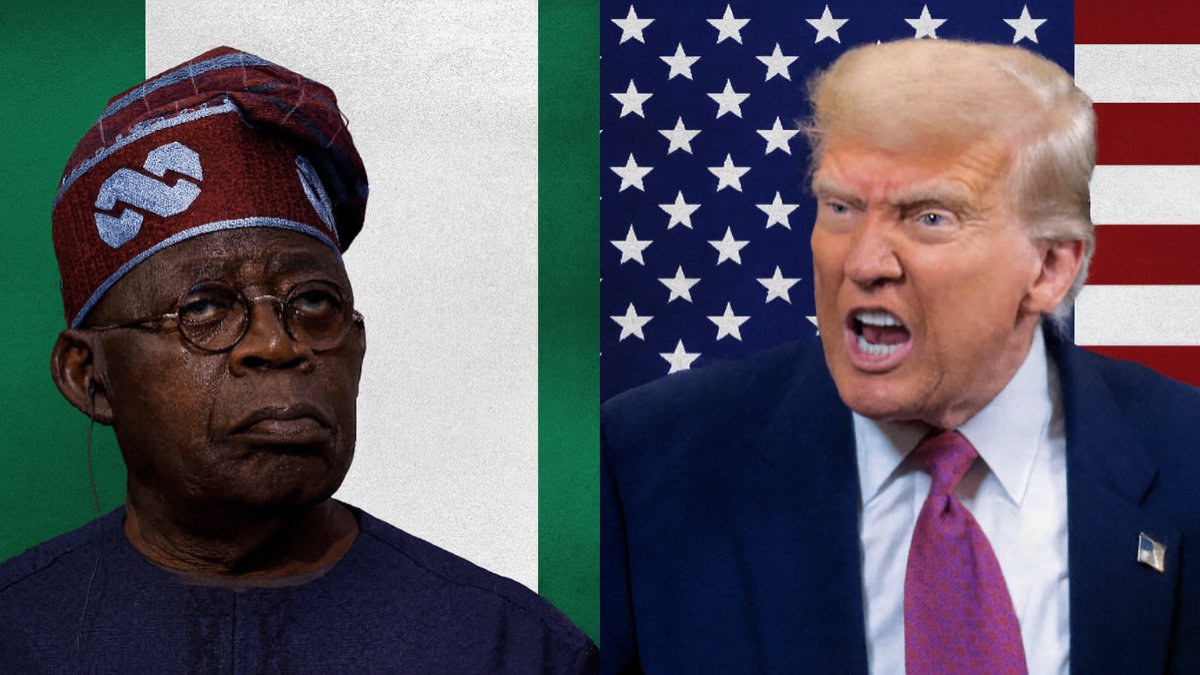

The United States Congress is preparing another examination of Nigeria’s handling of religious violence and insecurity, with lawmakers set to assess the country’s progress one year after President Donald Trump renewed Washington’s pressure over attacks on Christian communities.
- The US Congress is set to review Nigeria’s efforts to address religious violence, focusing on protection for Christians and security in the Middle Belt.
- A House Foreign Affairs Subcommittee hearing will assess progress one year after President Trump’s increased pressure on Nigeria.
- The inquiry will examine violence by groups like Boko Haram and the Nigerian government’s response.
- Witnesses include senior US State Department officials and NGO representatives, but no Nigerian government officials are listed.
The House Foreign Affairs Subcommittee on Africa will hold the hearing on Thursday, November 12, under the title “One Year Later: Assessing Nigeria’s Efforts to Protect Christians and Secure the Middle Belt”.
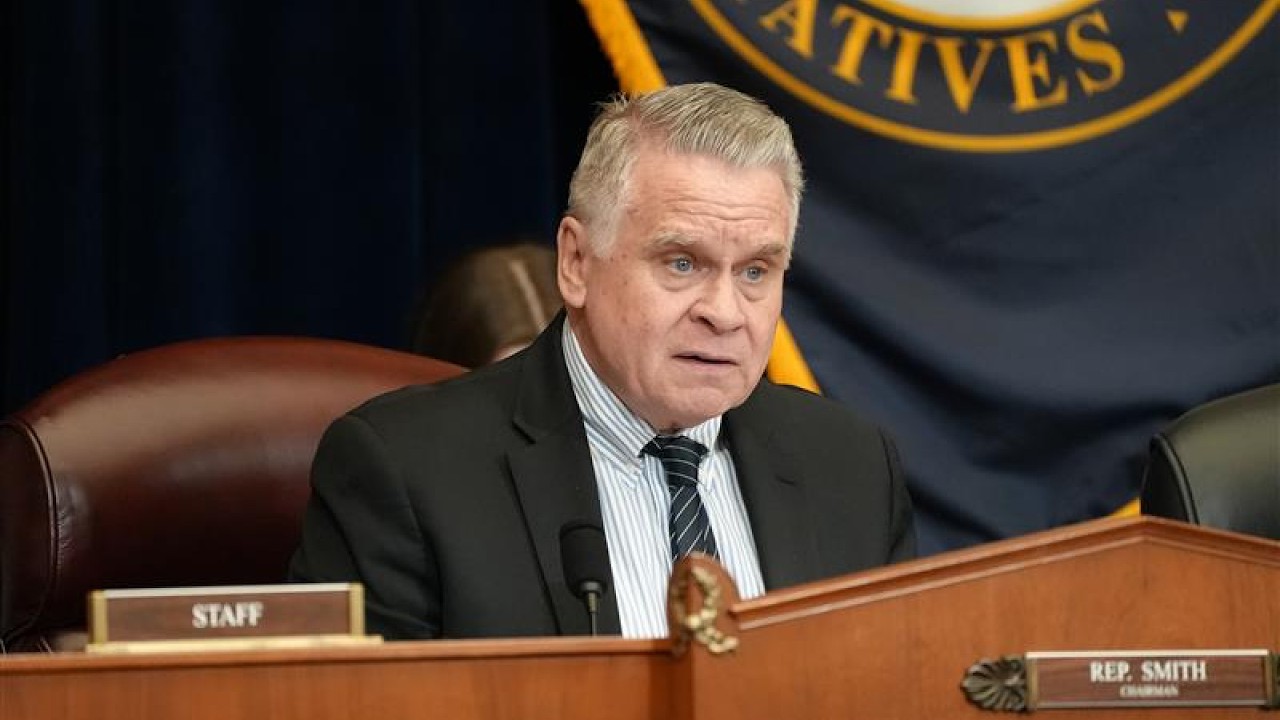
Announcing the session, Republican subcommittee chairman Chris Smith described it as his 14th congressional hearing on religious persecution in Nigeria.
The inquiry will examine violence attributed to Boko Haram and other armed groups, the Nigerian government’s response, and possible steps Washington could take to ensure greater protection for vulnerable communities.
The witness list includes two senior State Department officials, Frank Garcia and Riley Barnes, alongside representatives of the Hudson Institute, Open Doors US and the Center for Strategic and International Studies.
No Nigerian government representative appears on the published list.
From Trump’s CPC designation to a changing Congress
The renewed scrutiny follows Trump’s October 31, 2025 designation of Nigeria as a Country of Particular Concern (CPC) under the International Religious Freedom Act, reopening a dispute that dates back to his first administration.
Washington first placed Nigeria on a Special Watch List in 2019 before designating it a CPC in 2020. The Biden administration subsequently removed the country from the designation in 2021, drawing criticism from religious-freedom advocates and several US lawmakers.
The latest designation raised the possibility of US penalties, including restrictions on certain forms of assistance. However, it does not automatically impose sanctions. The law gives the administration discretion over the measures to apply and provides for waivers.
The two governments have since established a joint working group. At its August 2026 meeting in Washington, US officials and a Nigerian delegation led by National Security Adviser Nuhu Ribadu discussed protection of Christian communities, accountability for perpetrators and security cooperation.
The hearing comes days after Democrats secured control of both chambers of Congress in the November 3 midterm elections, ending Republican control of the House and Senate. Reuters reported that Democrats had won at least 54 Senate seats and 252 House seats.
The November 12 session will proceed under the outgoing Republican majority, but Democrats will control congressional committees when the new Congress begins in January. That could change the emphasis of future oversight, although it will not automatically reverse Trump’s CPC designation, which remains an executive-branch decision.
For Nigeria, the hearing represents another opportunity for its security record and religious-freedom policies to shape relations with Washington.