




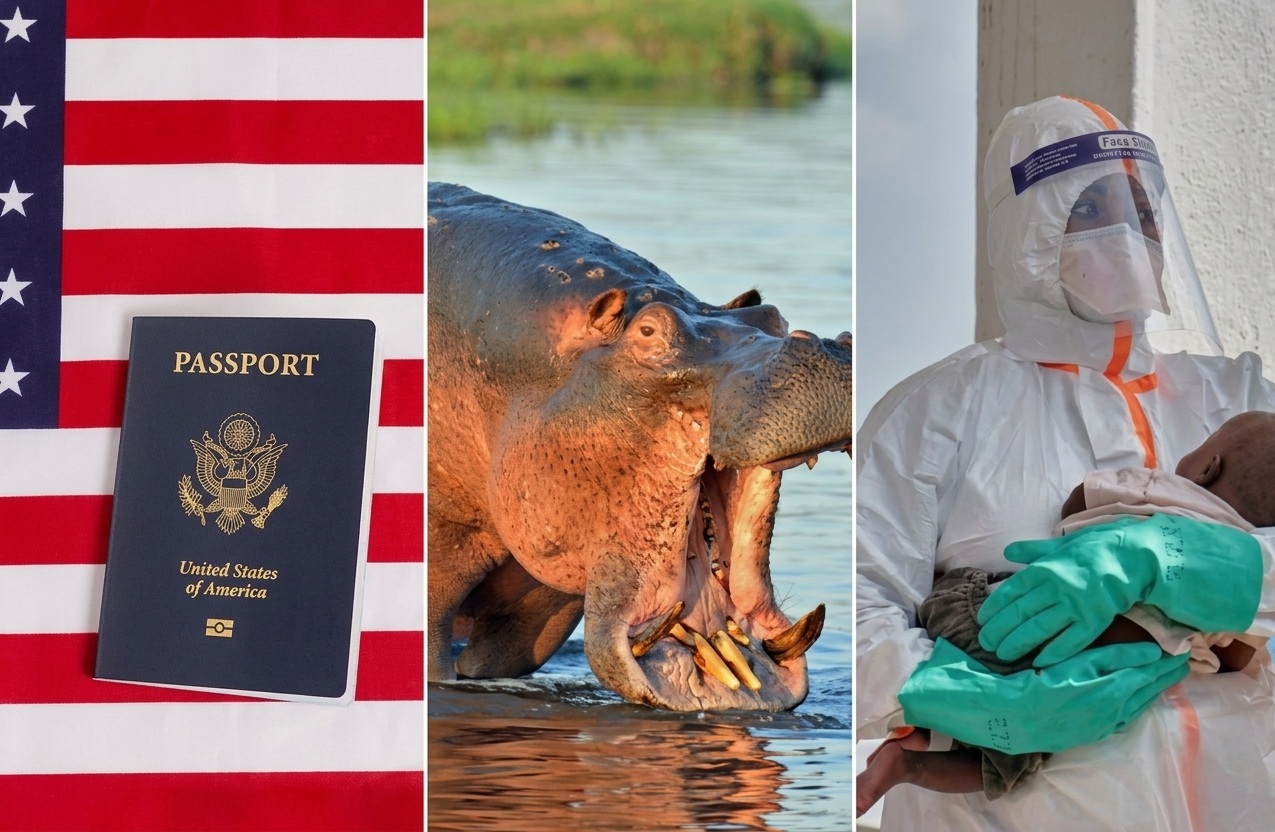
The Democratic Republic of Congo is confronting multiple health crises as an anthrax outbreak strikes wildlife in the east while the country continues to battle a devastating Ebola epidemic. In response to the Ebola outbreak, the U.S. has introduced strict new travel rules requiring air travellers arriving in the country to disclose whether they have recently visited Congo.
- The Democratic Republic of Congo is facing simultaneous health crises: an anthrax outbreak among wildlife and an ongoing deadly Ebola epidemic.
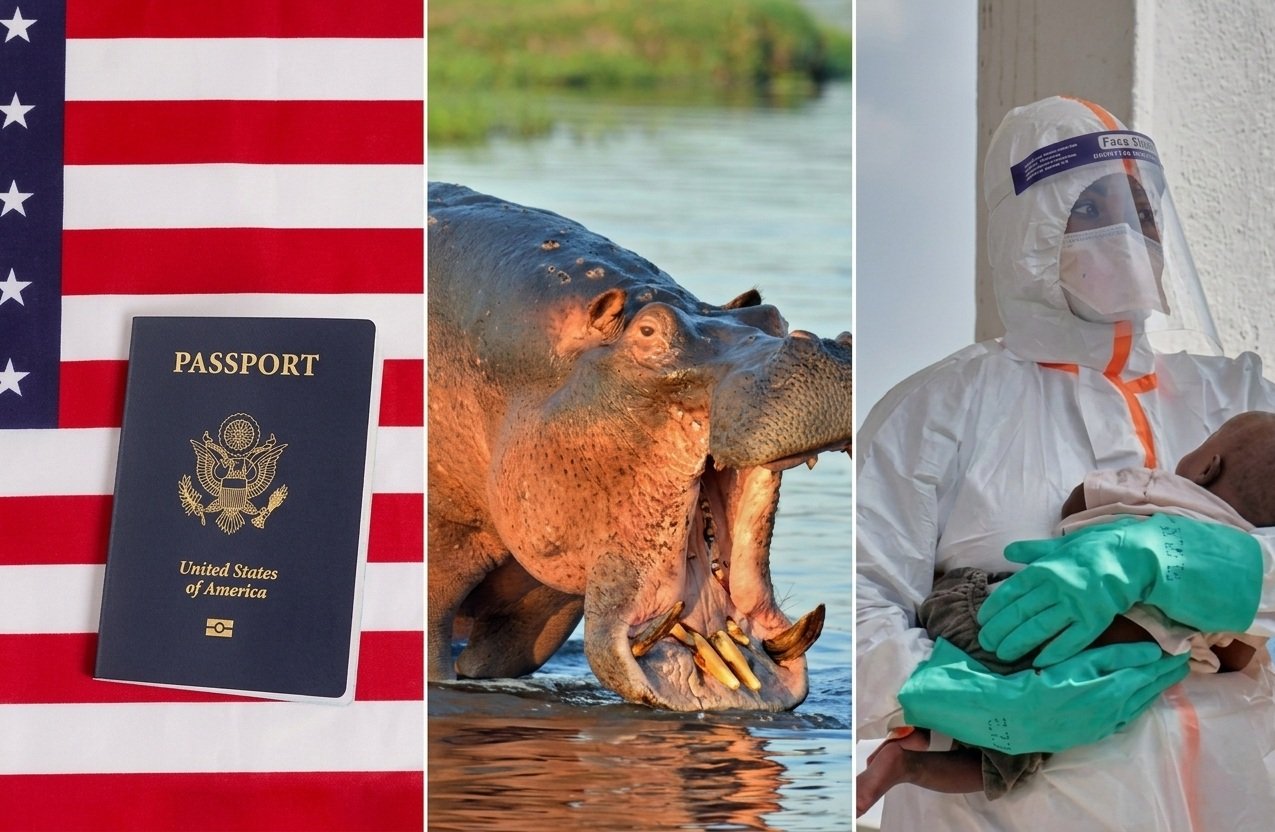
- Anthrax has killed at least 28 hippopotamuses in Virunga National Park, and authorities warn humans could be exposed through contact or consumption of contaminated animals.
- The Ebola epidemic is the country’s second-largest on record, with over 10,000 cases and 5,100 deaths.
- The U.S. has instituted stricter travel measures, requiring travelers arriving from Congo to declare their recent travel history to prevent the spread of Ebola.
Amid these mounting challenges and international travel restrictions, recent reports have revealed that recovered Ebola survivors are stepping into hospital isolation wards to comfort and care for infected children who cannot be touched by their own parents.
Democratic Republic of Congo battles deadly anthrax outbreak alongside Ebola crisis
While public health workers continue to manage the second-largest Ebola epidemic on record, which has recorded more than 10,000 cases and 5,100 deaths, a separate anthrax outbreak is taking a heavy toll on wildlife in eastern Congo’s Virunga National Park.
Laboratory tests confirmed that the bacterium Bacillus anthracis killed 28 hippopotamuses along the Semuliki River over roughly one month.
Local resident Michael Kambale shared his growing anxiety with Al Jazeera, stating, “It was in mid-September that we began to notice the mass deaths of hippos in the Semuliki River. We have started to fear this situation, which is unfolding whilst we are in the midst of the Ebola outbreak”.
Authorities warn that anthrax spores can persist in the soil for decades and spread to human populations.
In an official press release sent to Al Jazeera, Virunga National Park cautioned nearby residents, “This disease can be transmitted to humans through contact with a dead or sick animal or by consuming its meat”.
U.S. tightens air travel rules for passengers arriving from Congo
To prevent the international spread of Ebola, the U.S. Centers for Disease Control and Prevention has introduced heightened screening measures for incoming travellers.
Under the mandatory CDC directive, all airline passengers flying into the United States must complete digital or paper attestations confirming whether they have travelled to the Democratic Republic of Congo within the preceding 21 days.
The restrictions apply to international passengers as well as U.S. citizens returning from affected areas.
Health officials noted that the active strain of the virus has a high fatality rate and lacks an approved vaccine or specific medical treatment, making rapid identification at borders essential.
The CDC confirmed that no cases linked to this outbreak have been reported in the United States.
Brave Ebola survivors enter isolation wards in Congo to comfort infected children
Inside hospitals in Congo, an inspiring effort is underway to care for the youngest victims of the Ebola epidemic.
Because relatives are prohibited from entering isolation units or touching sick family members, recovered patients who have developed natural immunity are stepping in as caregivers.
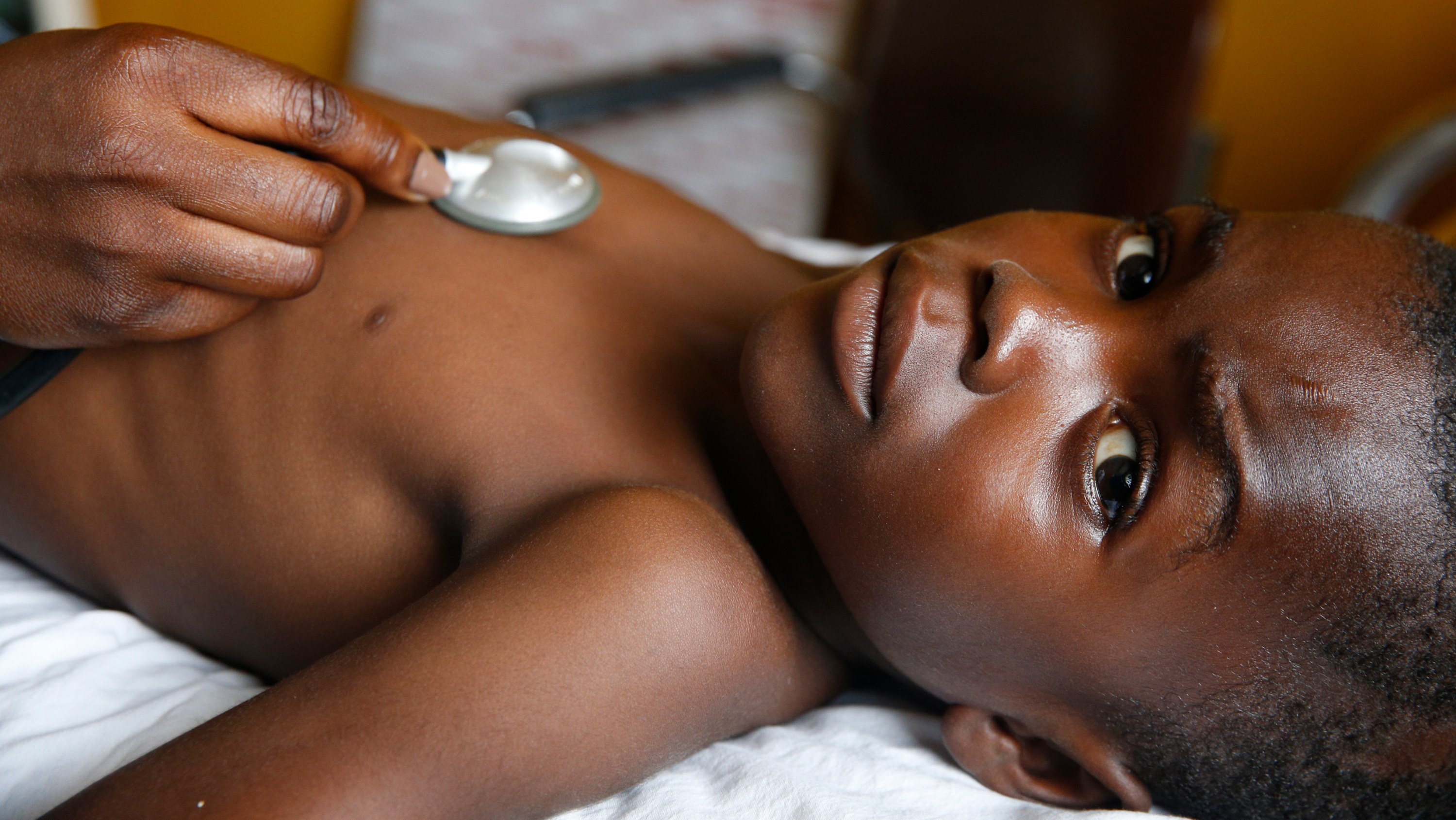
Among them is 29-year-old Jerkis Mahamba, who recovered after spending 18 days in treatment and now works at Kitatumba Reference Hospital in Butembo.
Speaking to Reuters about his work comforting frightened children, Mahamba explained, “I introduce myself and tell them, I went through this too. I ask them not to lose hope”.
Wearing protective gear, these survivors feed, hold and play games with young patients.
They also serve a critical role in local communities by challenging stigma and misinformation surrounding the outbreak.
Dr. Toussaint Selemani, head of the hospital centre operated by Médecins Sans Frontières, told Reuters, “At the community level, a survivor can become a powerful ambassador in the fight against the disease”.
He added that when isolated patients connect with a survivor, “it can restore hope”.