





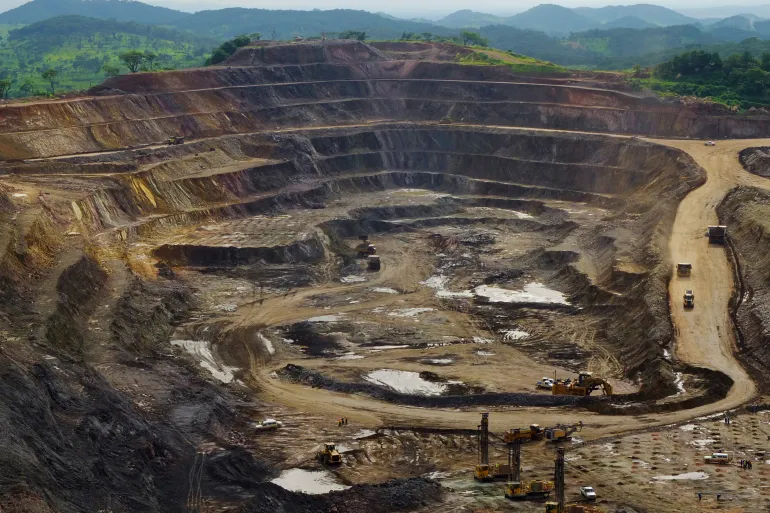
The Democratic Republic of Congo (DRC), the world’s largest cobalt producer and second-largest copper producer, has secured $965 million in new financing commitments as global competition for access to its critical minerals intensifies.
- The Democratic Republic of Congo has secured $965 million in new financing commitments.
- Financial institutions have earmarked $700 million for the country’s mining industry.
- Another $265 million will be provided through the International Finance Corporation to support private businesses.
- Congo is seeking to expand domestic mineral processing as the US and China compete for access to its resources.
The financing was announced at the Makutano Mining Forum in Kinshasa on Tuesday, as the Central African nation seeks to attract more investment into domestic mineral processing and increase the participation of local businesses in its mining industry.
Of the total amount, $700 million has been earmarked for the mining sector, while another $265 million will be provided through the International Finance Corporation (IFC), the private-sector investment arm of the World Bank Group.
Business Insider Africa, which was present at the forum, learnt that the funding will support smaller businesses, mining contractors, mineral processing and trade finance.
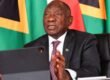
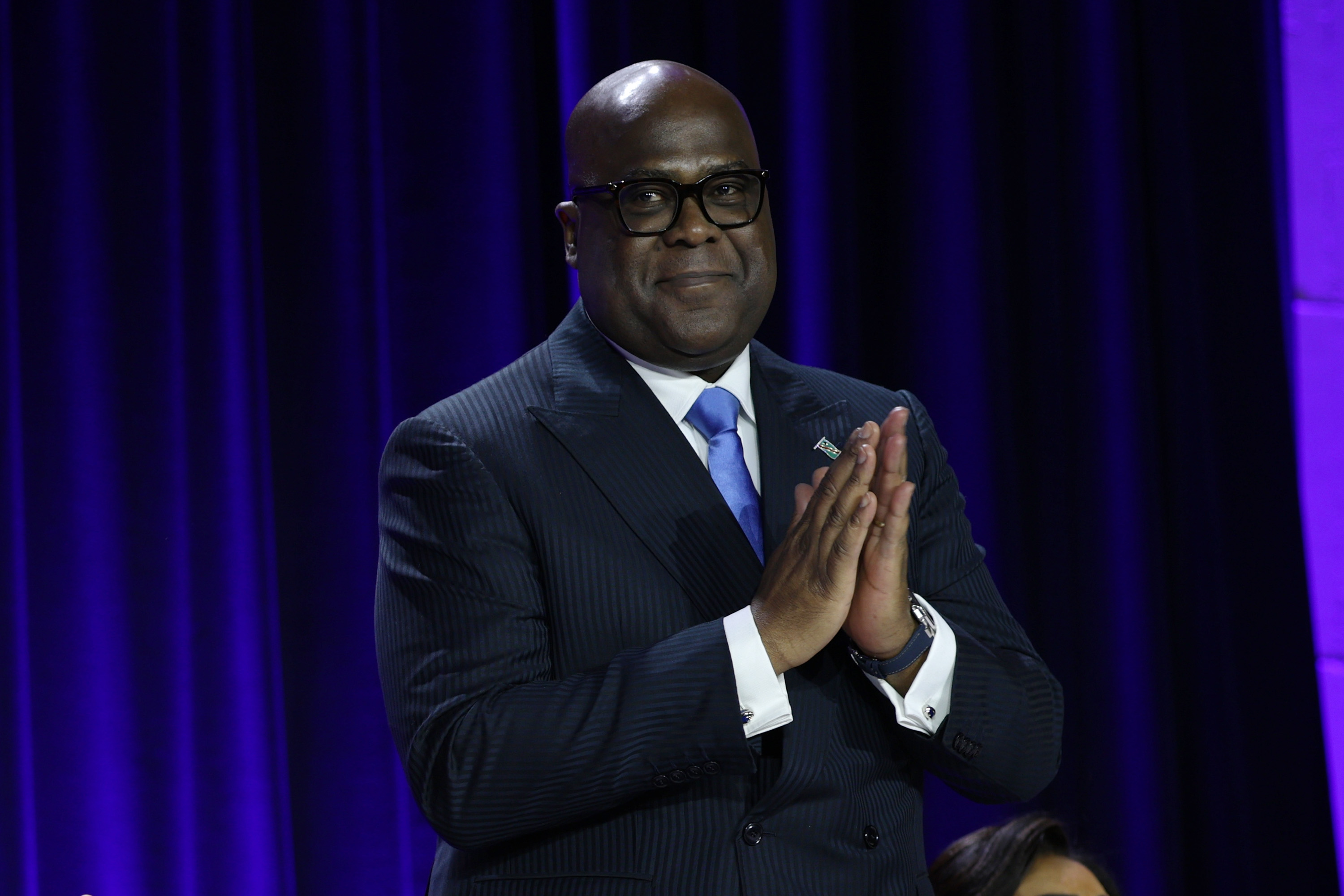
Speaking at the forum, Congolese President Félix Tshisekedi reaffirmed his administration’s commitment to expanding domestic mineral processing to deliver “lasting prosperity for the people”.
Five banks and two investment funds participated in the financing initiative, according to Congolese financial publication LePoint.cd.
Among the projects identified was a $45 million financing arrangement involving BGFIBank and a Congolese contractor working with Kamoa Copper to expand its underground drilling operations.
Another $25 million was designated for expanding a copper processing plant in Lualaba province, increasing its capacity from 50,000 tonnes to 75,000 tonnes.
However, organisers have yet to publicly identify individual projects accounting for the majority of the announced financing.
US and China compete for Congo’s mineral wealth
The financing commitments come as the DRC seeks to diversify investment in a mining industry where Chinese companies have established a significant presence.
The country holds an estimated six million tonnes of cobalt reserves, representing more than half of the world’s known reserves, according to US Geological Survey data cited by Reuters.
Cobalt is used in rechargeable batteries, aerospace components and advanced manufacturing, while copper is essential for electricity networks, electric vehicles and data centre infrastructure.
In 2025, Washington and Kinshasa signed a strategic minerals partnership aimed at expanding US access to Congolese mineral resources while encouraging investment in mining and infrastructure.
The partnership has supported the establishment of US-backed copper and cobalt miner Virtus Minerals and increased supplies of Congolese copper to Western markets.
Washington has also supported the development of the Lobito Corridor, a transport network connecting the mineral-rich regions of Congo and Zambia to Angola’s Atlantic coast.
Kinshasa has nevertheless maintained that attracting Western investment is not intended to displace Chinese companies but to diversify its sources of financing and export markets.
Earlier this month, Congo’s Economy Minister Daniel Mukoko Samba urged Washington to translate its strategic minerals partnership into tangible investments.
“Our requirement is to move from signed agreements to real investments,” Mukoko Samba said.
The country is also pursuing reforms to streamline licensing, taxation and regulatory approvals for major mining investments, including proposals to establish a centralised investment agency accessible to American, European and Chinese companies.
Beyond attracting foreign capital, Congo is seeking greater control over its mineral supply chains through domestic processing, geological surveys and restrictions on cobalt exports.
In February 2025, the government temporarily suspended cobalt exports following a sharp decline in global prices before introducing a quota system to manage supply.
The latest financing commitments extend that strategy to Congolese businesses supplying equipment, technical services and processing capacity to the country’s extractive industry.