







![Indian refiners increase crude purchases from Africa and the Middle East amid a strategic shift away from Russian oil supplies. [Stock Photo/Getty Images]](https://ocdn.eu/pulscms/MDA_/4277d7faafa3ed53446ba1c8ccafbec8.jpg)
India’s largest state-owned refiners have sharply increased purchases of crude oil from West Africa and the Middle East in a notable shift away from Russian supplies as New Delhi seeks to strengthen its negotiating position with Washington on a potential trade deal, industry sources say.
- Indian Oil Corporation has bought six million barrels of crude from West Africa and the Middle East, according to trade sources.
- The purchases include Nigerian and Angolan grades, as well as UAE crude, as India avoids Russian oil amid ongoing trade talks with the United States.
- State refiners IOC and HPCL have also secured Venezuelan crude for April delivery to India’s east coast.
- The move highlights a broader effort by Indian refiners to diversify supply sources and manage geopolitical risk.
In tenders issued last week, Indian Oil Corporation (IOC) secured around six million barrels of crude from West African and Middle Eastern producers for delivery in April, traders told Reuters.
The purchases include Angolan Pazflor and Nigerian Agbami grades from trading house Totsa, and Nigerian Akpo and Bonny Light grades from Shell, according to two sources. IOC also purchased approximately 2 million barrels of Upper Zakum crude from Mercuria, produced in the United Arab Emirates.
This activity comes as Indian refiners are refraining from offers for Russian crude for March and April loading, and industry participants expect this to persist as the year unfolds.
“Refiners are not taking March-April Russian crude offers, and are expected to stay away from such trades for longer,” one source said, reflecting a broader recalibration of supply strategies.
Industry insiders note that the move is part of a broader effort to diversify imports and reduce reliance on Russian barrels, which have dominated India’s import basket in recent years. Data compiled by trade observers show Russian crude consistently accounted for a significant share of India’s seaborne oil purchases, making the pivot all the more striking.
Sale of Venezuela crude oil
![Indian refiners increase crude purchases from Africa and the Middle East amid a strategic shift away from Russian oil supplies. [Stock Photo/Getty Images]](https://ocdn.eu/pulscms/MDA_/0d00938cf732d350de56643ca5903117.jpg)
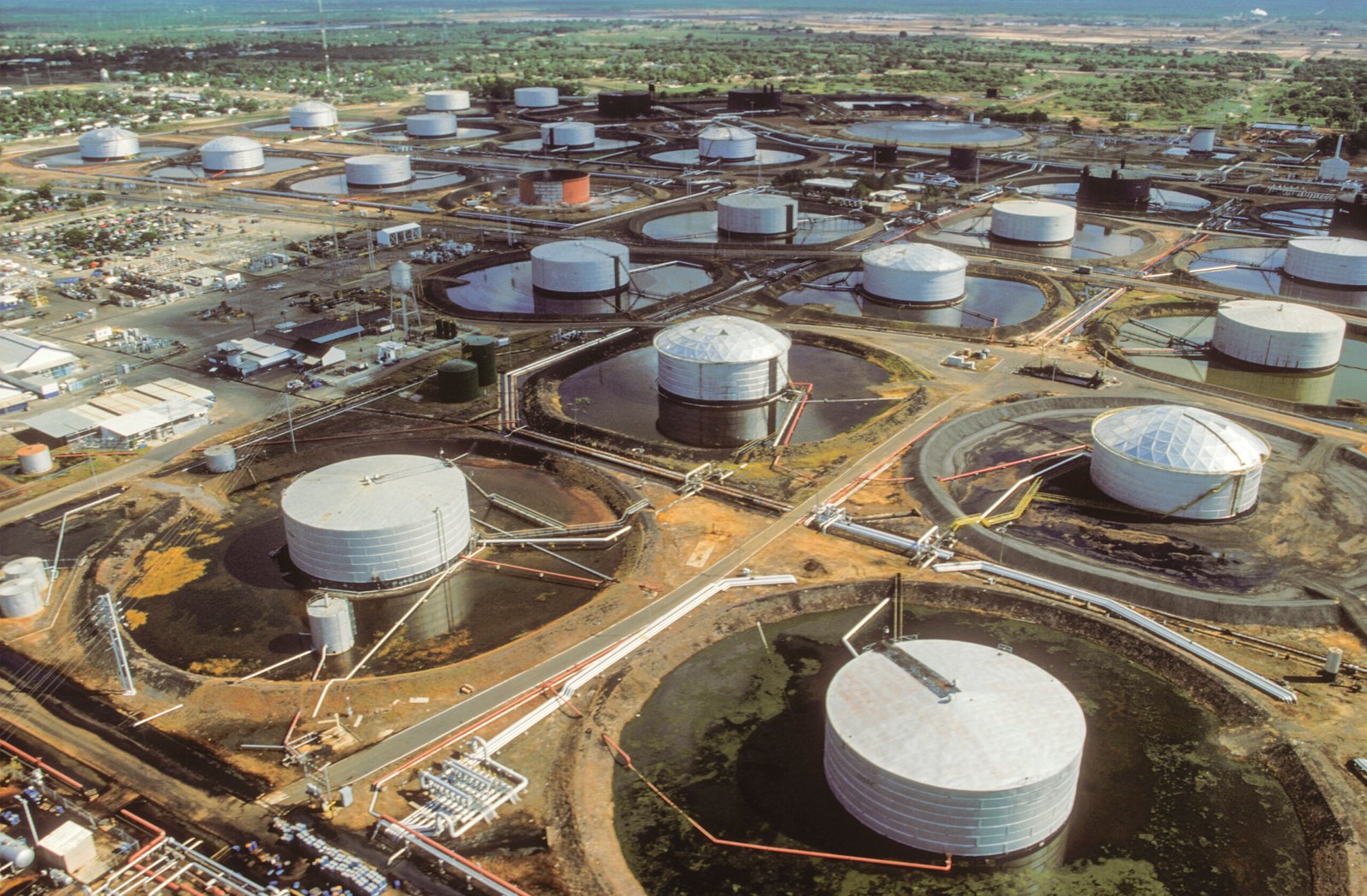
Alongside these West African and Gulf purchases, state refiners Indian Oil and Hindustan Petroleum Corporation Ltd (HPCL) have together bought two million barrels of Venezuelan Merey crude for late April delivery, two people familiar with the deal said.
Under this arrangement, IOC will take about 1.5 million barrels and HPCL 500,000 barrels aboard a single very large crude carrier destined for India’s east coast. The seller is Trafigura, though the firm declined to comment publicly.
For HPCL, this marks the company’s first purchase of Venezuelan crude, while IOC has previously imported Venezuelan barrels. The move underscores continued efforts by Indian refiners to broaden their sourcing options amid geopolitical volatility and shifting global trade ties.
Trade sources note that Venezuelan oil, such as Merey, is being priced against the Dubai benchmark and has been trading at discounts of about $6.50 to $7 per barrel below ICE Brent, making it an attractive feedstock for heavy crude-processing facilities in India.
The shift in India’s import pattern comes as New Delhi and Washington press ahead with talks on a framework trade agreement that could be finalised by March.
In a recent joint announcement, U.S. President Donald Trump said New Delhi had “committed to stop directly or indirectly” importing Russian oil, even though India has not formally announced a halt to such imports.
Observers say the current procurement strategy may support both India’s energy security and diplomatic objectives.
Analysts in the energy sector say Indian refiners are likely to continue scanning global markets for barrels not only from Africa and the Gulf but also further afield as they balance cost, quality, and geopolitical considerations.