





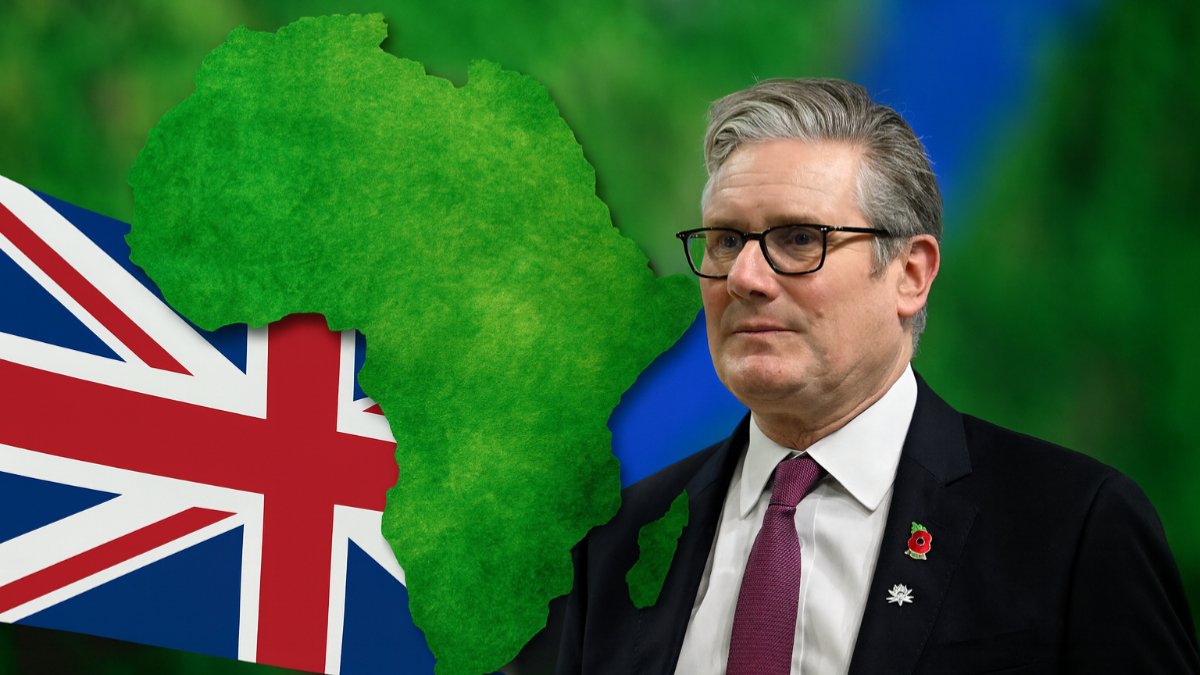
![UK Prime Minister Keir Starmer - Debate over slavery reparations intensifies as the United Nations backs calls for justice, while Reform UK proposes visa restrictions affecting Nigeria and other African nations. [AI Image/Mauro Pimentel - WPA Pool/Getty Images]](https://ocdn.eu/pulscms/MDA_/2eb46302c5fc6f24f1dc9ecf1a499320.jpg)
Several African and Caribbean nations, including Nigeria and Jamaica, could face tighter entry restrictions to the United Kingdom under a controversial proposal by Reform UK, escalating tensions over growing demands for reparations linked to the transatlantic slave trade.
- A UK political party has proposed visa restrictions targeting countries demanding slavery reparations, including Nigeria and Ghana.
- The proposal has sparked concern across Africa and the Caribbean, where calls for justice are gaining global traction.
- UK officials have distanced themselves from the plan, maintaining their long-standing opposition to reparations.
- The debate is intensifying following a recent UN resolution recognising slavery as a grave crime against humanity.
The policy, outlined by the party’s home affairs spokesperson Zia Yusuf, would target countries that have formally called on Britain to provide compensation for slavery. Yusuf argued that such demands overlook Britain’s historical role in abolishing the trade, stating that “a growing number of countries are demanding reparations from Britain” despite what he described as significant past sacrifices.
He added that the countries in question have collectively received 3.8 million UK visas and £6.6 billion in foreign aid over the past two decades, equivalent to roughly $8.3 billion at current exchange rates.
The proposal also names Kenya, Haiti, Guyana, Barbados, and The Bahamas, raising the possibility of broader immigration restrictions affecting millions of citizens across Africa and the Caribbean.
The development follows a recent resolution adopted by the United Nations General Assembly, which called on former colonial powers to address the enduring legacy of slavery. The resolution described the forced displacement of Africans as among the gravest crimes against humanity. The UK abstained from the vote.
Responding to the resolution, Reform UK leader Nigel Farage dismissed calls for reparations, insisting that the UN has no authority over British policy and rejecting any suggestion that the country should apologise or provide compensation for historical injustices.
The party has also pledged to slash Britain’s foreign aid budget to £1 billion annually, approximately $1.25 billion, representing a cut of about 90 percent from current levels.
However, the UK government has maintained a more measured stance. A spokesperson for the Foreign Office acknowledged the lasting impact of slavery but reiterated that its position on reparations remains unchanged. Similarly, Labour leader Keir Starmer has ruled out both an apology and financial compensation, emphasising a forward-looking approach.
The debate over reparations has intensified globally in recent years. Countries such as Ghana, alongside regional bodies like the Caribbean Community and the African Union, have stepped up calls for formal apologies, restitution of looted artefacts and broader reparatory justice.
With over 120 countries backing the latest UN resolution, the issue is gaining traction, setting the stage for a potentially divisive clash between historical accountability and modern diplomatic relations.