







At a time when parts of the global luxury industry are grappling with weaker demand in China and cautious consumer spending, the company behind Cartier is moving in the opposite direction.
- Richemont is approaching a $123 billion valuation after more than doubling in value over the past five years.
- The Cartier owner is outperforming parts of the global luxury industry thanks to booming jewellery sales.
- The group’s latest results showed strong growth across key markets, including the Middle East and Africa.
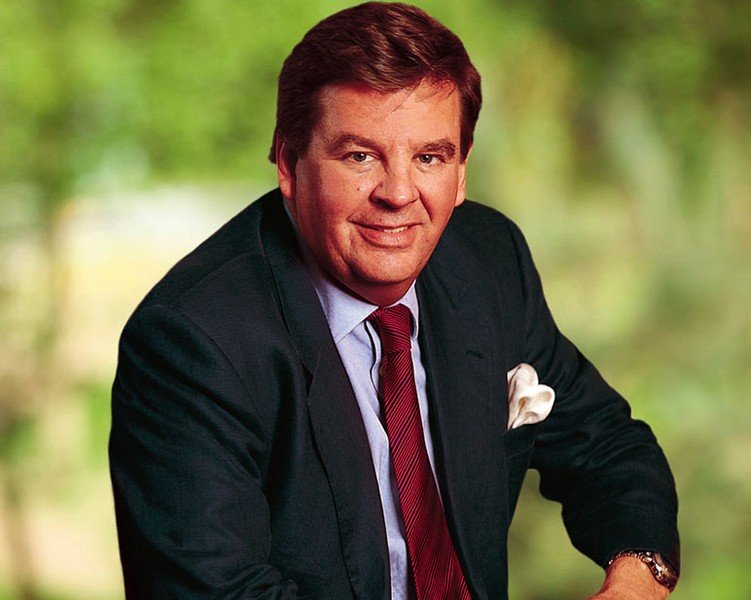
- The rally is further boosting the fortune of one of Africa’s richest family, led by South African billionaire Johann Rupert.
Richemont, the Swiss luxury group controlled by South African billionaire Johann Rupert, is now worth nearly $117 billion and is closing in on a symbolic $123 billion valuation milestone after its shares more than doubled over the past five years.
The surge has added tens of billions of dollars to the value of the company and reinforced its position as one of the world’s biggest luxury winners at a time when investors are becoming more selective about where they place their bets.
For Africa, it is another reminder that one of the continent’s most valuable business success stories is no longer tied to mining, banking or commodities, but to a luxury empire selling high-end jewellery and watches to wealthy consumers across the globe.
Cartier is carrying the empire
The biggest driver of Richemont’s success is not fashion. It is jewellery.
The owner of Cartier, Van Cleef & Arpels and Buccellati reported annual sales of €22.4 billion ($26 billion) for the year ended March, while its jewellery division delivered another standout performance.
Sales at its jewellery maisons rose 14% at constant exchange rates and generated an operating margin of 30.5%, making it the most powerful profit engine inside the group.
That performance stands out because luxury spending has become increasingly uneven.
While demand for timeless jewellery has remained resilient, several luxury brands more exposed to fashion and accessories have faced pressure as shoppers pull back on discretionary purchases and China’s economic recovery remains fragile.
Industry analysts increasingly view jewellery as one of the strongest segments in luxury because it combines emotional appeal, scarcity and long-term value in a way few other luxury products can match.
For Richemont, that trend has become a competitive advantage.
The strategy investors are rewarding
In his annual letter to shareholders, Rupert credited the group’s performance to a long-term approach built around strong brand identity, exclusivity and disciplined pricing.
Rather than chasing rapid expansion, Richemont has spent years protecting the prestige of its brands and focusing on customers willing to pay a premium for craftsmanship and heritage.
The strategy has also been reinforced by acquisitions such as Italian jewellery house Buccellati, which Richemont acquired in 2019 and has since integrated into its growing portfolio of luxury brands.
The market appears to be rewarding that patience.
Richemont’s shares gained almost 11% in May alone, despite no major acquisition announcement or transformative corporate event.
Instead, investors responded to strong earnings, rising profits and confidence that the company can continue growing even in an uncertain global economy.
The group recently completed a three-year share buyback programme and has launched a new initiative to repurchase up to 10 million shares, signalling continued confidence in its future prospects.
Growth from Dubai to Tokyo
Richemont’s strength is not coming from a single market.
The company recorded growth across most major regions, including Europe, Japan, the Americas, Asia-Pacific and the Middle East and Africa.
Particularly notable was the performance of the Middle East and Africa, where sales rose by double digits despite ongoing geopolitical tensions in parts of the region.
That broad geographic spread has become increasingly valuable as luxury companies seek to reduce their dependence on any single market.
For years, China was the industry’s main growth engine. Today, luxury groups are increasingly looking to wealthy consumers in the Gulf, North America, Japan and other regions to sustain growth.
Richemont appears to be benefiting from that shift.
A luxury fortune built far from Africa’s traditional industries
The rally is also strengthening the wealth of the Rupert family.
According to the Bloomberg Billionaires Index, the family is worth about $19.7 billion, making Johann Rupert Africa’s second richest person after Nigeria’s Aliko Dangote.
Richemont remains the crown jewel of the family’s investment portfolio and is worth far more than its other listed holdings.
The company’s rise marks a striking evolution in the Rupert family’s business story.
For decades, the family’s fortune was closely associated with tobacco through investments linked to British American Tobacco. That chapter effectively ended after the sale of its remaining stake, closing an association that stretched back roughly 80 years.
Today, luxury jewellery, watches and global consumer spending are the primary drivers of the family’s wealth.
Whether Richemont ultimately crosses the $123 billion threshold in the coming months will depend on market conditions and the health of luxury demand.
But one thing is already clear: while parts of the luxury industry are slowing, the company behind Cartier is still finding new ways to shine.