






South Africa is mounting a formal challenge to a new U.S. tariff proposal that could further strain trade ties between Africa’s most industrialized economy and one of its most important export markets.
- South Africa is formally challenging a new U.S. tariff proposal to protect its key export sectors from further strain.
- The U.S. recently imposed a 30% tariff on South African imports and is now proposing another 12.5% tariff citing concerns over forced labour.
- South Africa disputes the allegations, highlighting its robust legal framework against forced labour and requesting evidence from the U.S.
- Instead of retaliating, Pretoria is engaging diplomatically in hopes of resolving the dispute and safeguarding vital bilateral trade ties.
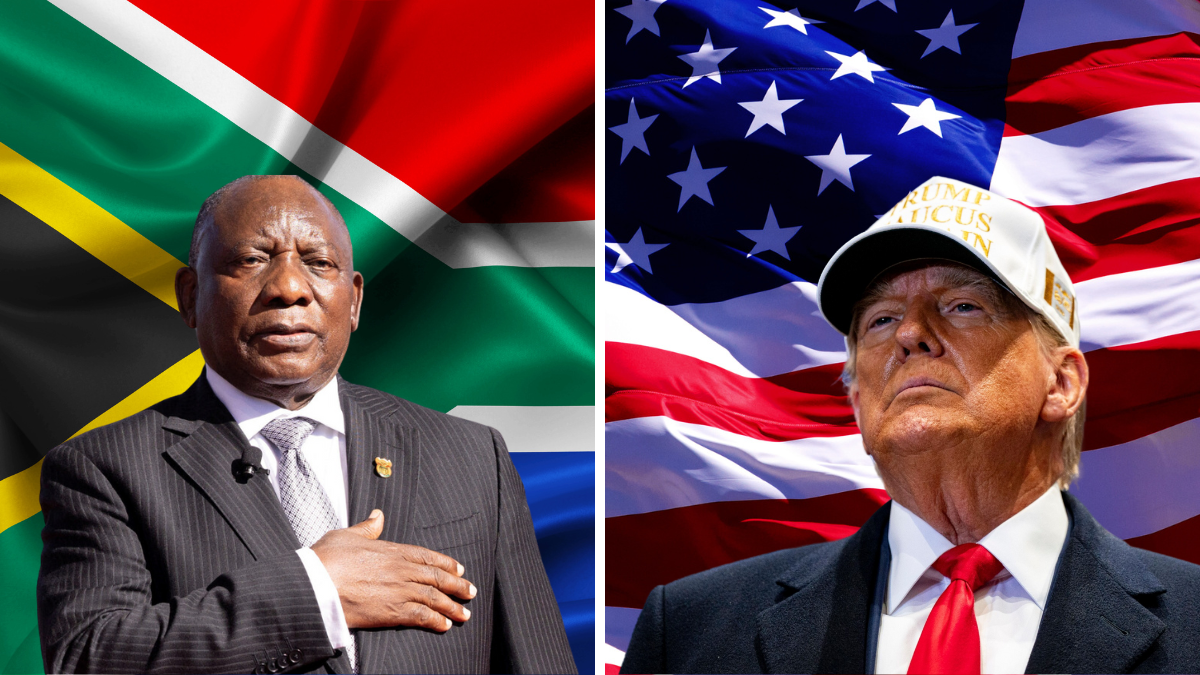
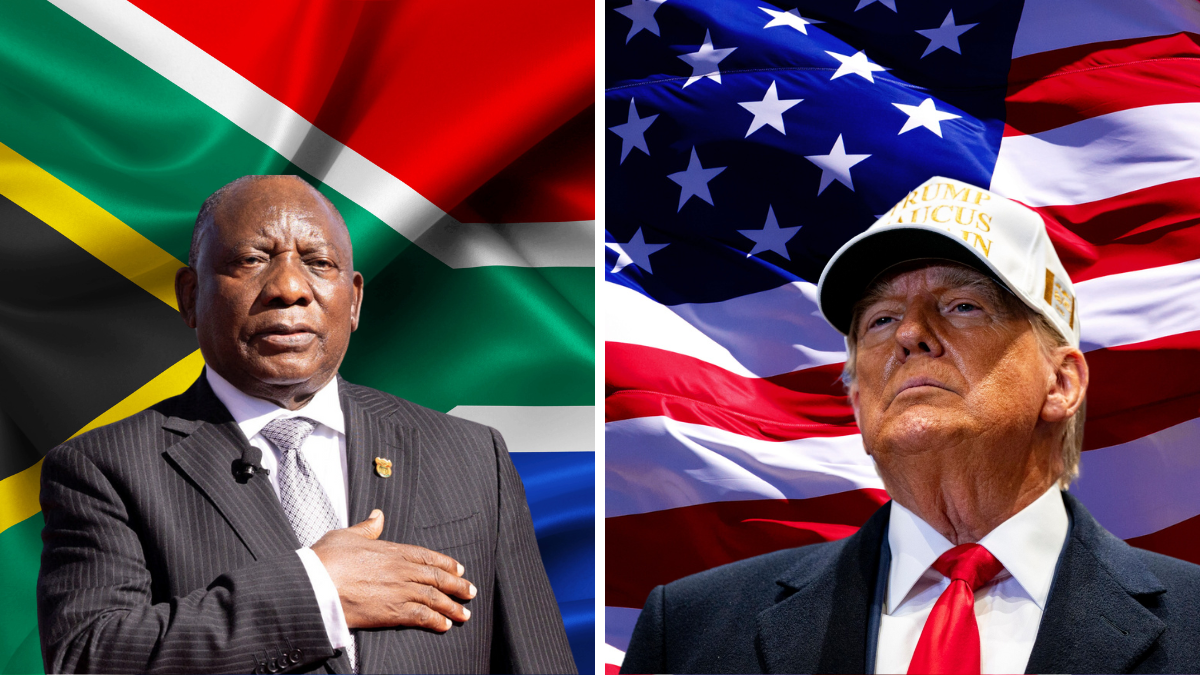
The move comes months after President Donald Trump’s administration imposed a 30% tariff on South African imports, a measure Pretoria warned would hurt key export industries including automobiles, agriculture, steel and manufacturing.
Now, South Africa faces another potential trade setback after the United States proposed a 12.5% tariff on imports from several countries, including South Africa, over concerns linked to forced labour in global supply chains.
DON’T MISS THIS: U.S. moves to block market access for 7 African countries following comprehensive global forced-labor investigation
In a detailed submission to U.S. authorities, South Africa rejected the basis for the proposed measure, arguing that the country already has robust laws and institutions to combat forced labour, human trafficking and unfair labour practices.
Trade, Industry and Competition Minister Parks Tau said South Africa had requested evidence from Washington to support allegations that goods produced through forced labour were entering the country or being re-exported to the United States.
South Africa bets on diplomacy instead of retaliation
![L-R: South African President Cyril Ramaphosa and US President Donald Trump shakes hands in the Oval Office of the White House in Washington, DC, on May 21, 2025. [Photo by JIM WATSON/AFP via Getty Images]](https://ocdn.eu/pulscms/MDA_/cf0474d41b001ad6101e3d37c31201fb.jpg)
Pretoria maintains that its labour regulations comply with international standards and that the proposed tariff risks penalizing a country that has established legal safeguards against labour exploitation.
Rather than retaliating, South Africa is pursuing a diplomatic strategy aimed at avoiding the new tariff. The government is participating in the U.S. consultation process, engaging trade officials and highlighting the importance of bilateral commerce and investment ties.
The latest dispute adds to growing uncertainty surrounding trade relations between the two countries.
South Africa exported approximately $14.7 billion worth of goods to the United States in 2024, led by precious metals, vehicles and auto parts, machinery, citrus fruits and wine.
Industry groups have warned that the earlier 30% tariff could threaten thousands of jobs in export-oriented sectors.
DON’T MISS THIS: Why South Africa fears losing US trade deal worth billions as Trump-era tariffs slash exports
South Africa’s automotive industry alone contributes about 5% of its GDP and supports more than 110,000 direct manufacturing jobs, making it particularly vulnerable to higher trade barriers.
For Pretoria, the stakes extend beyond a single tariff dispute. With economic growth expected to remain subdued and unemployment still above 30%, avoiding another U.S. trade penalty has become a key priority.
South African officials hope that by demonstrating compliance with international labour standards and maintaining dialogue with Washington, they can secure relief before the proposed tariff takes effect. Success would help preserve access to a critical export market at a time when the country is seeking to boost investment, create jobs and accelerate economic growth.