





![The Nigeria-Morocco cross-border pipeline initiate is set to position gas as the backbone of Africa’s industrialisation and economic transformation. [Getty Images]](https://ocdn.eu/pulscms/MDA_/fc437d08a20ea860be2938e8b7547acd.jpg)
West African leaders on July 19, 2026, signed an ECOWAS agreement approving the construction of a gas pipeline linking Nigeria to Morocco during a summit held in Freetown, Sierra Leone.
- West African leaders signed an ECOWAS agreement, to construct a $25 billion gas pipeline linking Nigeria to Morocco.
- The 6,000 km pipeline will transport natural gas through 13 coastal countries, targeting both regional and European markets.
- The system will have a transport capacity of 30 billion cubic meters annually, with up to 15 billion cubic meters for export.
- A project company will be established in Casablanca, Morocco.
The heads of state and government officially backed the development of the $25 billion energy infrastructure. The agreement sets up the legal and regulatory rules needed to move the pipeline project into its next stage.
The megaproject spans roughly 6,000 kilometers along Africa’s Atlantic coast and is designed to transport natural gas through 13 coastal countries.
DON’T MISS THIS: 3 African countries team up to supply Europe with 30 billion cubic metres of gas as it cuts reliance on Russia
It will carry gas from Nigeria up to Morocco, where it will eventually connect to the Maghreb-Europe gas pipeline network to supply European markets while also serving the domestic energy needs of the West African subregion.
The system is expected to have a total annual transport capacity of 30 billion cubic meters of natural gas, with up to 15 billion cubic meters earmarked for export markets.
The project company
The signing of the intergovernmental agreement clears the way for the establishment of the project company, which will be based in Casablanca, Morocco, to manage operations and development.
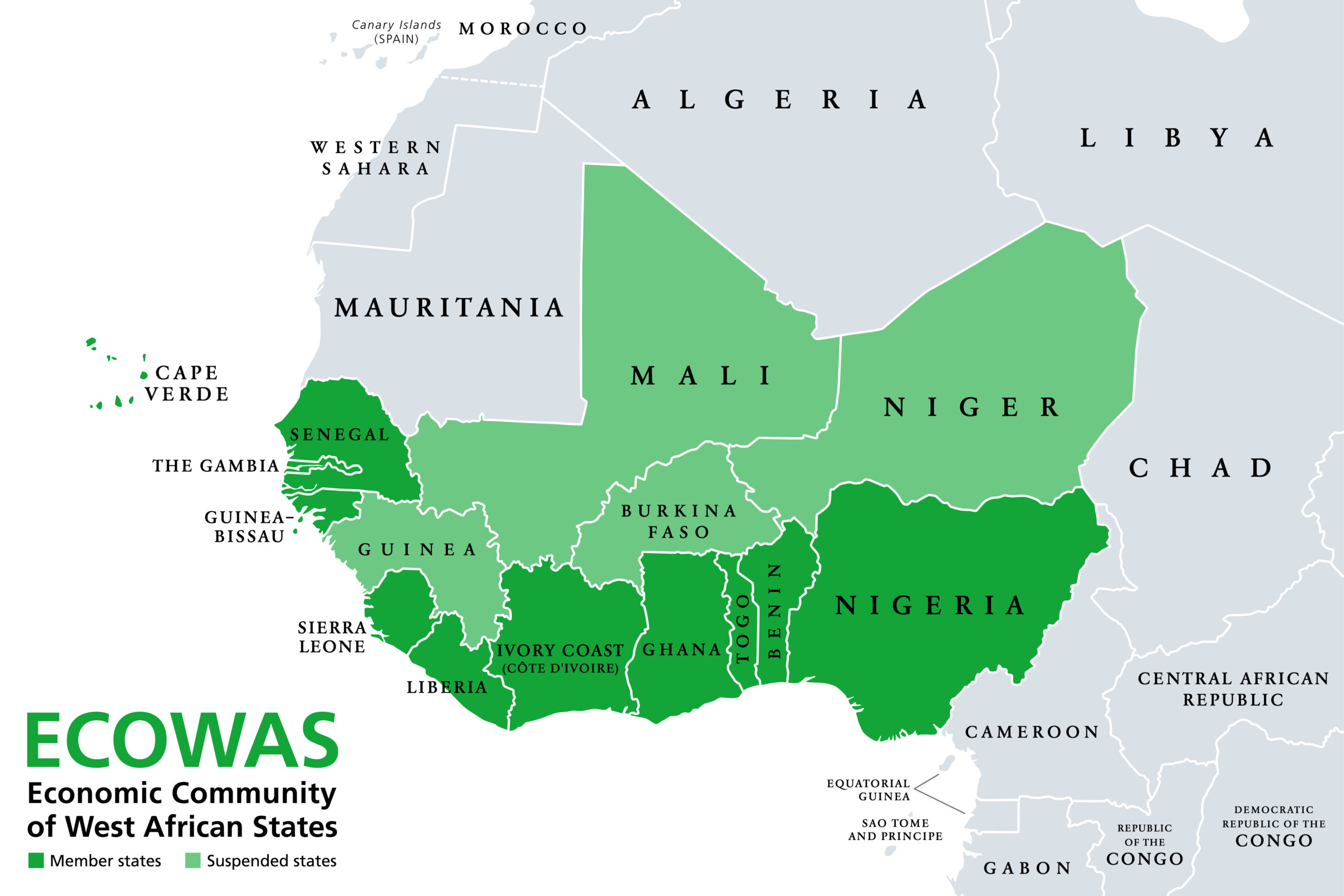
Additionally, the governance body of the pipeline, known as the pipeline higher authority, will have its headquarters situated in Abuja, Nigeria.
DON’T MISS THIS: Europe’s search for alternatives to Russian and Middle Eastern gas revives two African pipelines worth $38 billion
These entity locations are designed to oversee the immediate next steps of the project, which involve mobilizing international investors and finalizing the preparatory work needed to reach a final investment decision.
Economic impact
The goal is to establish a new economic development corridor that connects West Africa, the Sahel region, Morocco, and Europe.
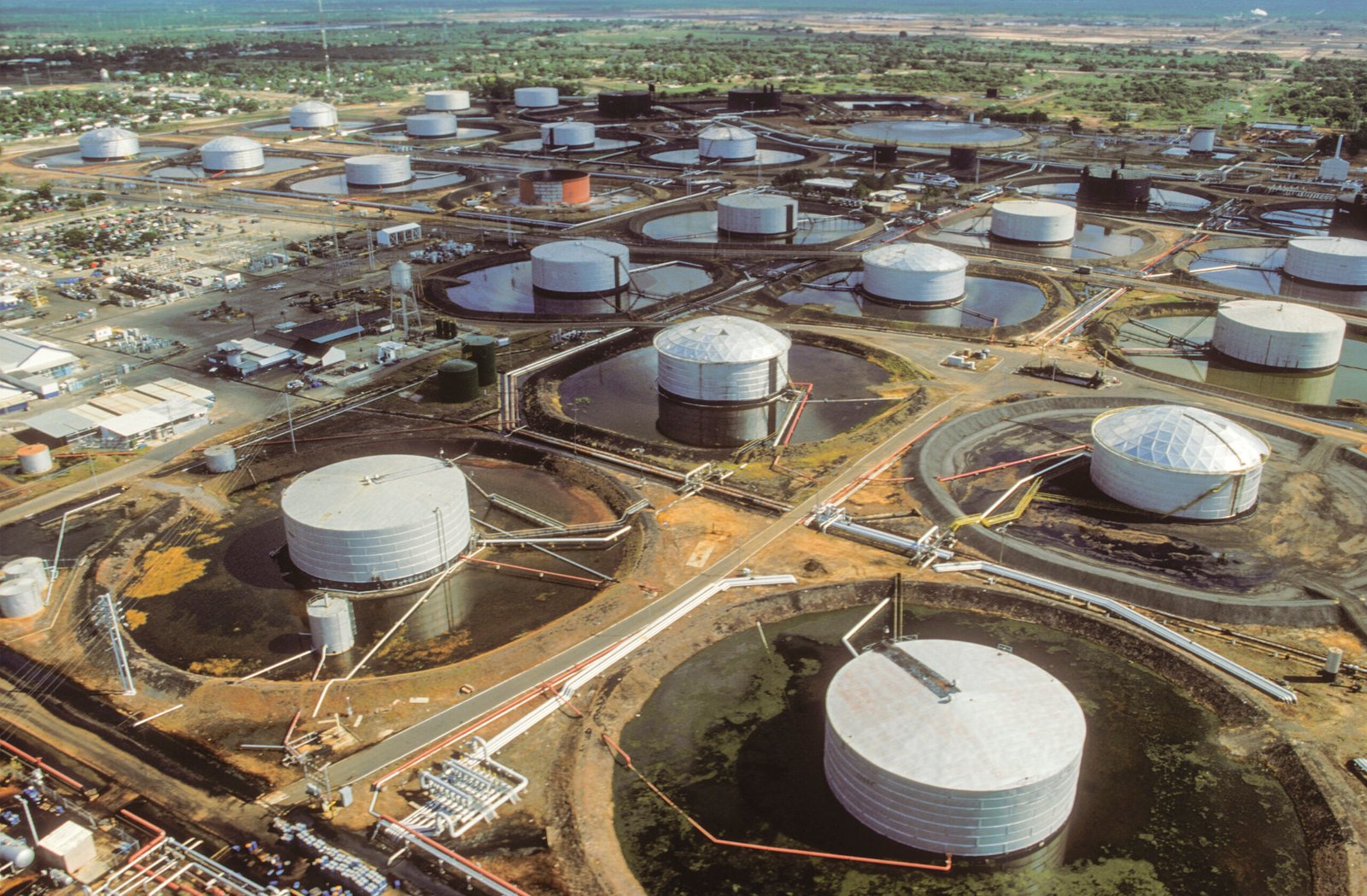
The project aims to improve regional energy security, expand access to electricity, support industrialization, and strengthen the integration of African energy markets by connecting the extensive gas resources of West Africa to major regional and international commercial centers.
DON’T MISS THIS: Nigeria–Morocco pipeline project powers new vision for Africa’s energy unity
The former chairman of the economic community of West African states, Julius Maada Bio from Sierra Leone, in a statement published by Vanguard, remarked that “We have already signed the West Africa-Morocco gas pipeline .” He then added that regional stakeholders should not be surprised when the gas comes their way.
It’s worth noting that a joint statement by Morocco’s national office of hydrocarbons and mines and the Nigerian National Petroleum Company Limited noted that the initiative will strengthen African energy markets and create opportunities for development.