






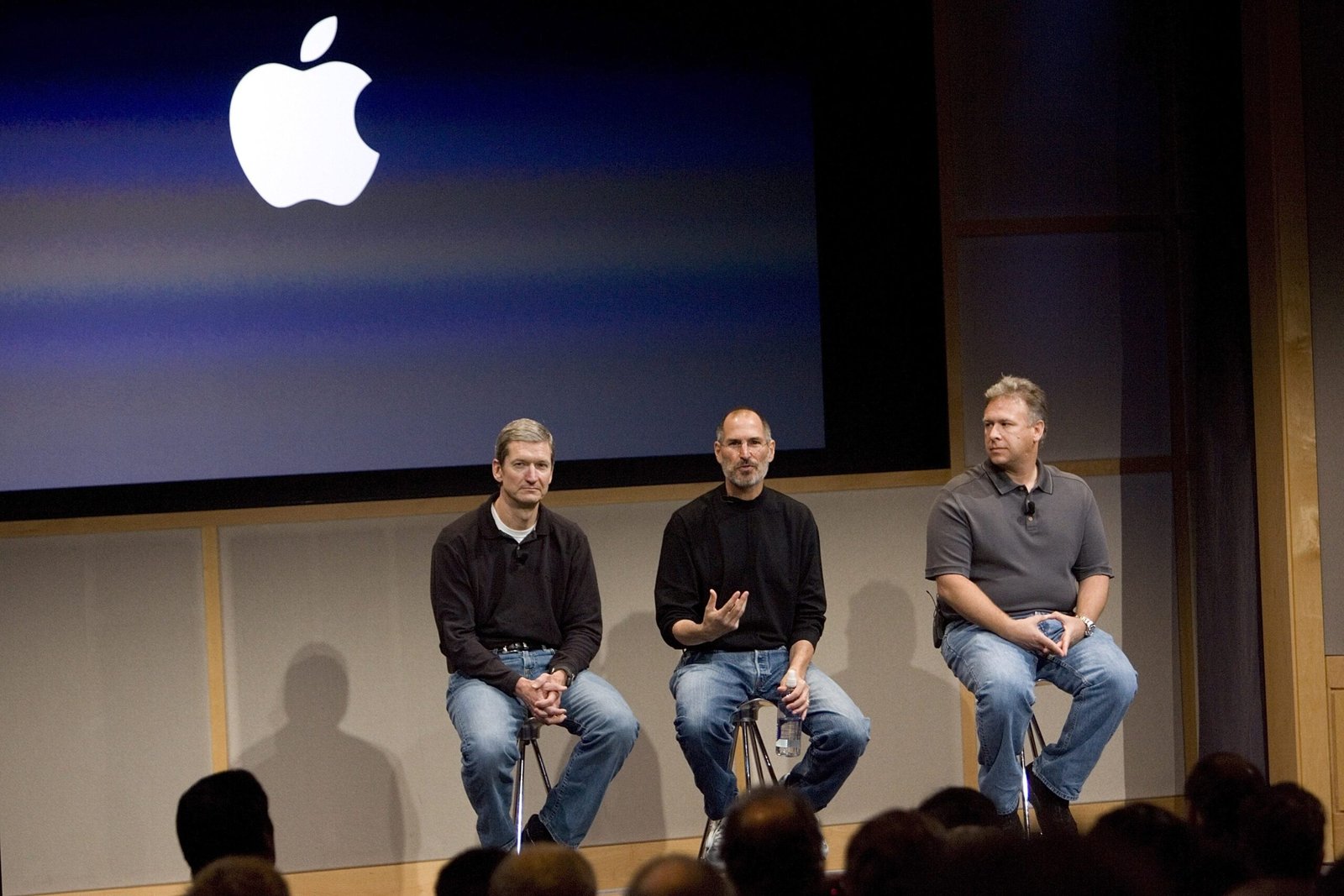
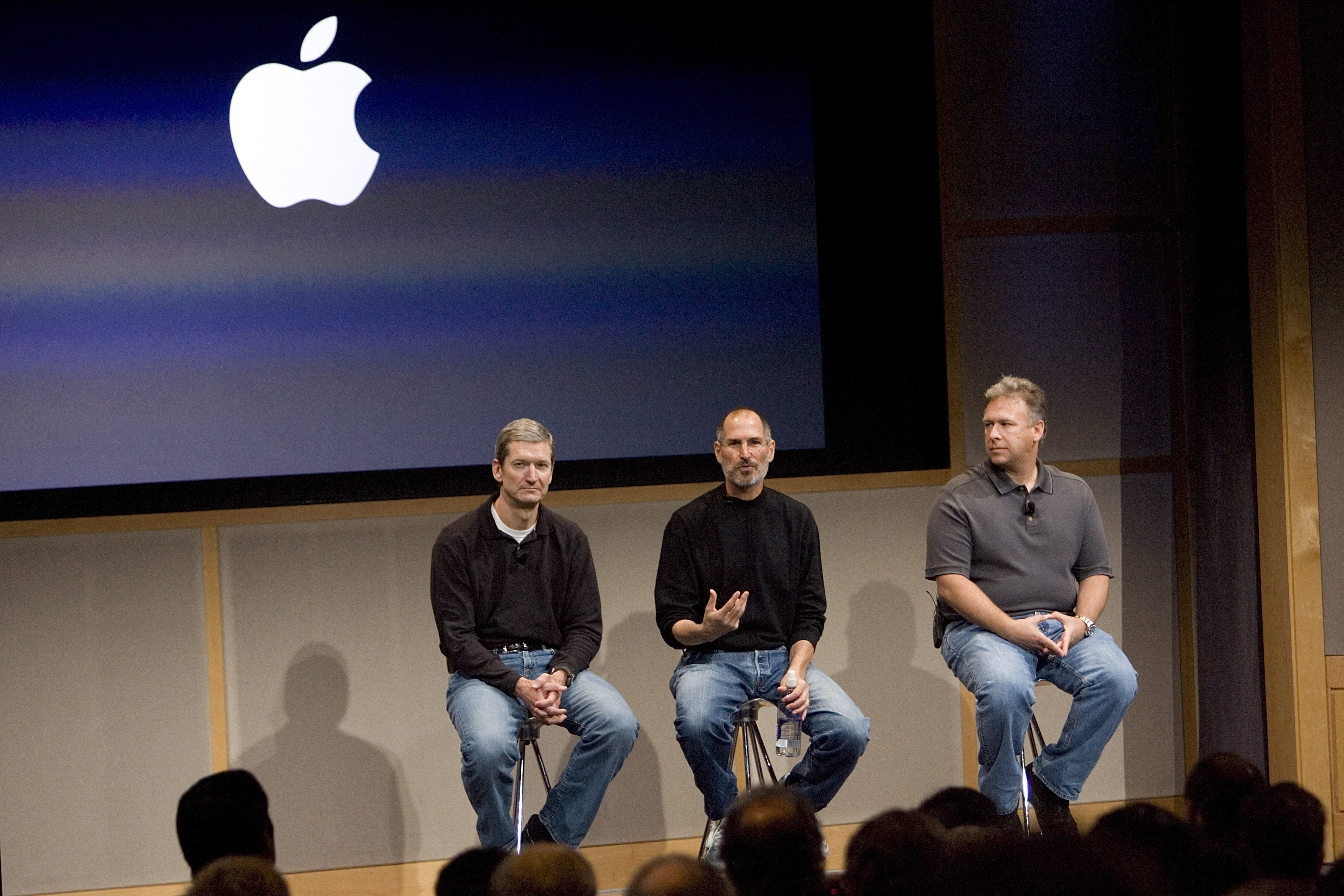
Apple overtook Nvidia on Friday, July 17, 2026, to reclaim its position as the most valuable company in the world.
- Apple’s market share is growing rapidly in Africa, now accounting for over 15% of smartphones.
- Apple reclaimed the title of the world’s most valuable company from Nvidia on July 17, 2026.
- Nvidia’s shares dropped by 3.5%, reducing its market cap to $4.86 trillion, while Apple’s held steady at $4.88 trillion.
- Investors are shifting focus from AI infrastructure providers like Nvidia to companies with direct consumer interfaces like Apple.
The shift occurred after Nvidia shares fell by 3.5 percent, reducing its market capitalization to approximately $4.86 trillion.
Meanwhile, Apple shares held steady, lifting the market value of the iPhone manufacturer to $4.88 trillion and marking its return to the top global spot for the first time since April of last year.
DON’T MISS THIS: Apple may have finally fixed its most embarrassing software
The change in the corporate hierarchy indicates that institutional investors are reassessing the artificial intelligence market.
Many investors are now looking beyond companies that build AI infrastructure and are focusing instead on businesses with direct consumer touchpoints.
Apple has gained 22 percent this year as Wall Street rewards its light capital spending model and consumer-focused AI strategy, while Nvidia has faced heightened volatility as the market questions the near-term profitability of massive data center investments.
Opportunities for growth in Africa
According to Statcounter Global, Apple now makes up over 15% of the smartphone market in Africa, bringing in more than $3 billion a year.
While Africa represents a vital frontier rather than Apple’s largest immediate market, the iPhone’s popularity is soaring among the continent’s youthful demography.
This puts the tech giant in direct competition with Transsion Holdings, the manufacturing powerhouse behind brands like itel, Tecno, and Infinix.
According to data from the International Data Corporation (IDC), Transsion firmly commands over 40% of the African smartphone market share.
A significant factor preventing Apple from fully capturing this booming, high-volume mass market is the inherently premium, high-cost nature of its hardware.
Consumer spending is heavily shaped by currency fluctuations and macroeconomic pressures in African countries, and the upfront cost of a brand-new iPhone remains too expensive for the average user.
Despite the costly nature of Apple devices, iPhones are booming in popularity among young Africans. As the world’s youngest continent, Africa represents a massive long-term growth engine for Apple.
The AI race
Apple was previously perceived by some market observers as lagging in the artificial intelligence race because it chose not to spend heavily on developing massive foundational models from scratch.
DON’T MISS THIS: Apple is getting serious about ads
This was so pronounced that the global financial market platform Investing.com quoted Thomas Hayes, chairman of Great Hill Capital, as saying, “Apple’s not really innovating and… they’re still behind the eight ball on A.I.”
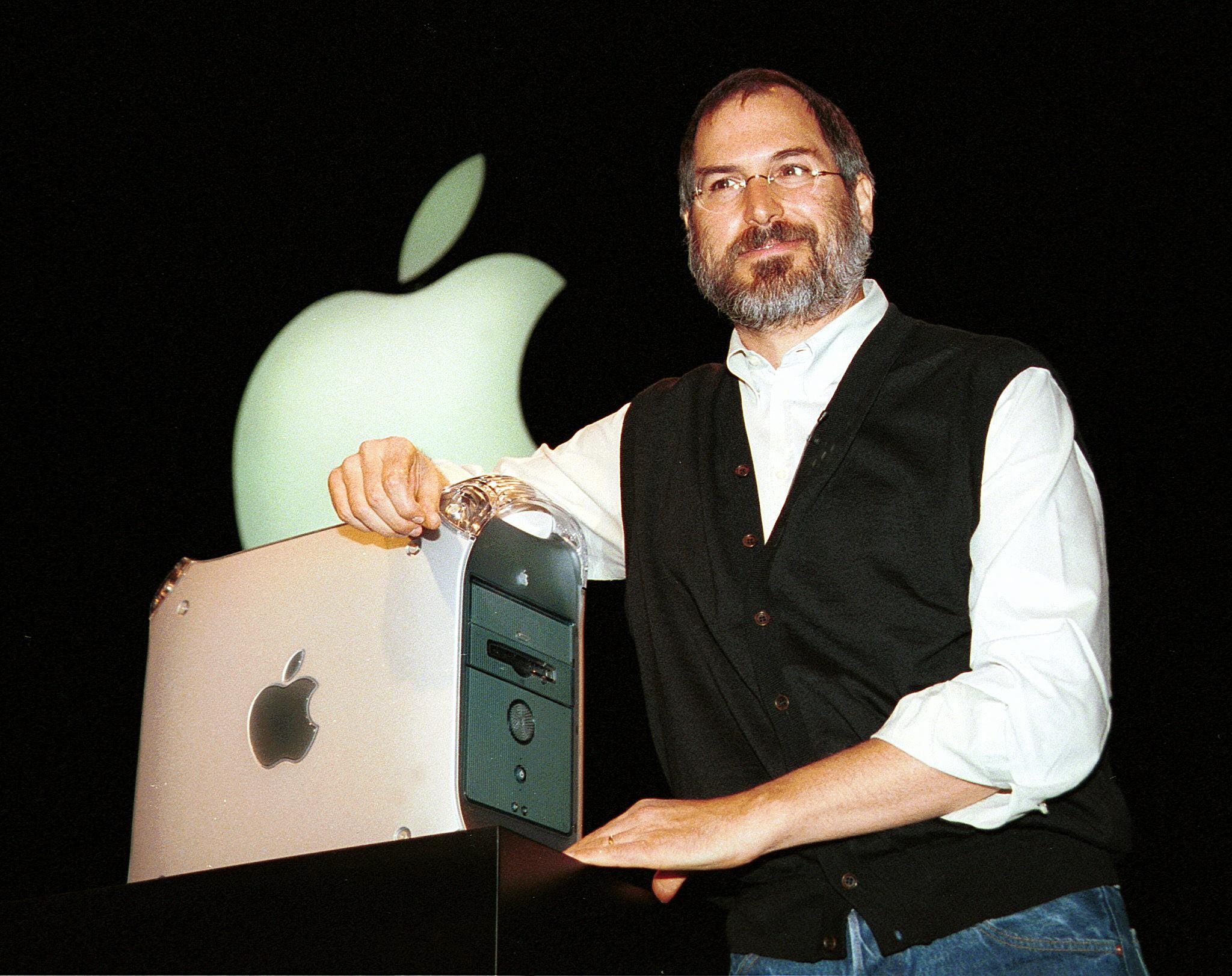
However, investor confidence has strengthened following recent updates to its product ecosystem, including a significant overhaul of its virtual assistant, Siri.
The head of investment at BRI Wealth Management, Toni Meadows, in an interview with Reuters, stated:
“Apple was seen as a laggard in the AI race because it wasn’t spending to develop models, but now sentiment has changed.”
DON’T MISS THIS: You might want to pull the trigger on that Apple purchase — the company plans to raise prices
Meadows further explained that Apple is less exposed to capital expenditure intensity and better positioned to monetize AI via services, ecosystem lock-in, and hardware upgrades.