





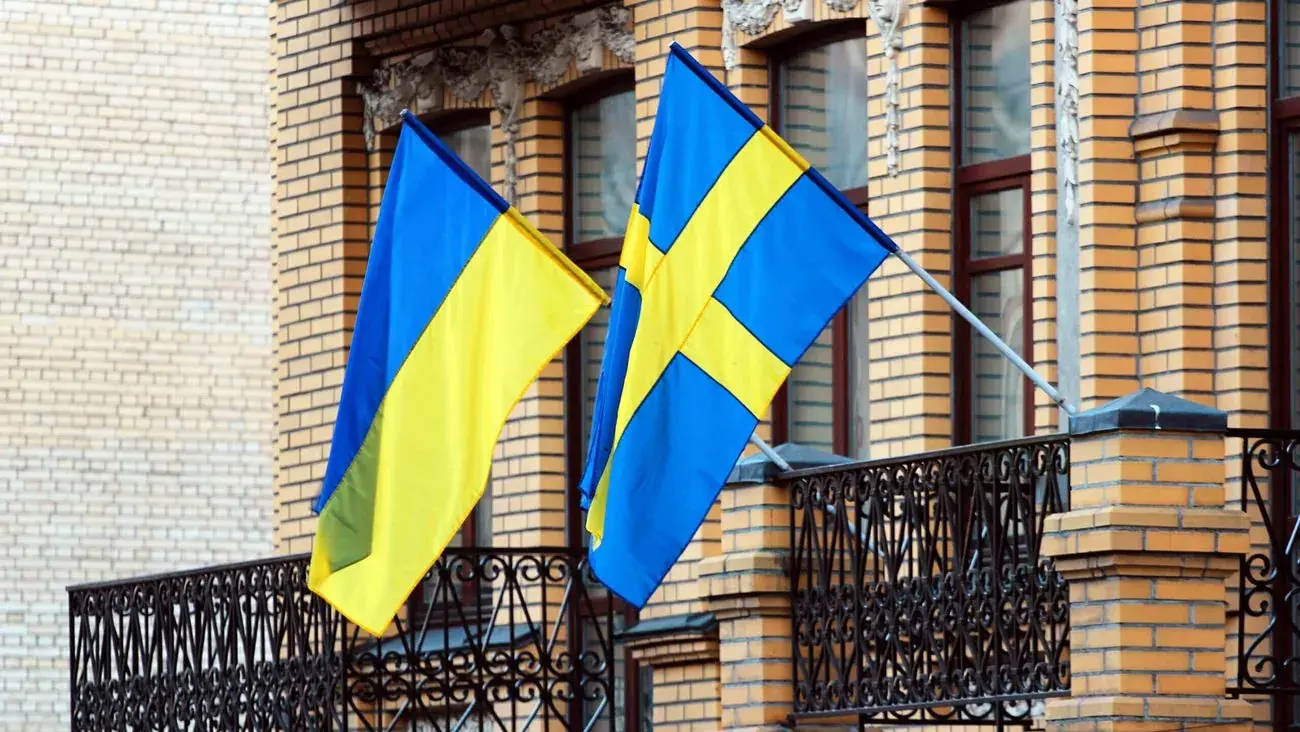
Sweden, a $760 billion European economy, has ended an 18-year development aid programme in Liberia worth SEK 5.77 billion (about $600 million) as the country redirects more of its resources towards Ukraine and a major expansion of defence spending.
- Sweden has ended its 18-year, $600 million development aid program in Liberia as of August 31.
- This move is part of Sweden’s broader strategy to redirect resources towards Ukraine and increase its own defence spending.
- Sweden plans to raise defence spending from 2.5% of GDP in 2025 to NATO’s 3.5% target by 2030.
- The withdrawal from Liberia follows Sweden’s decision to phase out aid to several countries, allowing more funds to support Ukraine.
The Scandinavian country ended its bilateral development cooperation with Liberia on August 31, closing a programme that has channelled hundreds of millions of dollars into the West African country since 2008.
According to The Guardian (UK), Sweden was an influential supporter of the Liberia’s postwar recovery and the 2014-2016 Ebola crisis response, becoming Liberia’s second-largest donor, after the US, and the biggest champion of gender equality and sexual and reproductive health and rights.
This recent decision comes as Sweden faces a sharply different spending environment after Russia’s invasion of Ukraine.
DON’T MISS THIS: 4 African countries hit as Sweden ends long-running aid programs
Stockholm has pledged to support Ukraine “for as long as it takes” while committing to significantly higher defence spending as it strengthens its role in European security.
With a $760 billion economy, Sweden is ramping up defence spending as it strengthens its military capabilities in response to Russia’s war in Ukraine. Defence spending is set to rise towards 3.5% of GDP by 2030, while the country is working towards NATO’s broader 5% target by 2035.
Why Sweden is pulling back from Liberia
The shift in priorities has already affected Sweden’s development assistance to several countries.
In December 2025, the Swedish government announced plans to phase out bilateral development assistance to Liberia, Zimbabwe, Tanzania, Mozambique and Bolivia, allowing resources to be redirected towards Ukraine.
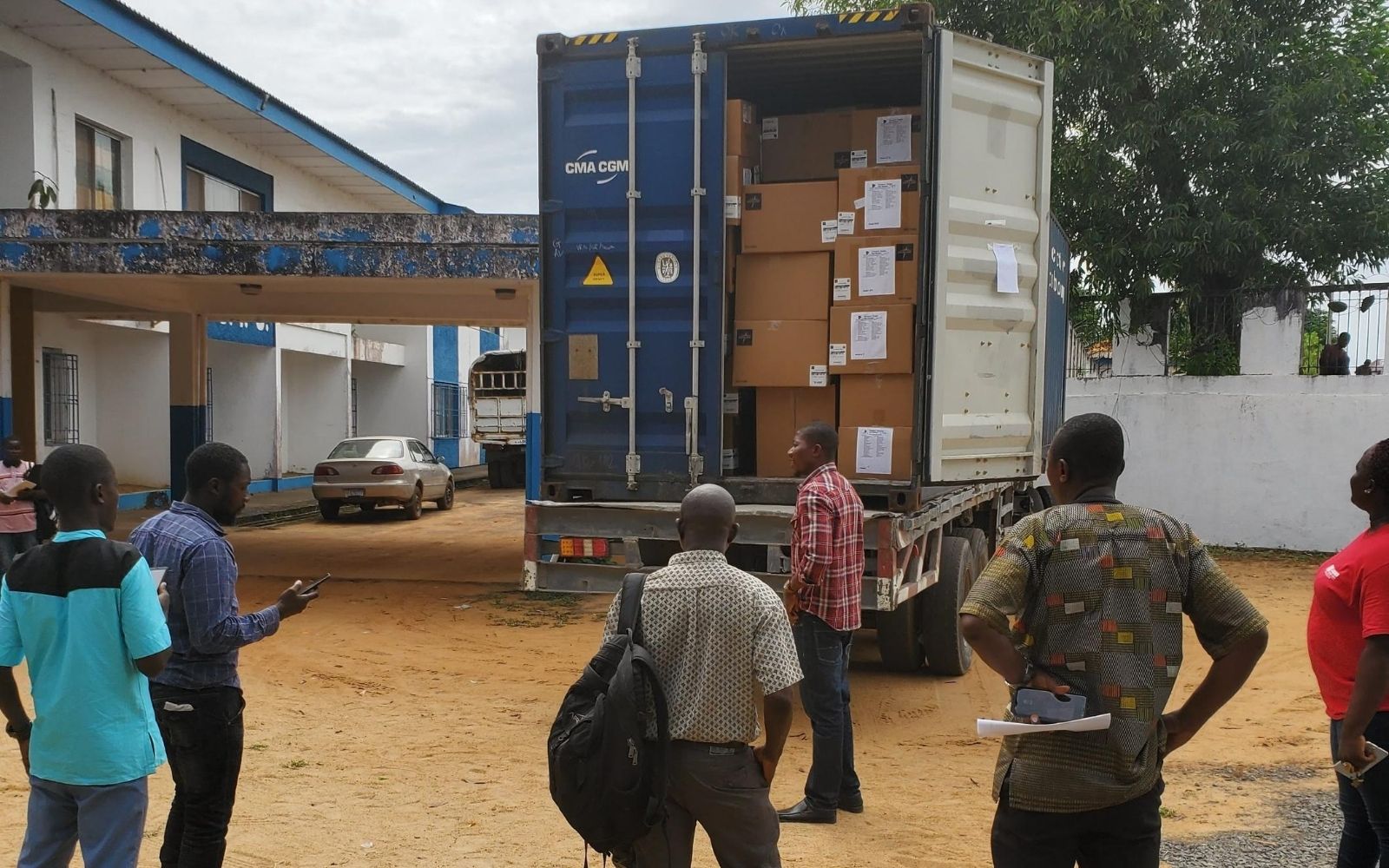
For Liberia, the withdrawal is significant. Sweden has provided about $600 million in development assistance since 2008 and has been one of the country’s most important international donors, particularly in programmes supporting women’s health, reproductive rights and efforts to combat violence against women.
Sweden’s exit comes as Liberia is also dealing with the wider pullback in Western development financing.
DON’T MISS THIS: Zambia and Sweden institutionalise strategic dialogue to boost trade, climate action, and others
The United States has cut or restructured major aid programmes under President Donald Trump, leaving African governments and humanitarian organisations searching for alternative sources of funding.
The Swedish withdrawal therefore represents more than the closure of a bilateral aid programme. It illustrates how Europe’s security priorities are increasingly competing with long-term development commitments in Africa.
As Sweden raises defence spending and channels more resources towards Ukraine, countries such as Liberia face the challenge of replacing funding from a donor that had supported its development agenda for nearly two decades.