






![UBA is offering eligible customers personal loans of up to N30 million to participate in the Dangote Refinery IPO. [Peoples Gazette]](https://ocdn.eu/pulscms/MDA_/772d5351d5bab9ce9f395ac8273f71b4.png)
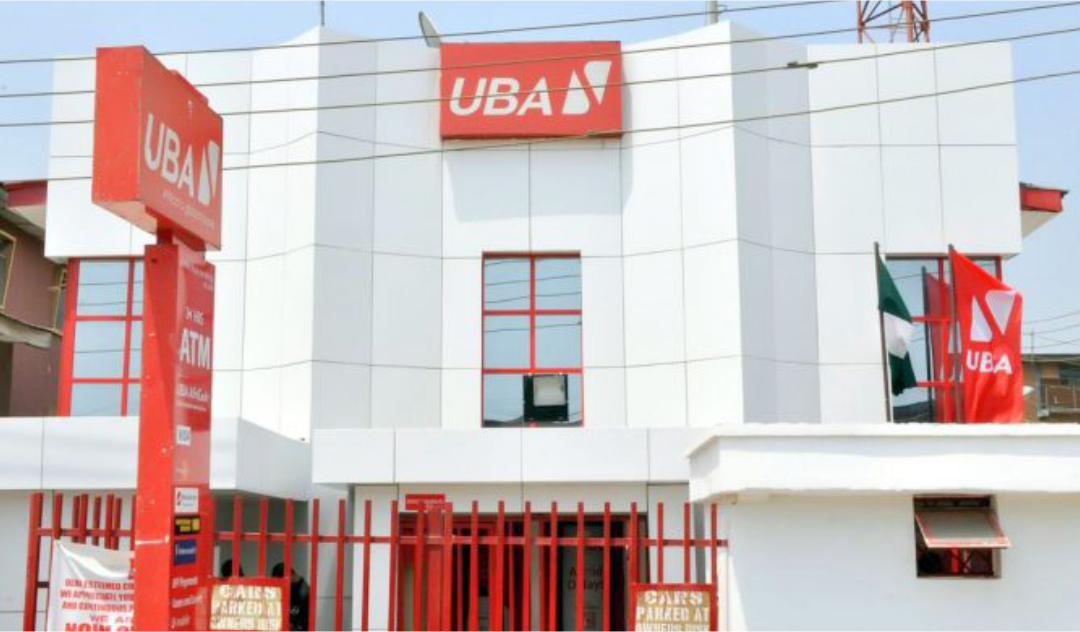
United Bank for Africa is offering Nigerian customers personal loans of up to N30 million, approximately $20,000, to invest in Aliko Dangote’s record $1.6 billion refinery initial public offering.
- UBA is offering Nigerian customers personal loans of up to N30 million to invest in Dangote Refinery’s $1.6 billion IPO.
- The facility could help more retail investors participate in Africa’s largest-ever share sale, amid strong demand for the offering.
- Investors can buy Dangote Refinery shares from N5,250, but borrowers must repay the loan and interest regardless of the shares’ performance.
- The IPO values the refinery at up to $50 billion and will help fund its planned expansion and other infrastructure projects.
The financing arrangement adds another channel through which Nigerian retail investors can participate in Africa’s largest-ever share sale, which has already attracted enough interest to overwhelm several investment platforms.
The bank promoted the facility in an email sent to their customers who may require additional funds to purchase shares.
The bank said customers could obtain as much as N30 million through its existing personal-loan product.
UBA’s official product information shows that the facility is primarily designed for salary earners.
DON’T MISS THIS: ₦2.15 trillion is on the table for Nigerians as Dangote Refinery sounds the gong on 4.1 billion new ordinary shares
Applicants generally need evidence of salary payments and recent bank statements, while the interest rate can change with money-market conditions. The maximum amount available also depends on the borrower’s employment category and eligibility.
UBA has not announced a separate subsidised interest rate, repayment period or special risk protection for customers borrowing specifically to purchase Dangote shares.
The distinction is important because shares can rise or decline after listing, while borrowers remain responsible for repaying the loan and its interest.
Dangote Petroleum Refinery is offering 4.1 billion ordinary shares at N525 each, seeking about N2.15 trillion, or $1.6 billion.
The offering values the company at approximately $47 billion to $50 billion, depending on the exchange rate and valuation method used. It is expected to close on 13 October, with trading on the Nigerian Exchange scheduled to begin in November.
DON’T MISS THIS: Africa’s largest refinery is going public. Here’s how to buy its shares for about $4
Investors can subscribe for a minimum of 10 shares, costing N5,250. At the offer price, UBA’s maximum N30 million loan would theoretically purchase about 57,140 shares before bank charges, interest and other transaction costs.
The low minimum investment is part of Dangote’s attempt to attract millions of retail investors and broaden African ownership of the refinery.
Demand has already tested Nigeria’s digital investment infrastructure. Platforms including Bamboo, Cowrywise and InvestNaija experienced service disruptions after traffic surged when the offer opened.
DON’T MISS THIS: Africa’s richest man says refinery shares could rise nineteenfold, but that would value the company near $1 trillion
Dangote’s refinery began production in 2024 and currently processes about 700,000 barrels per day. It has reduced Nigeria’s reliance on imported petroleum products while becoming an important supplier of diesel and aviation fuel to African and European markets.
The company plans to increase capacity to 1.4 million barrels per day by 2029. Proceeds from the IPO will support that expansion and other infrastructure, including storage facilities and the group’s proposed refinery development in Kenya.
The refinery reported a net profit of $1.82 billion from more than $13 billion in revenue during the first half of 2026, benefiting from disruptions to fuel exports from the Middle East.
However, some analysts have questioned the valuation, the relatively small proportion of the company being offered to the public and the risks confronting investors after the initial excitement.
UBA’s loan offer could widen participation further, particularly among salaried Nigerians who do not have enough immediately available cash. It also introduces an additional risk, using interest-bearing debt to purchase an asset whose future market price and dividends are not guaranteed.