





![Morocco signed the IRIFI letter of intent with Harmattan AI on 7 October.[Harmattan AI]](https://ocdn.eu/pulscms/MDA_/31af905d200167b8b6921e935183a444.jpg)
Morocco has signed a letter of intent with French defence company Harmattan AI to develop and produce a long-range autonomous strike system, advancing its ambition to manufacture more military technology locally.
- Morocco has signed a letter of intent with France’s Harmattan AI to develop the IRIFI strike system.
- The company describes a drone designed for missions at ranges of up to 2,000 kilometres.
- Critical technology is intended to be developed and produced in Morocco.
- The agreement does not disclose an order quantity, purchase price or delivery timetable.
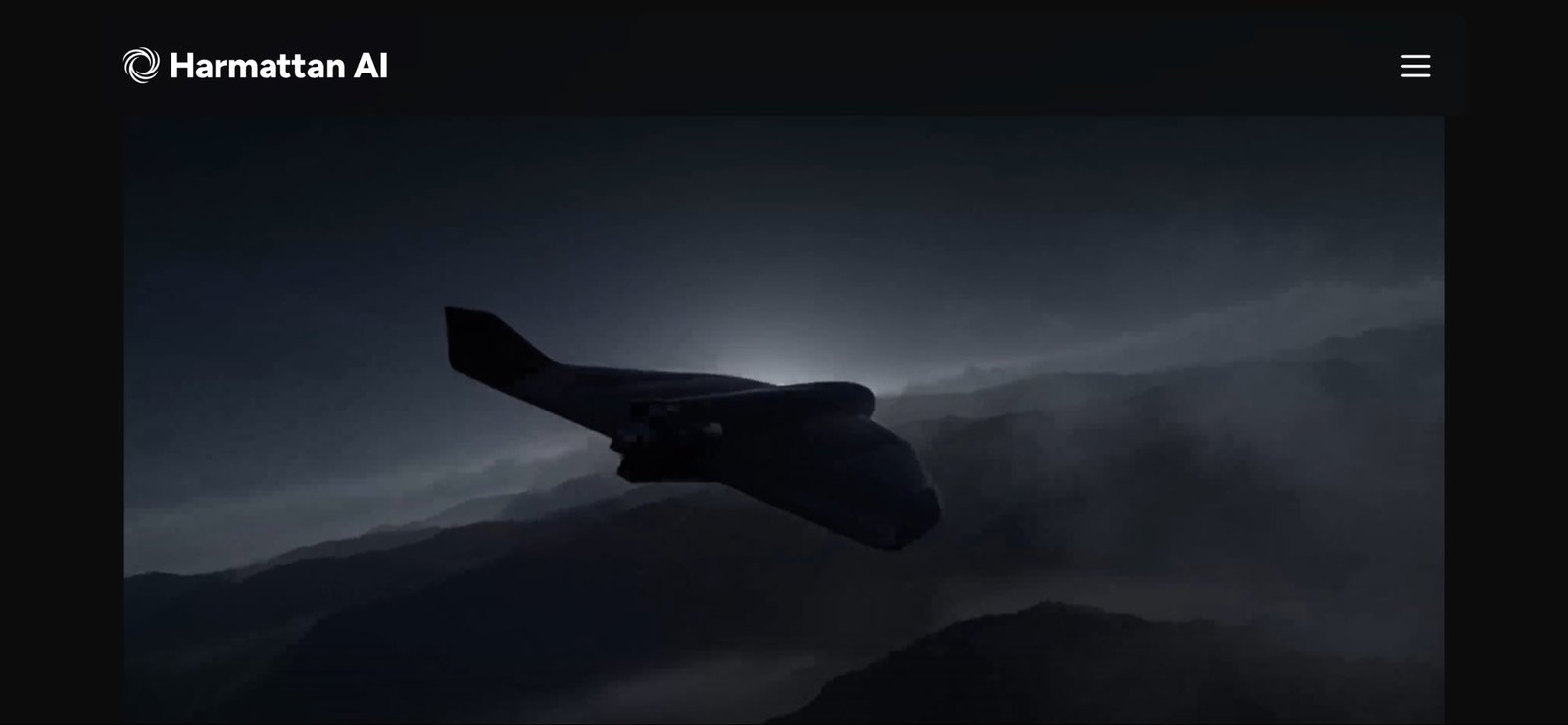
The agreement was signed on 7 October during the Marrakech Air Show and concerns IRIFI, a system designed for missions at ranges of up to 2,000 kilometres.
The programme would place the development and production of critical technological components in Morocco, with Moroccan personnel expected to play a central role.
Harmattan says the system is designed to execute an approved mission without continuous human control and without depending on satellite navigation.
Those specifications describe the manufacturer’s intended capabilities. They are not independently verified evidence that Morocco already operates the system.
![Harmattan describes IRIFI as designed for missions at ranges of up to 2,000 kilometres. [Harmattan AI]](https://ocdn.eu/pulscms/MDA_/49b7d8fa721994aa1557e35828a65a32.jpg)
According to Le Desk’s reporting on the signing, the letter covers acquisition, development and production in Morocco. Harmattan’s technical announcement sets out the claimed range and operating design.
Autonomous flight, human-approved targets
Harmattan says commanders designate authorised targets and set mission parameters before launch. The system then carries out the mission within those boundaries.
Its proposed navigation combines operation without satellite-positioning signals and optical guidance near the target. The company presents that approach as suitable for environments where communications or satellite navigation may be disrupted.
The payload has not been disclosed. Neither the announcement nor the reporting reviewed establishes a purchase price, confirmed order size or delivery date.
Building technology inside Morocco
A company statement carried by Defense Arabia says critical components will be developed and produced in Morocco, mostly by Moroccan talent.
The programme builds on a partnership signed in June 2026 with Morocco’s defence administration and armed forces, including plans for a research and development centre in Rabat.
The commercial significance lies in the work Morocco hopes to retain: research, engineering, production and testing, alongside the equipment itself.
That approach is also reflected in a separate Harmattan agreement covering counter-drone technologies. Hespress reported that it includes research, manufacturing, integration and testing involving several Moroccan ministries.
Local reporting puts potential annual capacity for the wider industrial platform at 55,000 autonomous defence systems. That is a planned capacity across the platform, not a confirmed order for 55,000 IRIFI strike drones.