






South Africa has withdrawn a directive governing the intake of asylum applications after anti-migrant protests in Johannesburg and Durban turned violent, exposing growing tensions between immigration enforcement and refugee protection.
- South Africa has withdrawn a directive on asylum applications after violent anti-migrant protests in Johannesburg and Durban.
- The unrest was fueled by a court ruling that broadened access to the asylum process, leading to attacks and looting targeting migrants.
- The July 7 Constitutional Court judgment protected asylum seekers’ right to have their claims assessed, regardless of how they entered the country.
- The department’s attempt to implement the court’s order quickly overwhelmed refugee reception offices and posed threats to public safety.
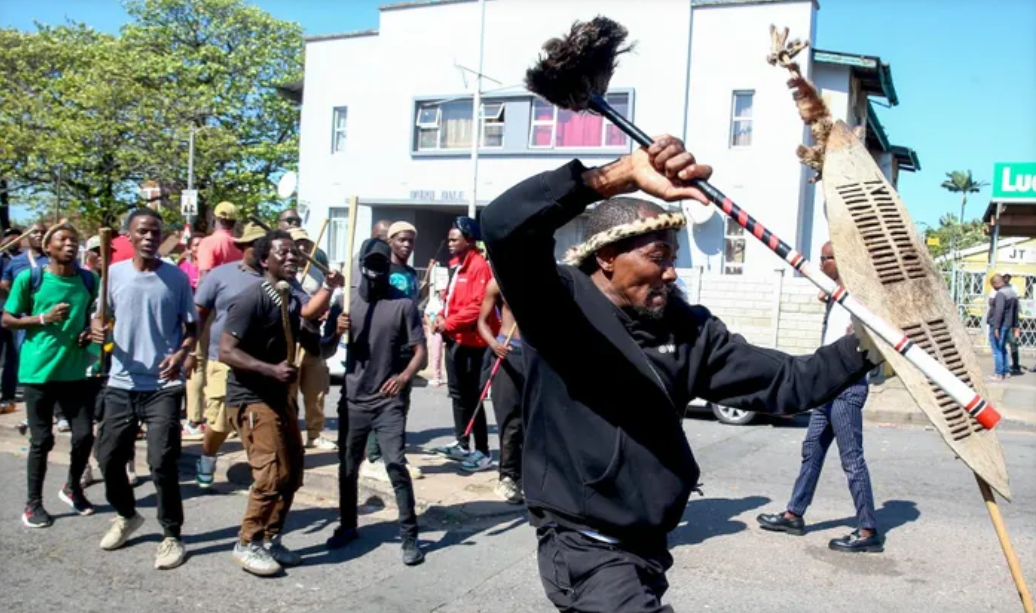
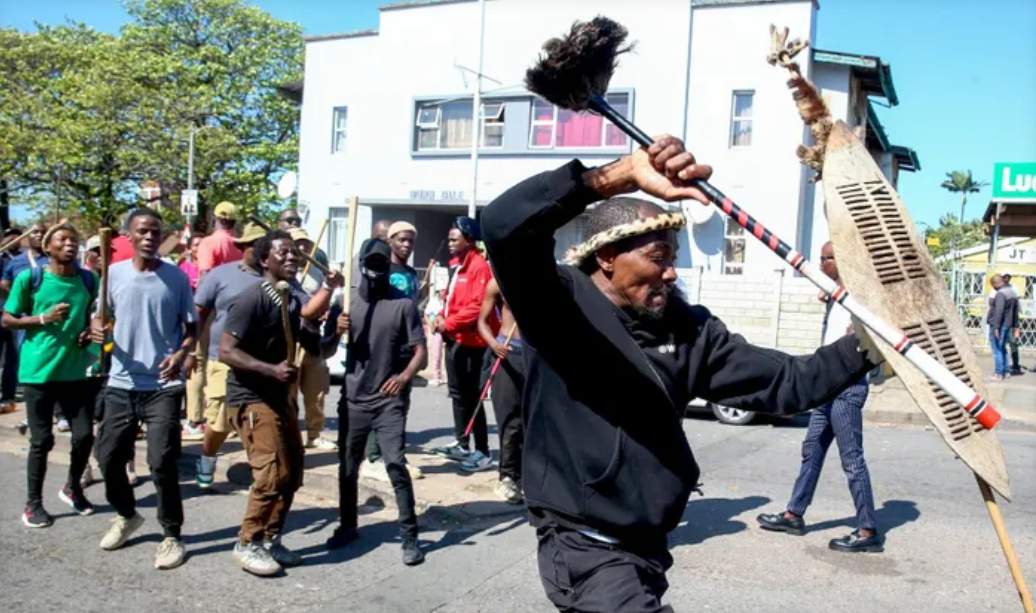
The withdrawal followed escalating protests over the Constitutional Court’s asylum ruling, which turned violent in Johannesburg’s Soweto township and Durban on October 8.
Police reported that 24 vehicles were torched across the two cities, while foreign-owned shops were looted as demonstrators demanded tougher action against undocumented migrants.
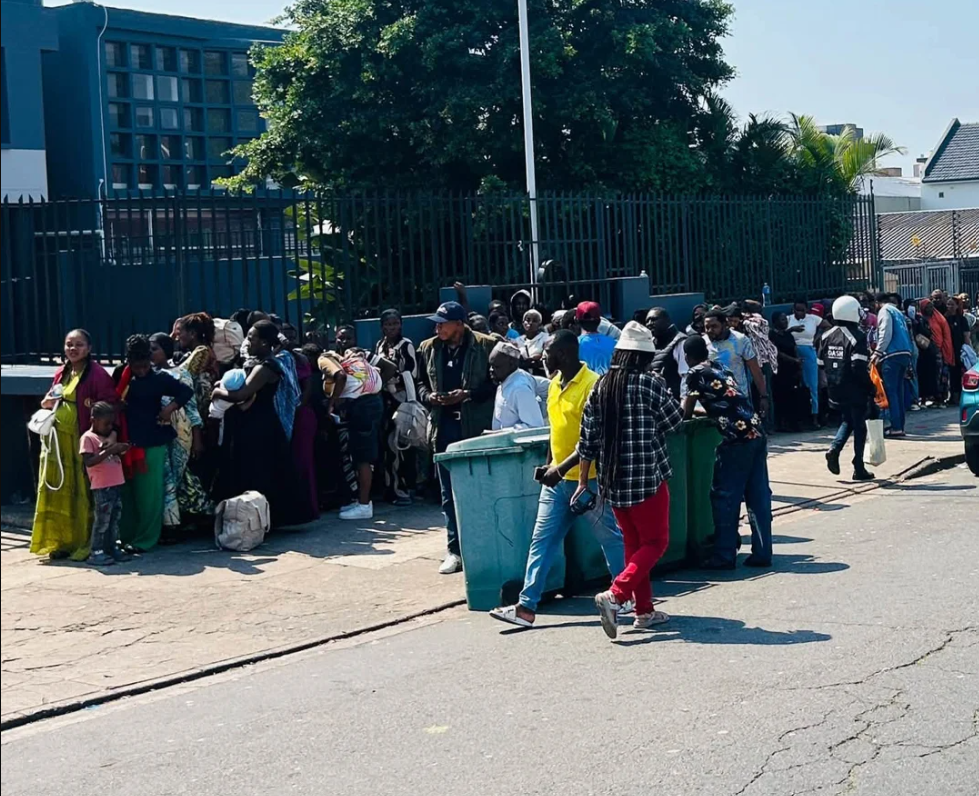
The unrest coincided with mounting pressure on refugee reception centres following a Constitutional Court ruling that widened access to the asylum process.
On Friday, October 9, Home Affairs Minister Leon Schreiber told Newzroom Afrika that the consequences of the court order for refugee reception centres and surrounding communities could not have been foreseen.
He said the department had “shifted its position” and withdrawn the directive when the “facts shifted.”
Court ruling exposes pressure on South Africa’s asylum system
The dispute stems from a July 7 Constitutional Court ruling in the Scalabrini Centre of Cape Town case. The court ruled that asylum seekers could not be denied access to the asylum process solely because they entered South Africa irregularly, lacked an asylum transit visa or failed to report to an immigration officer within the prescribed five-day period.
The judgment did not automatically grant refugee status or permanent residence. Instead, it protected asylum seekers’ right to have their claims assessed rather than being excluded solely on procedural grounds.
The Department of Home Affairs issued the directive on September 28 to help implement the ruling.
However, in a statement issued on October 9, the department said the implementation attempt had resulted in serious operational consequences.
“The RROs [Refugee Reception Offices] operations were overwhelmed within a matter of days since the directive was issued,” said Thulani Mavuso, the department’s spokesperson and Deputy Director-General for Operations, in the statement.
Mavuso said Home Affairs officials had also been placed at risk and that “serious threats to public safety and order had emerged.”
The statement clarified that the directive was issued by the department’s director-general as an operational measure, without the knowledge of Schreiber or any other political office-holder. It rejected claims that the directive was politically motivated, noting that the department had opposed the underlying Constitutional Court case.
“With these new facts now at hand, the Department will embark on a fresh process to determine the most appropriate operational approach to ensure compliance with the Constitutional Court’s order,” Mavuso said.
The withdrawal does not overturn the court’s judgment. Home Affairs must now develop a workable approach to processing asylum applications while managing pressure on reception centres and complying with the court’s ruling.