






The Coca-Cola Company has raised its full-year profit and cash-flow forecasts after reporting $13.4 billion in quarterly revenue, with stronger sales and market-share gains in Nigeria contributing to its global performance.
- Coca-Cola reported $13.4 billion in third-quarter revenue and raised its full-year earnings forecast.
- A campaign celebrating the company’s 75th anniversary in Nigeria reached more than 100 million consumers.
- Coca-Cola said the campaign contributed to volume growth and market-share gains in Nigeria.
- Gains in Nigeria and Morocco were outweighed by market-share losses in France and the United Kingdom.
The Atlanta-based beverage company said a campaign marking its 75th anniversary in Nigeria reached more than 100 million consumers during the third quarter of 2026.
The campaign used special packaging, Nigerian music, digital content and physical events to connect the brand with consumers. Coca-Cola said it contributed to higher sales volumes as well as value and volume market-share gains in the country.
The Nigerian performance came as Coca-Cola recorded mixed results across its Europe, Middle East and Africa division. The company gained market share in Nigeria and Morocco but lost ground in France and the United Kingdom.
According to Coca-Cola’s third-quarter results, unit sales volume across Europe, the Middle East and Africa increased by 5%, while organic revenue grew by 7%.
Operating income from the division also increased by 7%, helped by revenue growth and lower input costs. However, higher marketing and operating expenses limited the improvement.
Across the company, third-quarter revenue rose by 7% to $13.4 billion. Net income increased to $4.06 billion from $3.68 billion a year earlier, while earnings per share rose by 8% to 93 cents.
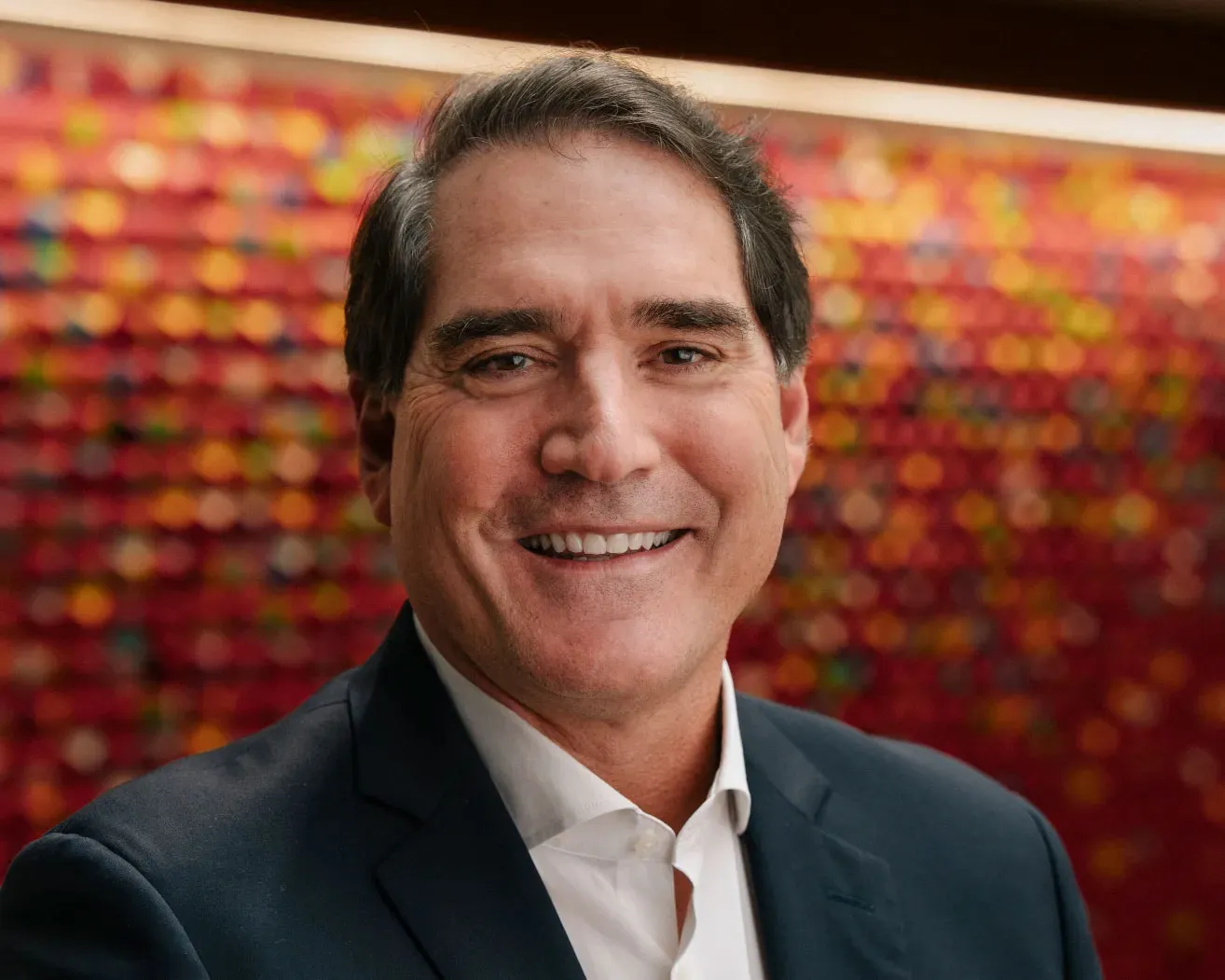
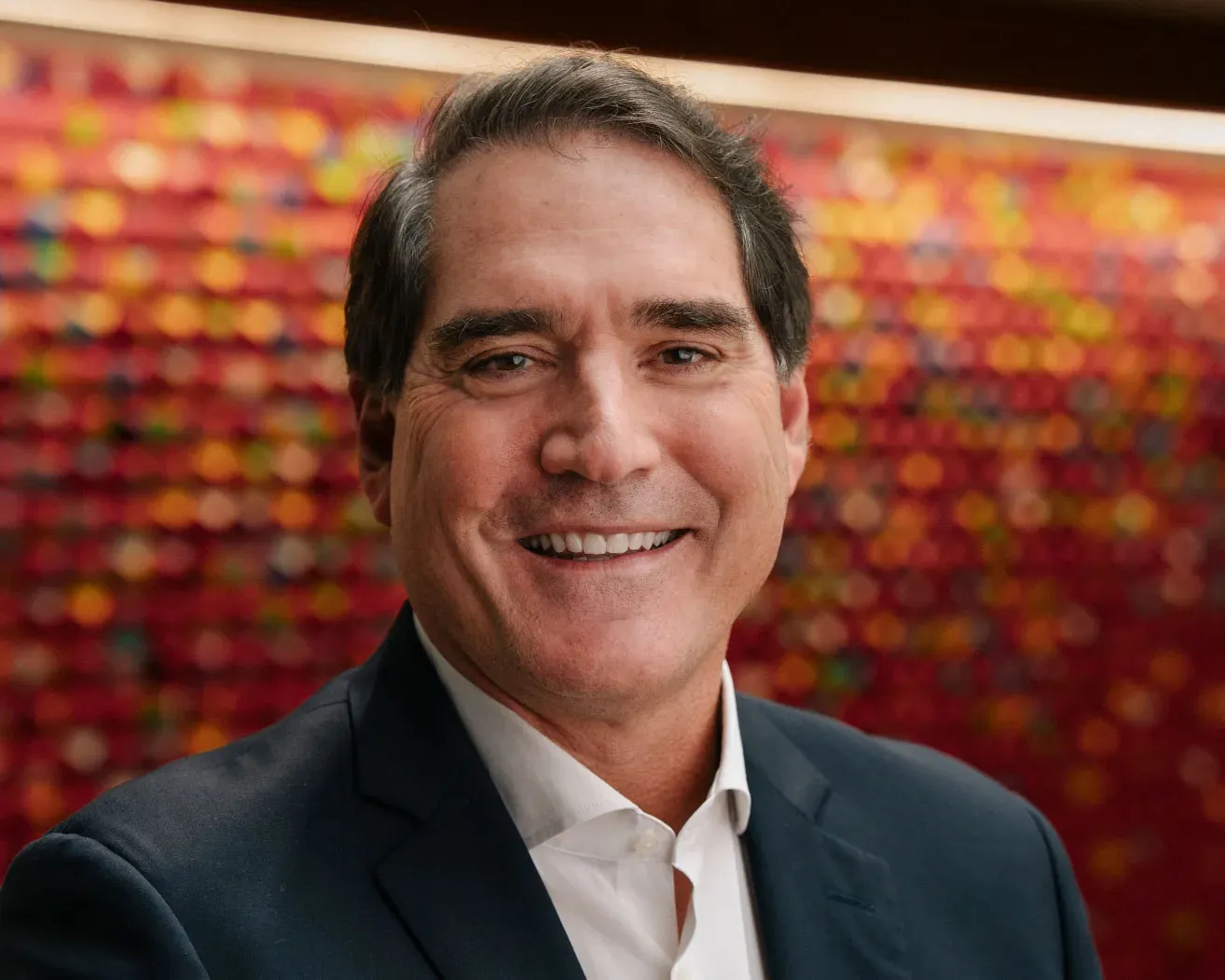
“Our results this quarter demonstrate our system’s sustained momentum,” Coca-Cola Chief Executive Henrique Braun said.
Global unit sales volume rose by 5%, led by markets including India, China, Mexico and Brazil. Volume in North America was unchanged, while the Europe, Middle East and Africa division matched the company’s overall 5% growth.
The results led Coca-Cola to increase its forecast for comparable earnings-per-share growth to at least 11%, compared with its previous estimate of between 9% and 10%.
The company also raised its expected free cash flow for 2026 to at least $13 billion, up from its previous forecast of about $12.4 billion.
Coca-Cola reshapes its African bottling business
The results come as Coca-Cola prepares to reduce its direct ownership of bottling operations across the continent.
Coca-Cola and Gutsche Family Investments agreed in 2025 to sell a 75% controlling interest in Coca-Cola Beverages Africa to London-listed Coca-Cola HBC for $2.6 billion.
The transaction values the African bottler at approximately $3.4 billion. Coca-Cola HBC will acquire the US company’s roughly 42% stake and Gutsche Family Investments’ entire holding.
Coca-Cola will retain a 25% interest, which Coca-Cola HBC will have the option to purchase within six years.
Coca-Cola Beverages Africa operates in 14 countries and accounts for about 40% of Coca-Cola products sold across the continent. The acquisition is expected to make Coca-Cola HBC the company’s second-largest bottling partner globally by volume.
Completion is expected during the fourth quarter of 2026. Coca-Cola said the disposal could reduce its comparable revenue by approximately 8% in 2027 because sales from the bottling operation will no longer be consolidated into its accounts.
The company is nevertheless continuing to commit money to African markets through its wider bottling system.
Coca-Cola and its authorised bottlers plan to invest R17.6 billion ($1.05 billion) in South Africa through 2030. Its Nigerian system also previously announced plans for an additional $1 billion investment covering production, distribution and cold-drink equipment.
The latest results suggest that African consumer markets will remain important to Coca-Cola even as it transfers greater control of production and distribution to independent bottling partners.