






British International Investment (BII), the UK’s development finance institution, plans to invest approximately £2.25 billion ($3 billion) in some of Africa’s riskiest markets over the next five years, targeting economies largely overlooked by major institutional investors.
- British International Investment (BII) will inject around £2.25 billion into Africa’s riskiest and most overlooked markets over the next five years.
- This ambitious move constitutes a quarter of BII’s planned £9 billion investment in Africa between 2026 and 2031, with a strong focus on boosting businesses and infrastructure.
- BII’s strategy involves collaborating with local partners to break down barriers that hinder funding for critical projects and to strengthen financial markets.
- The plan allocates £5 billion for direct investment and aims to mobilise an additional £4 billion from external partners, targeting sectors like power generation, transport, and digital infrastructure.
The commitment represents a quarter of BII’s planned £9 billion investment in Africa under its 2026–2031 strategy, as the institution seeks to expand access to capital for businesses and infrastructure projects across the continent.
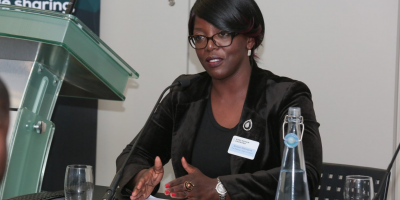
Chief Executive Officer Leslie Maasdorp said BII would work with local partners to deepen financial markets and address structural barriers preventing capital from reaching businesses and infrastructure projects.
“We are very realistic and recognize that we’re not going to get BlackRock to come and invest in Burundi or in the Democratic Republic of Congo,” Maasdorp said.
Under the strategy, BII plans to invest £5 billion directly and mobilise another £4 billion from external partners, with a focus on infrastructure and productive sectors.
The funding will support projects across power generation, ports, railways and digital infrastructure, including telecommunications towers and data centres.
Infrastructure and financial inclusion take priority
Across Africa and its other investment markets, BII has set a broader investment target of £15 billion over the next five years.
The strategy comes as development finance institutions increasingly seek to mobilise private capital for African economies, where infrastructure deficits, currency risks and limited access to long-term financing continue to constrain investment.
BII has also expressed interest in participating in an investment fund being developed by Nigeria’s sovereign wealth manager and Japan’s development agency, signalling its interest in expanding partnerships with African institutions.
The latest commitment underscores the UK’s strategy of using development finance to support businesses and infrastructure in markets where commercial investors remain reluctant to commit capital.