




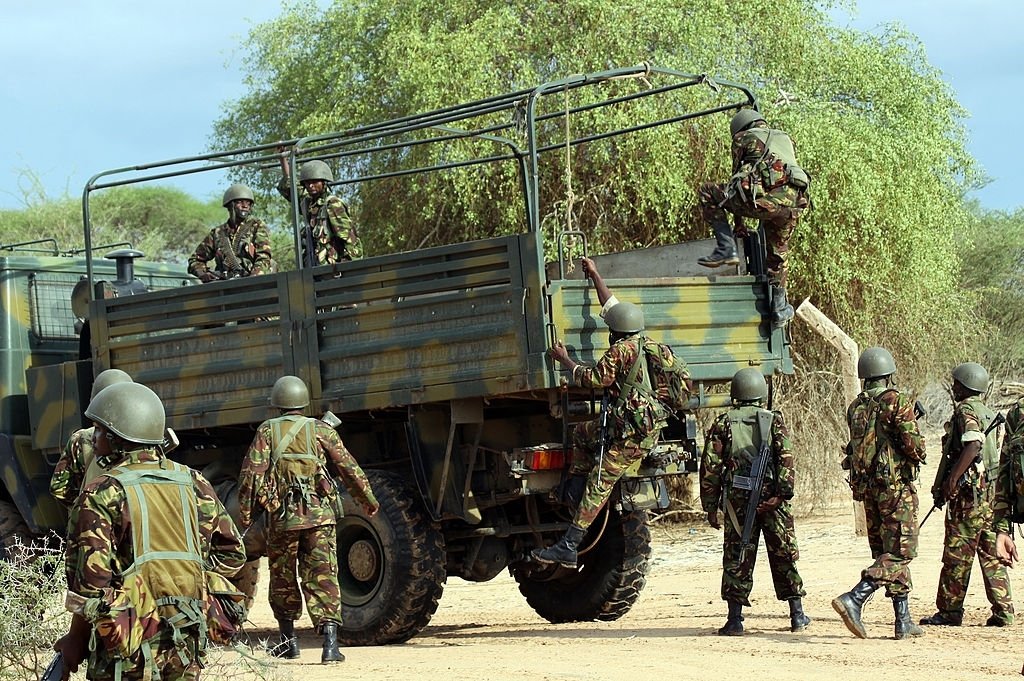
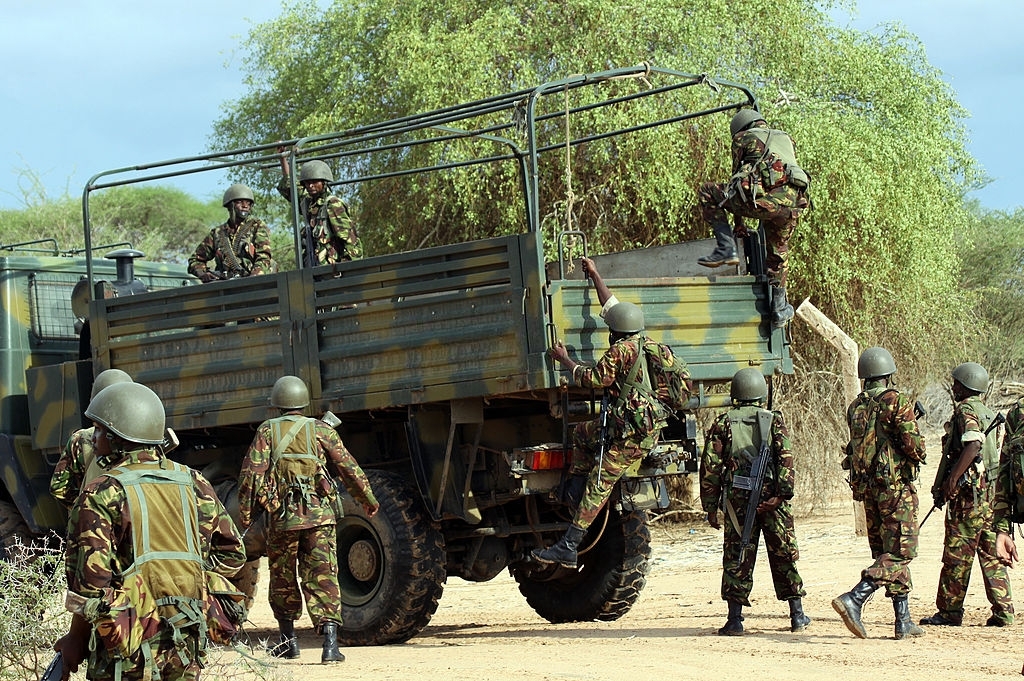
Two of Africa’s top economic powerhouses, Kenya and South Africa, recently came together to share expertise on how to deal with some of the most dangerous security threats, including chemical attacks, biological hazards, and nuclear emergencies.
- Kenya and South Africa are collaborating to improve their ability to respond to chemical, biological, and nuclear security threats.
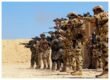
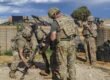
- Kenyan Defence Forces visited South Africa for hands-on training and knowledge exchange with the South African 7 Medical Battalion Group.
- The Kenyan delegation included experts responsible for developing military procedures for dealing with hazardous threats.
- The collaboration aims to strengthen each country’s emergency response, military healthcare, and overall ability to handle dangerous incidents.
A recent report shows that a delegation from the East African country of Kenya visited South Africa for security exercises that demonstrate how to deal with the aforementioned threats.
The Kenyan team, the Kenya Defence Forces, met with South Africa’s 7 Medical Battalion Group in Centurion, where South African Military Health Service (SAMHS) specialists shared their expertise with their Kenyan counterparts.
DON’T MISS THIS: Burundians, Tanzanians affected by Kenya’s sweeping immigration crackdown get 90-day grace period
The Kenyan team included members of the country’s Chemical, Biological, Nuclear and Explosive Doctrine Development Committee, responsible for developing military procedures for dealing with chemical, biological, nuclear and explosive threats.
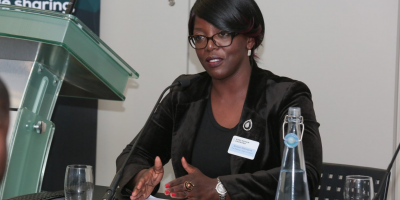
Air Force Brigadier Benedetta Margaret Kikechi, who heads research and development at Defence National Security Industries, led the specialist Kenyan delegation.
SAMHS Deputy Chief, Major General Mcebisi Mdutywa, received the visitors at the battalion’s headquarters in Lyttelton.
The meeting, which follows a training exercise in September, when military representatives from other African countries travelled to South Africa to learn how to respond to dangerous chemical incidents, is part of growing military cooperation between the two African countries.
That exercise was held in September at the Ditholo training area, north of Pretoria, with South Africa’s military health service sharing its expertise as part of a capacity-building programme linked to the Organisation for the Prohibition of Chemical Weapons (OPCW).
The 7 Medical Battalion Group handles some of the military’s most specialised medical and emergency tasks, as reported by DefenseWeb.
Its personnel are trained to identify dangerous substances, confirm the nature of a threat, and clean up areas exposed to hazardous materials.
The unit also provides medical support during special operations and handles emergencies involving military personnel in high-risk environments, including aviation, diving and combat operations.
For Kenya, the visit offered an opportunity to learn from a military unit with experience in handling these threats, while giving both countries room to strengthen cooperation in military healthcare and emergency response.