







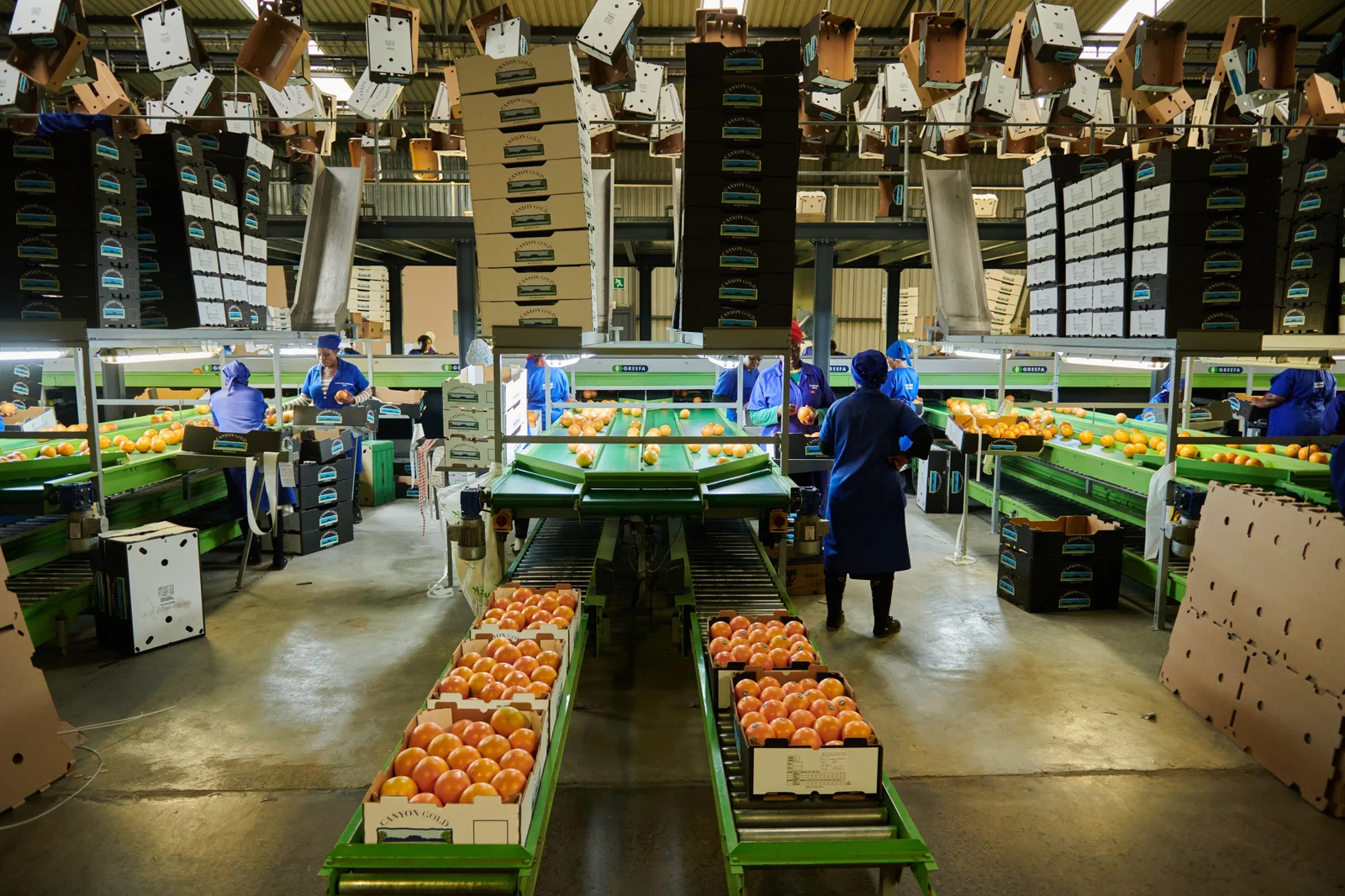
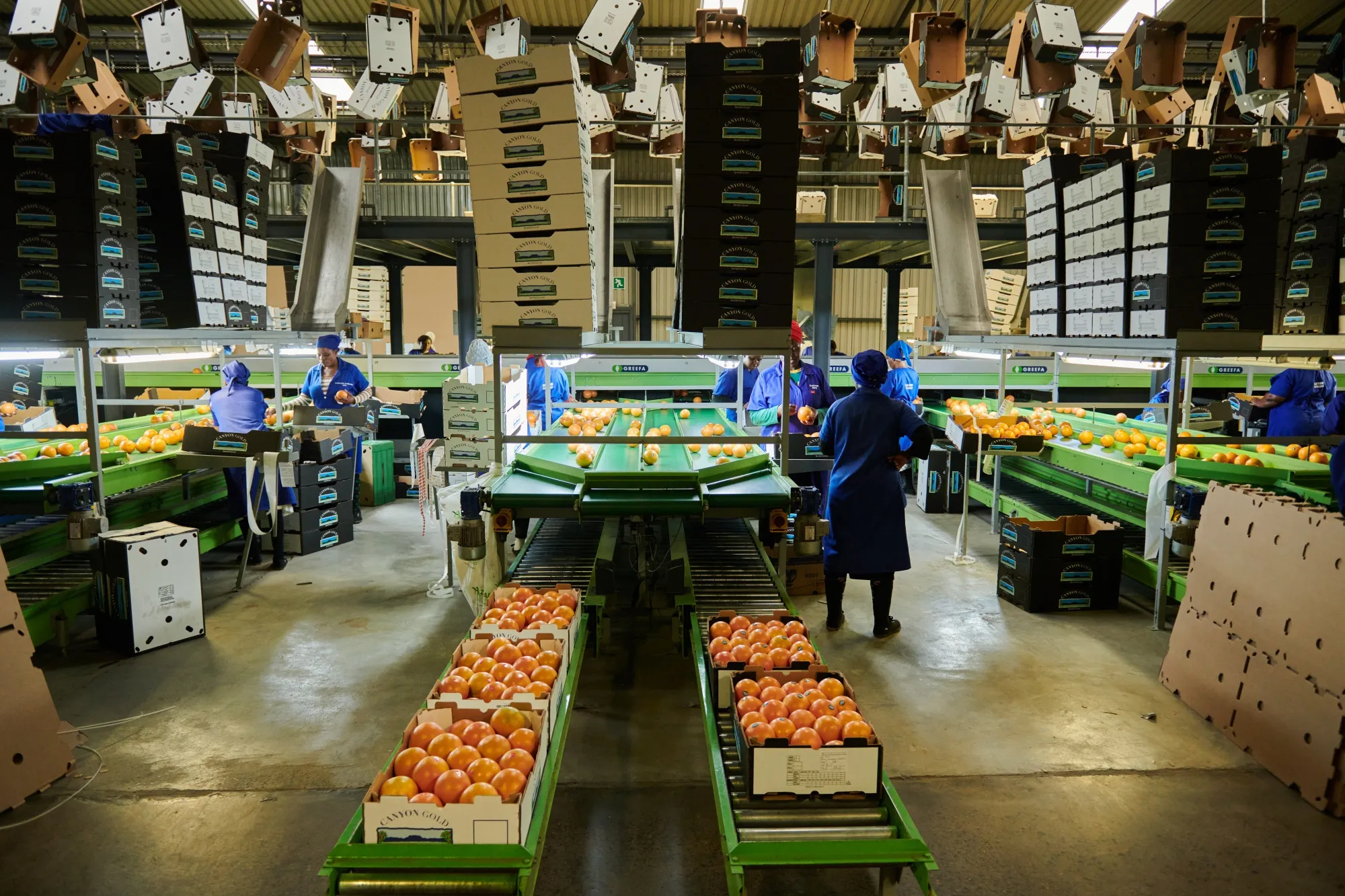
South Africa’s citrus exports declined in 2026 as disruptions linked to the US-Israeli war with Iran restricted shipments to Middle Eastern markets, while flooding damaged orchards in some of the country’s major growing regions.
- South Africa’s citrus exports dipped by 1.5% in 2026, reaching 201 million cartons, as conflict-related shipping disruptions blocked key Middle Eastern markets.
- War between the US, Israel, and Iran made it nearly impossible for exporters to reach buyers in the Middle East, forcing detours and causing container shortages.
- Devastating floods struck top citrus-growing regions in the Western and Eastern Cape, destroying orchards and further reducing export potential.
- US trade restrictions will end South Africa’s duty-free access in 2027, threatening the competitiveness of citrus shipments to the US market.
The country exported 201 million cartons of citrus during the 2026 season, down 1.5% from the 204 million cartons shipped in 2025, according to the Citrus Growers’ Association of Southern Africa (CGA).
The decline comes as South Africa, the world’s second-largest citrus exporter by value after Spain, faces growing trade and logistics challenges in some of its most important overseas markets, according to Reuters.
Citrus is the country’s biggest agricultural export, generating 44.9 billion rand ($2.7 billion) in 2025.
War disrupts a key export market
The Middle East typically accounts for about 20% of South Africa’s citrus exports, but exporters struggled to reach buyers in the region this year amid container shortages and shipping disruptions.
According to the CGA, shipments to major destinations such as Iraq and Saudi Arabia increasingly relied on longer shipping routes, complicating the movement of fresh produce.
Weather conditions added to the pressure, with flooding across the Western and Eastern Cape destroying some orchards in important citrus-producing areas.
US trade restrictions add to pressure
Exporters are also preparing for the consequences of South Africa losing preferential access to the US market under the African Growth and Opportunity Act (AGOA) from January 1, 2027.
The US market accounts for about 5% of South Africa’s citrus exports, but the removal of duty-free access could make shipments less competitive.
The broader agricultural trade relationship has already shown signs of strain. South African agricultural exports to the US fell 28% in the second quarter of 2026.
However, Africa’s largest economy still recorded a $2.14 billion agricultural trade surplus during the period, highlighting the importance of alternative export destinations as exporters navigate geopolitical disruptions and changing trade arrangements.