





Britain’s competition regulator has threatened an in-depth investigation into the proposed $65 billion combination of Unilever’s global foods business and US spice producer McCormick, placing another regulatory obstacle before one of the largest food-industry transactions ever proposed.
- Britain’s competition regulator has given Unilever and McCormick until November 18 to propose remedies for their $65 billion combination.
- The fresh regulatory decision could send the transaction into a longer Phase 2 investigation.
- Unilever’s African foods operations are within the disclosed transaction perimeter, although the UK concerns relate specifically to competition in Britain.
- The combination would create a global food company with approximately $20 billion in annual revenue.
The Competition and Markets Authority said its initial investigation found that the transaction could substantially reduce competition in Britain’s markets for dry cooking-ingredient mixes and dry sauces.
Unilever and McCormick have until November 18 to offer remedies capable of addressing the regulator’s concerns. Without an acceptable proposal, the transaction will enter a more extensive Phase 2 investigation.
The development matters beyond Britain because the transaction covers most of Unilever’s global foods business, including operations and brands sold across African markets.
According to Reuters, a deeper review could ultimately result in the combination being approved, approved subject to conditions such as asset sales, or blocked.
The UK regulator is not investigating competition in African countries. However, its decision could affect the timetable and structure of a global transaction that would bring Unilever’s African foods portfolio into a company led by Maryland-headquartered McCormick.
Knorr’s African business sits inside the transaction
Unilever and McCormick announced the transaction in March, proposing to combine brands including Knorr, Hellmann’s, McCormick, French’s, Maille, Schwartz, Cholula and Frank’s RedHot.
Official company filings exclude Unilever’s foods businesses in India, Nepal and Portugal, as well as its Lifestyle and Nutrition, Buavita and Lipton Ready-to-Drink operations. Africa is not among the excluded markets.
This means Unilever’s foods operations in African countries fall within the announced transaction perimeter, although the companies have not published a country-by-country breakdown showing exactly how locally listed subsidiaries and individual assets will be transferred.
That qualification is particularly important in Nigeria, where Unilever Nigeria is separately listed and Knorr remains one of its principal food brands. The global agreement should not automatically be described as a direct acquisition of all the shares in Unilever Nigeria without further transaction documents confirming that structure.
In South Africa, Unilever markets Knorr and Robertsons, while its food brands are also distributed across several other African markets.
Unilever said Knorr and Hellmann’s performed strongly in the Asia Pacific Africa region during the first half of 2026. The two brands account for approximately 70% of Unilever Foods’ sales globally.
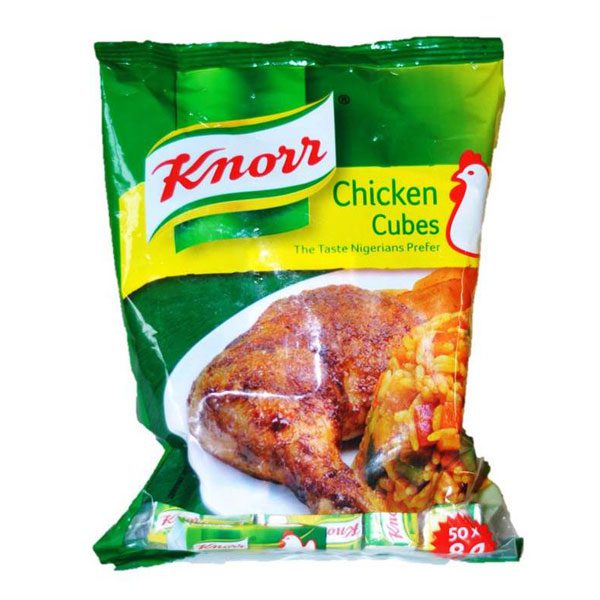
The proposed combination would consequently change the corporate home behind food products used by consumers, retailers and professional kitchens across the continent.
Why Britain is demanding concessions
The UK regulator’s concerns are limited to two British product categories.
McCormick sells dry cooking mixes and sauces under its Schwartz brand, while Unilever competes through brands including Knorr and Colman’s.
The CMA said the transaction would combine the two largest branded suppliers in the affected markets. It found that alternatives including Nestlé’s Maggi, Premier Foods’ Bisto and supermarket-owned brands would provide only limited competition.
Limited supermarket shelf space and the established position of the leading brands could also make it difficult for smaller competitors to expand, according to the regulator.
The CMA did not identify a similar problem in mustard.
It concluded that English, French and American-style mustards serve different consumer preferences. Unilever’s Colman’s and Maille brands therefore do not compete closely enough with McCormick’s French’s mustard to create the same concern.
Unilever previously placed Colman’s on the market to address anticipated competition concerns. The company said discussions with potential buyers were progressing, although analysts have suggested the regulator’s latest conclusion could alter the remedy eventually offered.
Unilever and McCormick said they were working constructively with the CMA.
Inside the $65 billion combination
The companies have described the enlarged business as a global flavour company generating approximately $20 billion in annual revenue.
The transaction assigns an enterprise value of $44.8 billion specifically to the Unilever Foods business. The approximately $65 billion figure represents the estimated value of the wider combined company—not the cash price being paid to Unilever.
Unilever is expected to receive $15.7 billion in cash, subject to adjustments.
Existing Unilever shareholders would own 55.1% of the combined company, while Unilever would retain a 9.9% stake. Existing McCormick shareholders would own the remaining 35%.
McCormick’s management would run the company from its global headquarters in Maryland. Its shares would remain listed in New York, with a planned secondary listing in London and an international headquarters in the Netherlands.
The companies expect approximately $600 million in annual cost savings by the end of the third year following completion. An additional $100 million in cost and revenue benefits would be reinvested in growth.
The transaction has already cleared an important US regulatory waiting period, but still requires McCormick shareholder approval and other regulatory clearances.
Completion remains targeted for mid-2027.
Britain’s decision does not end the combination. It does, however, give the companies one week to decide which brands or assets they are prepared to surrender to prevent a longer investigation into a transaction that would reshape the ownership of major food brands sold around the world—including across Africa.