





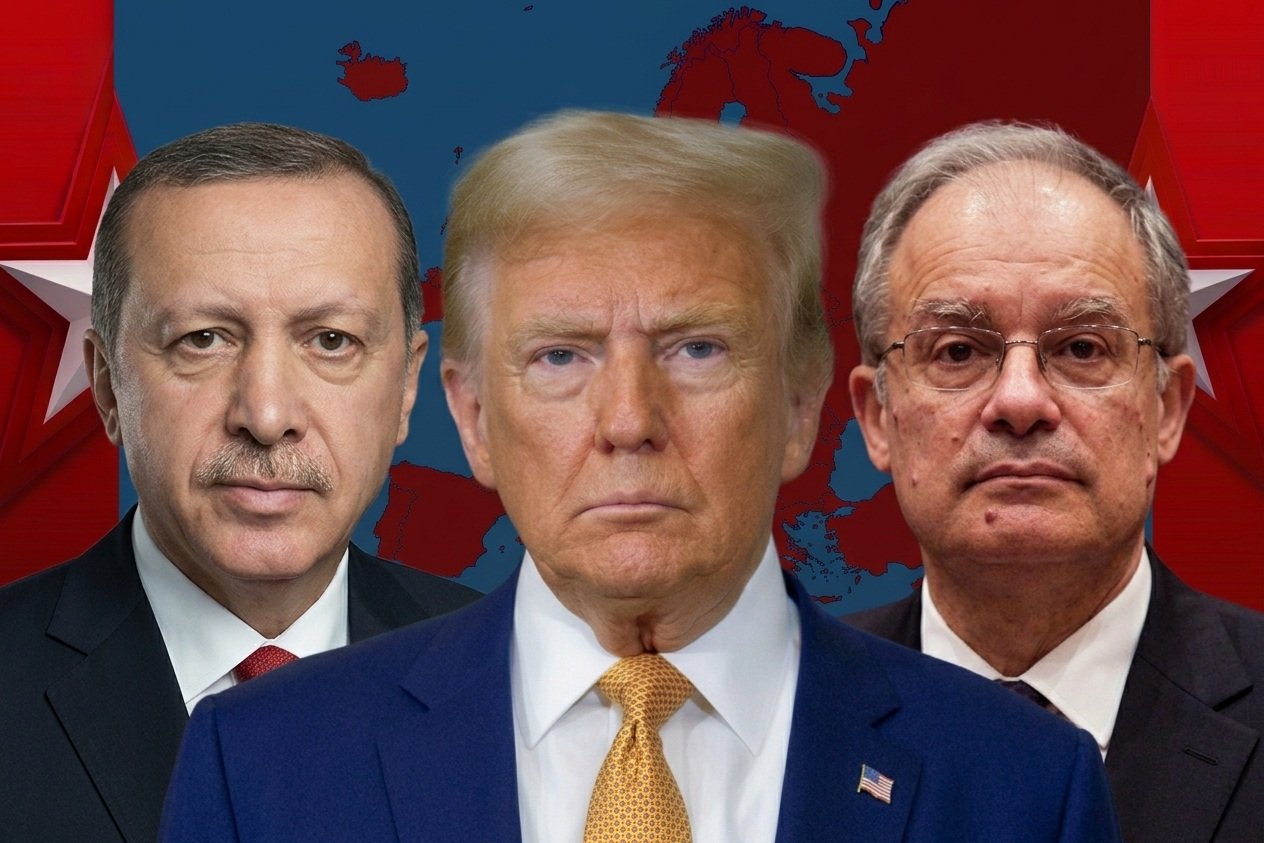
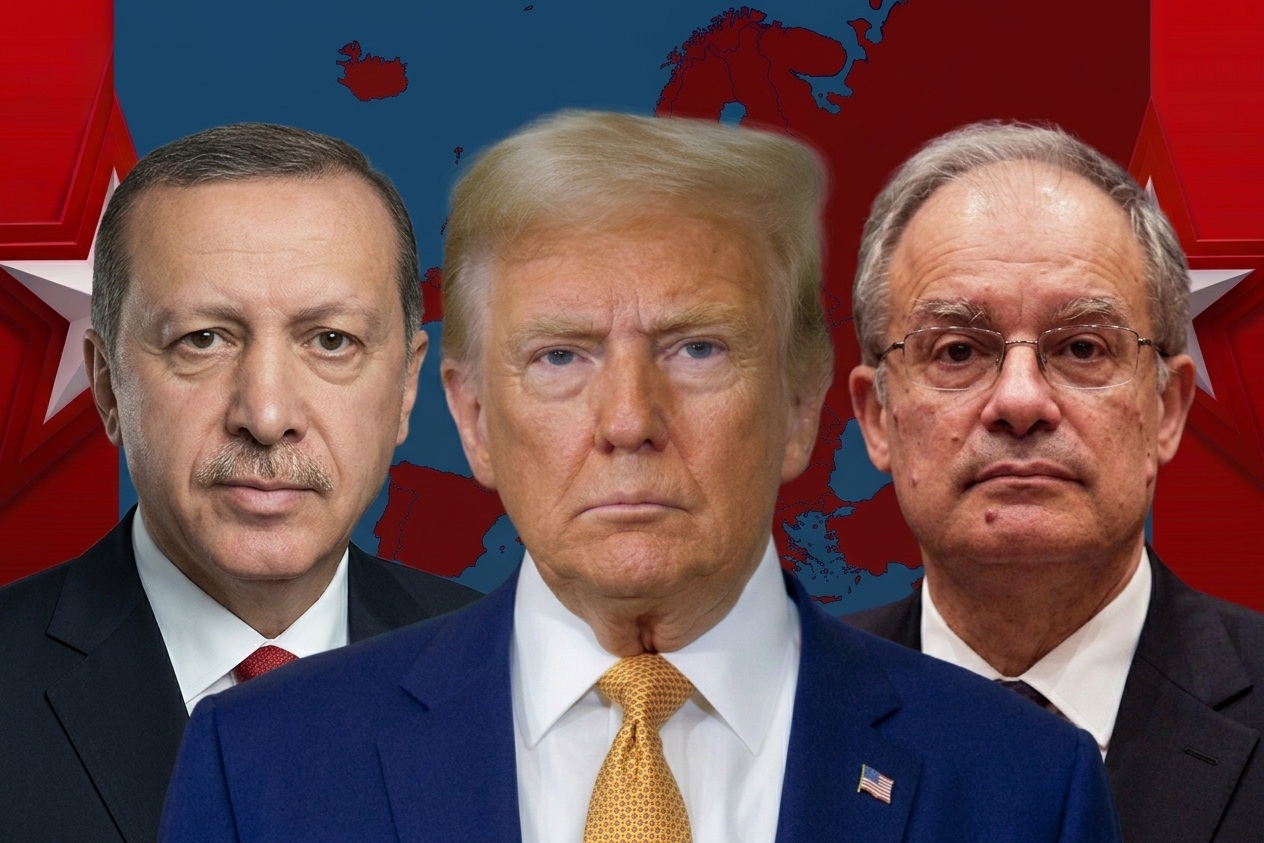
Following a stern warning from the U.S., Greek Prime Minister Kyriakos Mitsotakis has officially brought the contentious Turkey-Libya maritime border agreement to European Union leaders at their summit on 13 November 2026.
- Greek Prime Minister Mitsotakis raised concerns over the Turkey-Libya maritime border agreement at the EU summit on 13 November 2026.
- Athens fears the agreement could jeopardize the $2.1 billion Great Sea Interconnector electricity project connecting Greece and Cyprus.
- Greek, Cypriot, and Egyptian officials argue that the deal encroaches on their exclusive economic zones in the Eastern Mediterranean.
- Amid rising tensions, the U.S. warned Turkey against provocative actions, while Turkey threatened the power cable project and insisted on coordination for any activities on its claimed continental shelf.
This major new development comes as concerns intensify that Ankara could use the pact to derail the $2.1 billion Great Sea Interconnector electricity cable project linking Greece and Cyprus.
According to cable manufacturer Nexans, “The interconnector will deliver up to 2,000 MW of energy to Europe and will be the largest interconnector project in history, supplying over 3 million homes with electricity.“
In light of these rising maritime disputes, Athens is pressing European partners for a stronger collective stand against unauthorized exploration and border expansion.
Greece challenges Turkey and Libya maritime deal at EU summit
During the EU leaders’ meeting on 13 November 2026, Prime Minister Mitsotakis is confronting member states with the geopolitical fallout of the 2019 Ankara-Tripoli maritime corridor agreement recently ratified by eastern Libyan authorities.
Greek, Cypriot, and Egyptian officials maintain that the drawn boundary lines illegally carve through their exclusive economic zones in the Eastern Mediterranean.
European leadership has firmly backed Athens against the deal.
In a joint declaration reported by Business Insider Africa, European Council President Antonio Costa and European Commission President Ursula von der Leyen stated that the agreement “infringes on the sovereign rights of third states” and remains “null and void”.
Furthermore, Greek Foreign Minister Giorgos Gerapetritis affirmed his government’s resolve in an interview with Kathimerini, declaring that sovereign maritime territories were “not up for auction”.
U.S. issues warning as Turkey threatens Greek power cable
International pressure on the situation surged after Washington issued an explicit diplomatic warning over Ankara’s maritime claims.
A U.S. State Department spokesperson issued a firm warning, telling Kathimerini that the Turkish-Libyan deal “has raised tensions in the region and is unhelpful and provocative — and our position on this matter has not changed”.
The U.S. official added, “We encourage all countries, including partners in the Eastern Mediterranean, to resolve maritime disputes through good-faith negotiations and avoid any provocative behaviour“.
Despite international pushback, Ekathimerini reported the Turkish Ministry of Defense issued a direct threat against the planned $2.1 billion undersea power line, warning that “under international law, any installation of cables/pipelines or scientific research activity that is going to take place on our continental shelf must be coordinated in advance with our country”.
I addition the ministry also said “Our country, within the framework of its rights and powers stemming from its status as a coastal state in the Eastern Mediterranean, will not allow any unauthorized activity on our continental shelf.”
As construction ships begin operations, Greek authorities are closely monitoring the region for potential naval standoffs.