





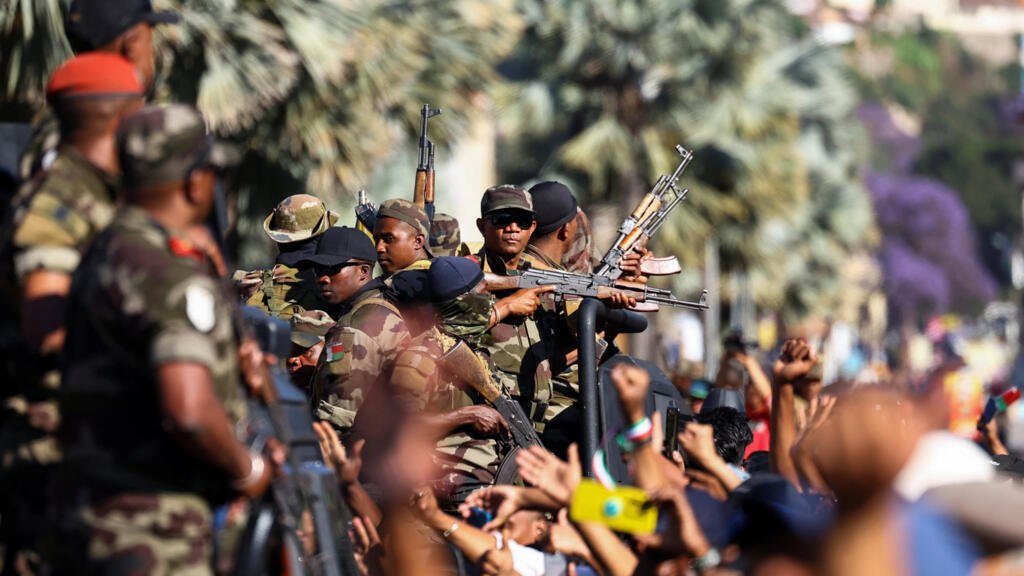
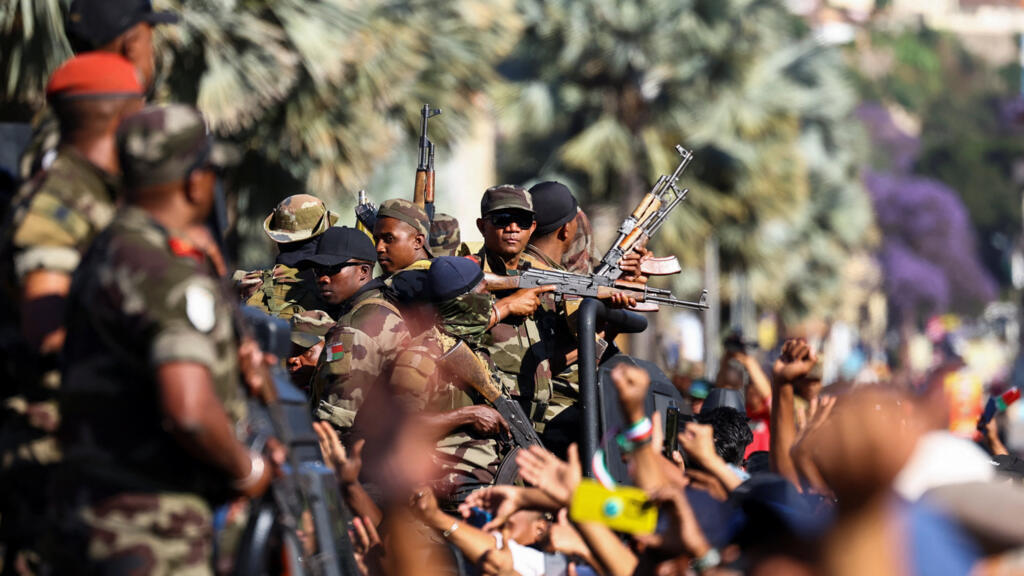
As 2026 reaches its second month, military events continue to dominate headlines, looming as an unsettling factor that influences state sovereignty, economic confidence, and political stability throughout Africa.
- Military events prominently influence African countries’ sovereignty, political stability, and economic conditions as of early 2026.
- The strength and presence of a capable military are significant topics of discussion regarding regional security and state authority.
- Countries lacking adequate military capabilities face challenges that threaten development and governance.
- These issues are exacerbated by insurgencies and non-state actors exploiting weak militaries, as seen in regions like the Sahel and West Africa.
As a result, the strength of the military continues to be a very discussed subject matter, raising questions about which militaries are best equipped to deal with security threats and which are too weak to do so.
A typically weak military has real consequences that extend well beyond the barracks, even though military might by itself does not ensure peace or prosperity.
DON’T MISS THIS: Top 10 Africa’s most powerful militaries in 2026, military size, and global rank
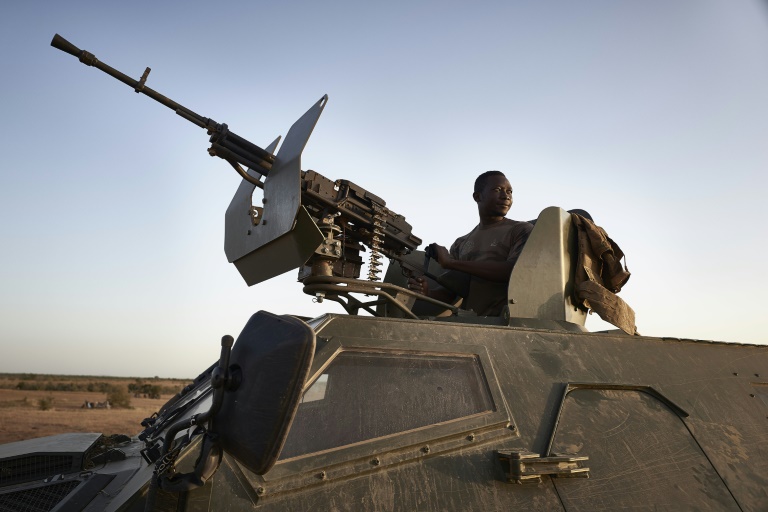
Countries with limited defense capabilities are particularly vulnerable to threats that can impede development and threaten state authority in an era of fragmented security threats, contested resources, and shifting global alignments.
Weak military strength frequently generates security gaps that non-state actors quickly exploit.
Under-resourced armed forces in the Sahel, Horn of Africa, and coastal West Africa struggle to police borders, protect populations, and maintain operations against insurgents, banditry, and organized crime.
Even in the first month of 2026 alone, these threats remain mobile, technologically adaptive, and multinational.
Where the state is unable to project credible force, armed groups establish themselves, disrupting governance, displacing populations, and undermining public faith.
The end outcome is a vicious cycle in which insecurity affects tax collection and economic activity, further limiting defense spending and institutional reform.
Weak militaries are more than just a symptom of instability; they can be a cause of it.
Furthermore, military weakness imposes an obvious economic cost.
Both domestic and foreign investors consider security risk when deciding where to invest cash, how much to pay for insurance, and how long to commit.
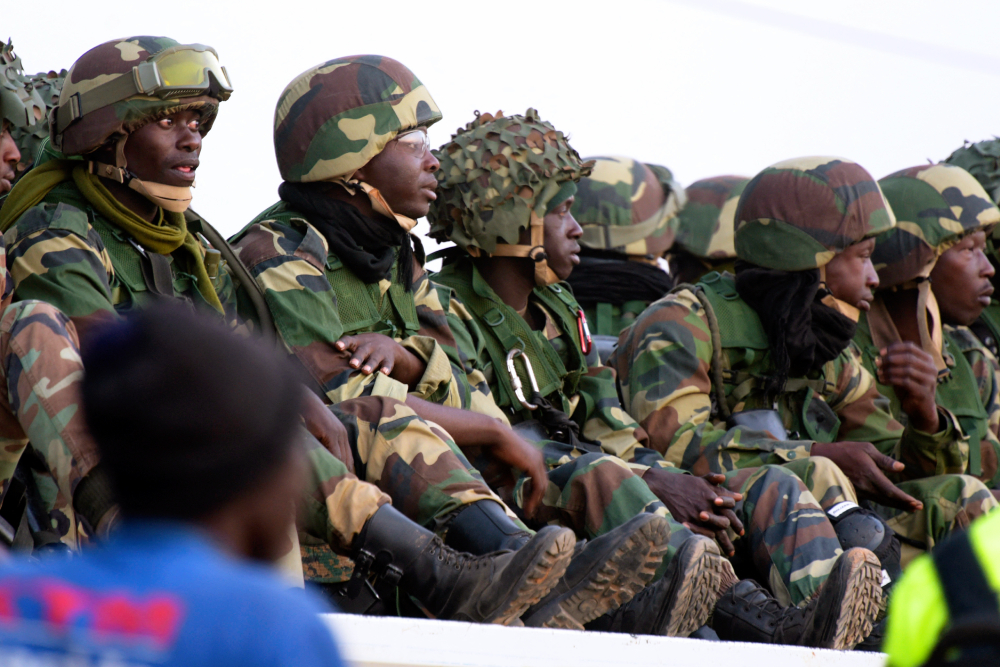
African countries that fail to safeguard infrastructure, maritime waterways, or energy assets suffer greater operating costs and lower competitiveness.
As many African countries attempt to bolster industrialization, expand crucial resource output, and attract manufacturing investment by 2026, reliable security will become a necessity rather than a luxury.
With that said, here are the 10 African countries with the weakest military power according to Global Firepower’s (GFP) recently released Global Firepower ranking.