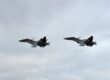






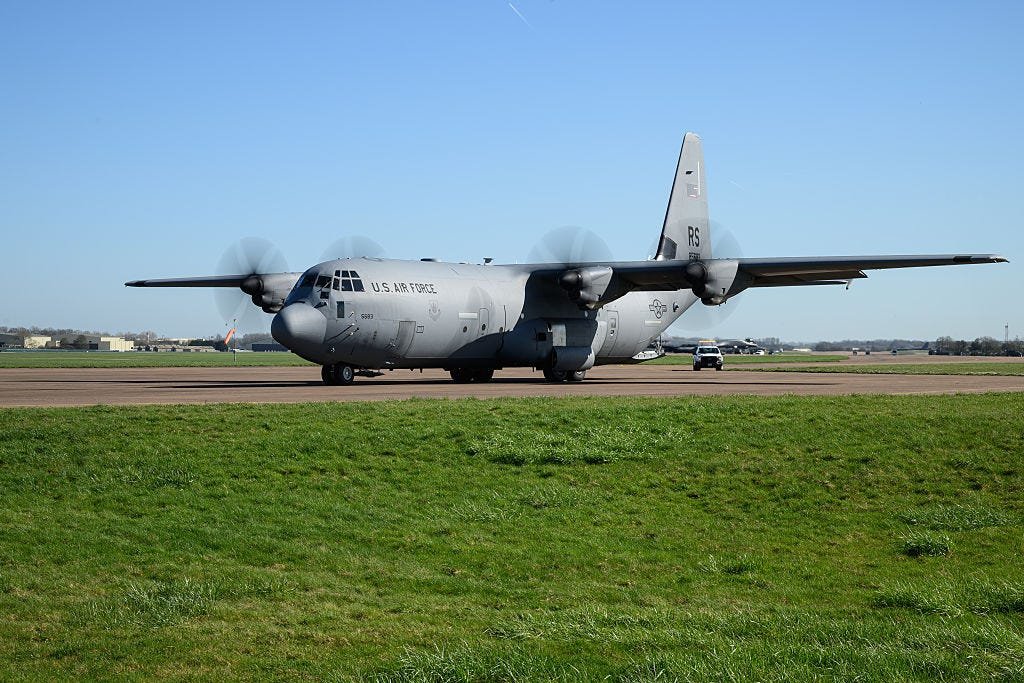
In an incident that is hardly isolated, what has been identified as two Algerian aircraft have recently flown over Polish airspace en route to Russia.
- Two Algerian military transport aircraft were recently detected flying over Polish airspace en route to Russia.
- Poland has noticed several similar Algerian aircraft flights heading to Russia, causing some speculation about possible weapons transport.
- The official purpose of these flights remains unclear, and both Poland and the EU have shown little response, potentially to preserve economic relations with Algeria.
- Algeria is a significant gas supplier to the EU, and the union may wish to avoid disruption, especially amid reduced Russian gas exports due to ongoing sanctions.
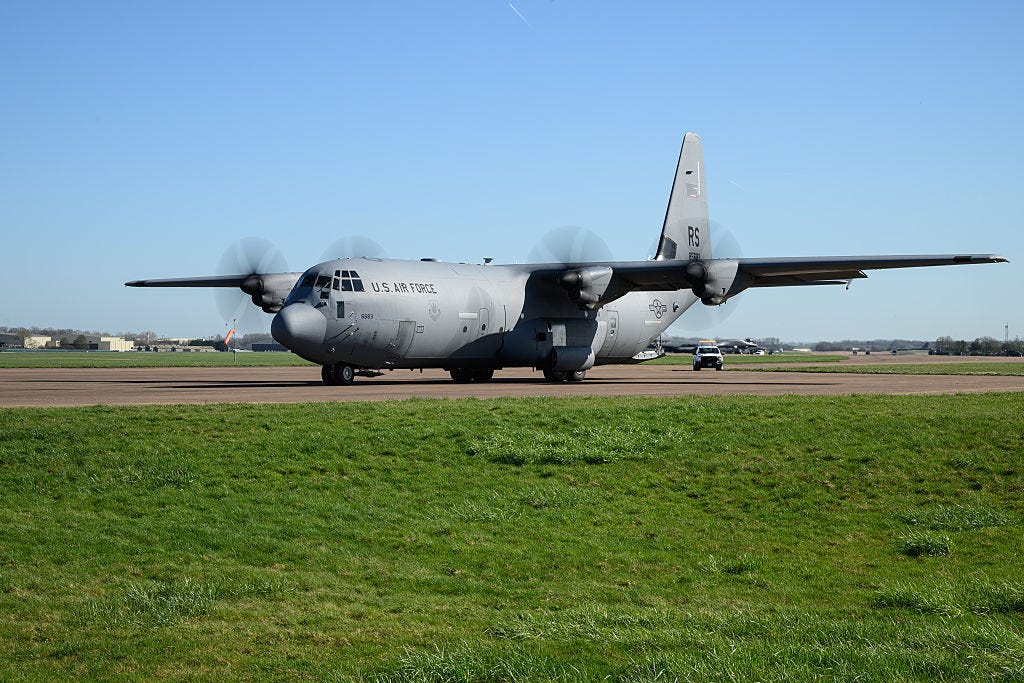
The two military transporters, believed to be a Lockheed C-130H-30 Hercules and an Il-76MD, were detected in Polish skies at 07:07.
DON’T MISS THIS: Turkey’s oldest defense company sets up shop in the home of Africa’s most powerful military
This information was disclosed by the Polish Military after its radar picked up the objects in its airspace on the 24th of September, believed to be making a reappearance.
As mentioned earlier, this sort of incident is hardly isolated, as Poland has spotted several Algerian aircraft in its airspace, also believed to be heading to Russia.
As reported by Defense24, Poland spotted a lone Hercules and a lone Ilyushin in its skies this month alone.
While the purpose of these military transporters is officially unknown, there are speculations that they are being used to transport weapons.
Related to the aforementioned theory, what also remains ambiguous is whether weapons are being transported from Russia to Algeria or vice versa.
While this sort of development typically attracts some form of response, Poland and the European Union at large have been relatively docile about the flights.
This could be because the union sees such transits as non-threatening, or perhaps they prefer to maintain a cordial relationship with Algeria rather than risk damaging its economic ties.
Since the Russia-Ukraine war began in 2022, Russia has been hit with a flurry of sanctions from the United States and the EU, complicating the global energy market that had been largely seamless prior.
Hitting Russia’s allies, which constitute a substantial number, might not necessarily be the right play for the West, as they don’t intend to completely drive more nations towards Russia’s cause.
Additionally, Algeria is responsible for 18.2% of the Union’s pipeline gas imports and 8.1% of LNG, an alternative to Russia’s gas exports that have been hit with sanctions.
A report by Reuters showed that last year, Russia’s gas exports to Europe fell 44% to just 18 bcm, the lowest since the mid-1970s, as a result of the closure of the Ukrainian transit route.
In response, Russia recently relayed that European nations were imposing self-inflicted economic damage by purchasing high-priced gas on the spot market rather than securing lower-cost Russian supplies.
Moscow has reiterated its readiness to resume natural gas deliveries to Europe, including through the Nord Stream submarine pipelines, where one conduit remains operational following the September 2022 detonations.
Russia and Algeria’s military ties
During the current year, Algeria has increased its defense capabilities through strategic procurements from Russia.
Specifically, Algiers accepted delivery of a consignment of Russian Su-34M strike fighters in May.
These transfers constitute a component of a broader defense agreement established between Algiers and Moscow.
Furthermore, these deliveries coincide with a reported annual low in Russian domestic combat aircraft production and exports.
To date this year, the Russian Federation’s aggregate combat aircraft deliveries stand at 14 units.
Although one quarter remains in the current calendar year, this quantity reflects a marked decrease compared to preceding years, during which Russia routinely exported between 20 and 30 aircraft to allied states.
Concurrently, the Russian air fleet has sustained operational losses this year, with a minimum of eight aircraft destroyed and two damaged.
According to reports from state news agency TASS, citing the United Aircraft Corporation, a subsidiary of the state-owned Rostec conglomerate, projected domestic military deliveries for the year comprise six Su-35S fighters, four Su-57 stealth fighters, two Su-34 tactical bombers, and two Su-30SM2 multirole fighters.
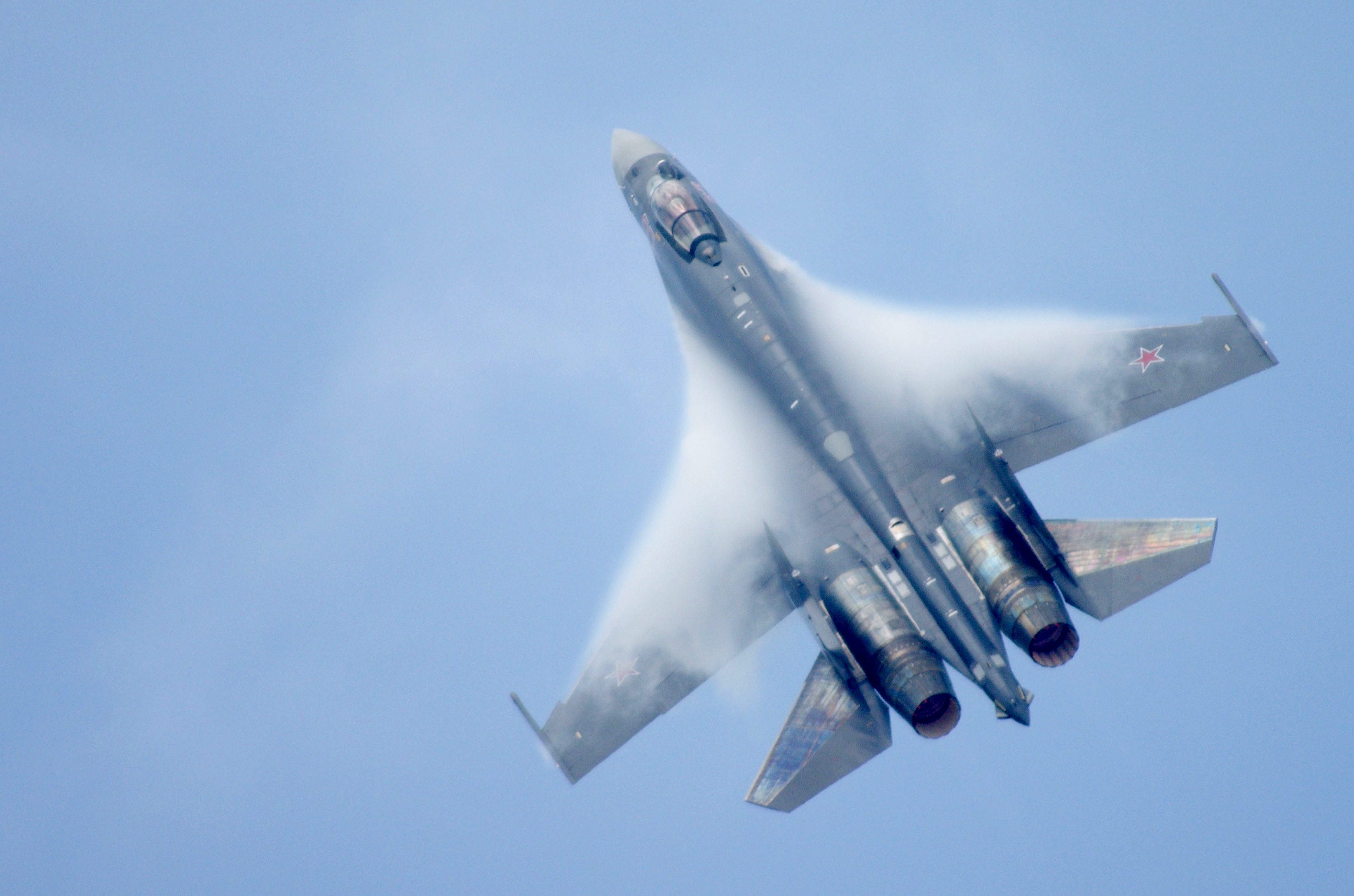
Nonetheless, Moscow persists in fulfilling foreign military sales contracts, executing aircraft transfers to Belarus, Myanmar, and Algeria, one of its primary strategic defense partners in Africa.
For Algeria, the steady arrival of Russian aircraft highlights the depth of its defence partnership with Moscow and its determination to maintain a modern air force as military competition grows across North Africa.