





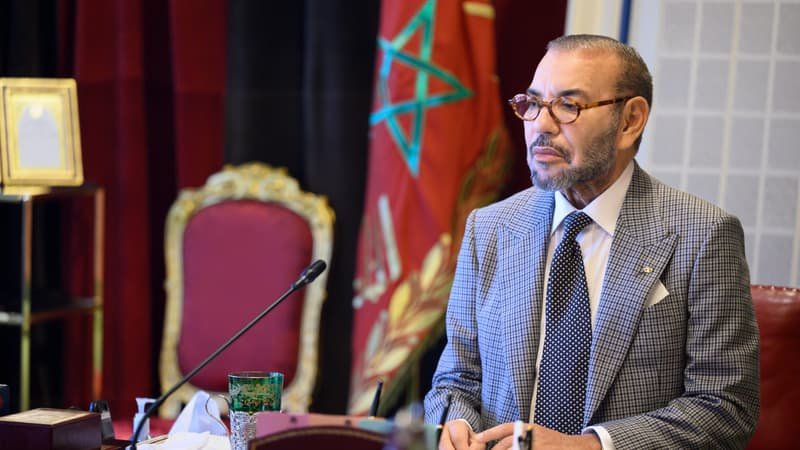
In recent weeks, relations between Morocco and the United States have transcended standard national interests, developing into somewhat of a formal friendship between the leaders of the two nations, King Mohammed VI of Morocco and U.S. President Donald Trump.
- King Mohammed VI of Morocco recently, via a letter, confirmed that he has named the 1,055-kilometre Tiznit-Dakhla Expressway after former U.S. President Donald Trump.
- This expressway aims to connect Europe and West Africa, supporting Morocco’s ambitions as a trade and logistics hub.
- Morocco’s decision acknowledged Trump’s historic U.S. recognition of Moroccan sovereignty over Western Sahara.
- The Western Sahara issue remains a long-standing conflict, with Algeria supporting the Polisario Front’s push for Sahrawi independence, causing regional tensions.
Late in July, Morocco decided to name its flagship 1,055-kilometre Tiznit-Dakhla Expressway after Donald Trump, a decision that sparked a global conversation.
The project, which is estimated at $1 billion, is intended to link Europe with West Africa through the Atlantic corridor, supporting Morocco’s ambition of becoming a major trade and logistics gateway.
At the time, the only indication that Morocco was going through with the idea was a message from Trump, thanking the Moroccan king for the gesture.
However, as recently reported, King Mohammed VI issued a letter confirming that the project, as earlier reported, has been named after the US president.
As seen on the BBC, Morocco’s state press agency recently published a letter the king of Morocco wrote to Donald Trump, telling him that the name change was taking place as “a personal expression of my high regard.”
The Moroccan monarch lauded the US president’s “historic recognition… of Morocco’s sovereignty over its Sahara,” as “forever be etched in the memory of Moroccans, from generation to generation” in the letter dated July 2nd.
“Although our relations have always been rooted in close friendship and constant loyalty, they have never been as vigorous and fruitful as during your two presidential terms,” the king added.
The Moroccan king described the 1,055km (655 miles) highway as a “strategic axis” linking “north and south of Morocco”. Morocco calls Western Sahara its “southern provinces”.
The Tiznit-Dakhla Expressway
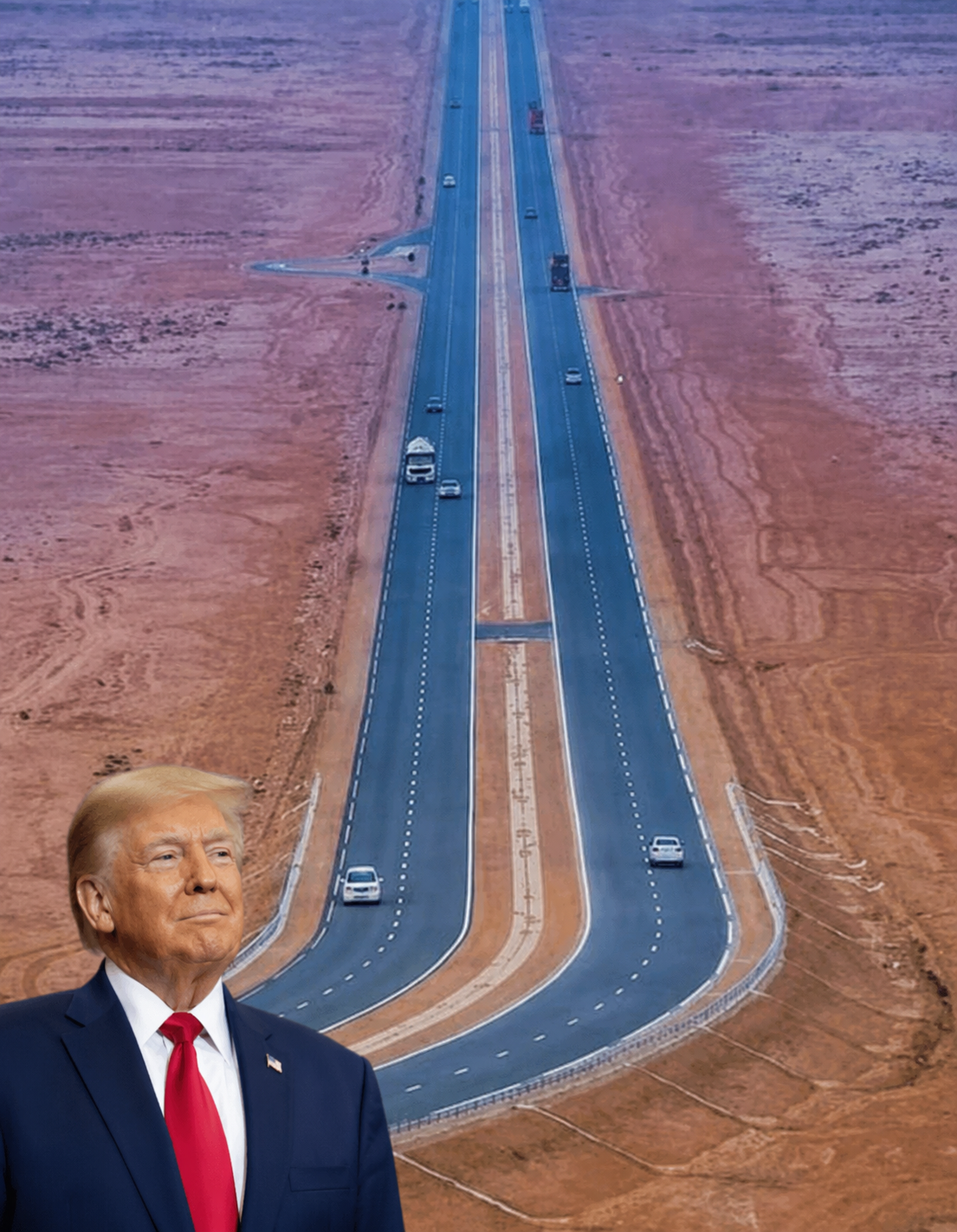
Aside from facilitating domestic transportation, it is projected to lower freight costs, enhance road safety, and shorten travel times for products going between Europe, Morocco, and West Africa.
DON’T MISS THIS: France risks offending Algeria as it backs Morocco in Western Sahara dispute
It also provides an important link to the proposed Dakhla Atlantic Port, a multibillion-dollar deep-water port that Rabat believes would become one of Africa’s main logistical centers.
The highway and port are intended to help Morocco’s overall aim of presenting itself as a commercial bridge between European markets and rapidly expanding African countries.
It runs from Tiznit in southern Morocco to Dakhla, passing through Guelmim, Tan-Tan, and Laayoune, significantly enhancing road connections to Morocco’s southern provinces while also strengthening access to Mauritania and the larger West African market.
A few days after Trump acknowledged Morocco’s tribute, the United States backed the first federally supported investment project in Western Sahara, with Trump formally reaffirming U.S. recognition of Moroccan sovereignty over the territory while outlining plans for deeper economic cooperation.
Morocco’s claim to Western Sahara
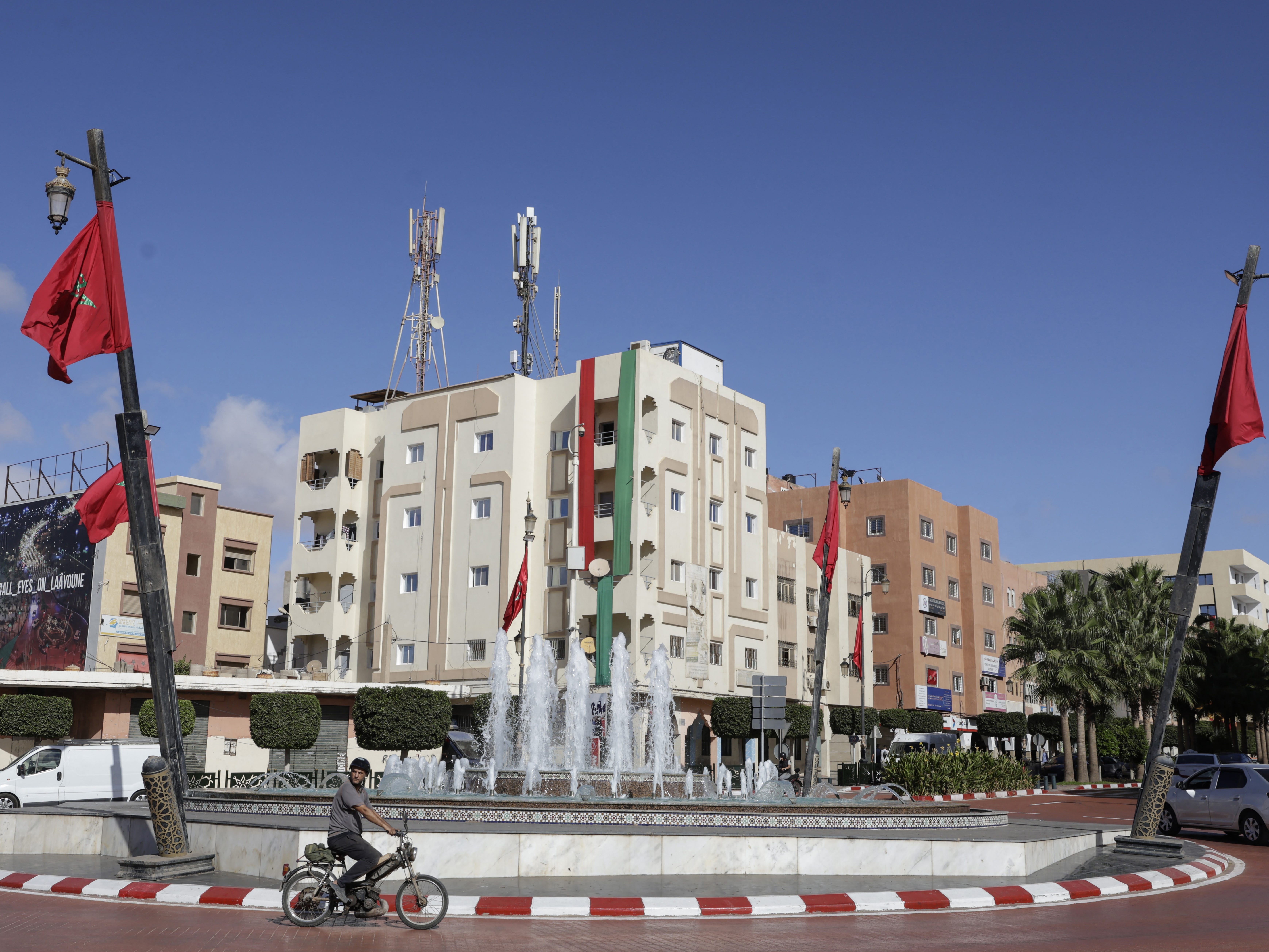
Western Sahara is one of Africa’s longest-running territorial disputes, straining relations between Morocco and Algeria.
Morocco believes the region to be its sovereign land and has advocated for autonomy under its control.
Meanwhile, Algeria supports the Polisario Front, which demands independence for the Sahrawi people.
The disagreement has resulted in decades of diplomatic difficulties, border closures, and security concerns throughout North Africa. Although a UN-brokered truce failed in 2020, international efforts to restart talks have continued.
Earlier this year, the US organized rare discussions between Morocco, Algeria, Mauritania, and the Polisario Front in an attempt to reopen dialogue over the disputed area.
At the time, Senior delegations from the United States and the United Nations led meetings in Madrid with the aforementioned countries and the Polisario Front.
According to a statement released regarding the meeting, the negotiations focused on implementing a UN Security Council decision on Western Sahara.
By May, Massad Boulos, US Presidential Advisor for Arab and African Affairs, met with Algeria’s Ambassador to Washington, Sabri Boukadoum, to urge a more active involvement in the UN-backed peace process.
In a statement posted on X, Boulos welcomed Algeria’s “constructive engagement” and said it was “time to reach a resolution,” citing UN Security Council resolution 2797, which supports Morocco’s autonomy proposal as the most viable way forward.
Algeria looks to be progressively revising its posture after losing backing from major friends, most notably Russia.