






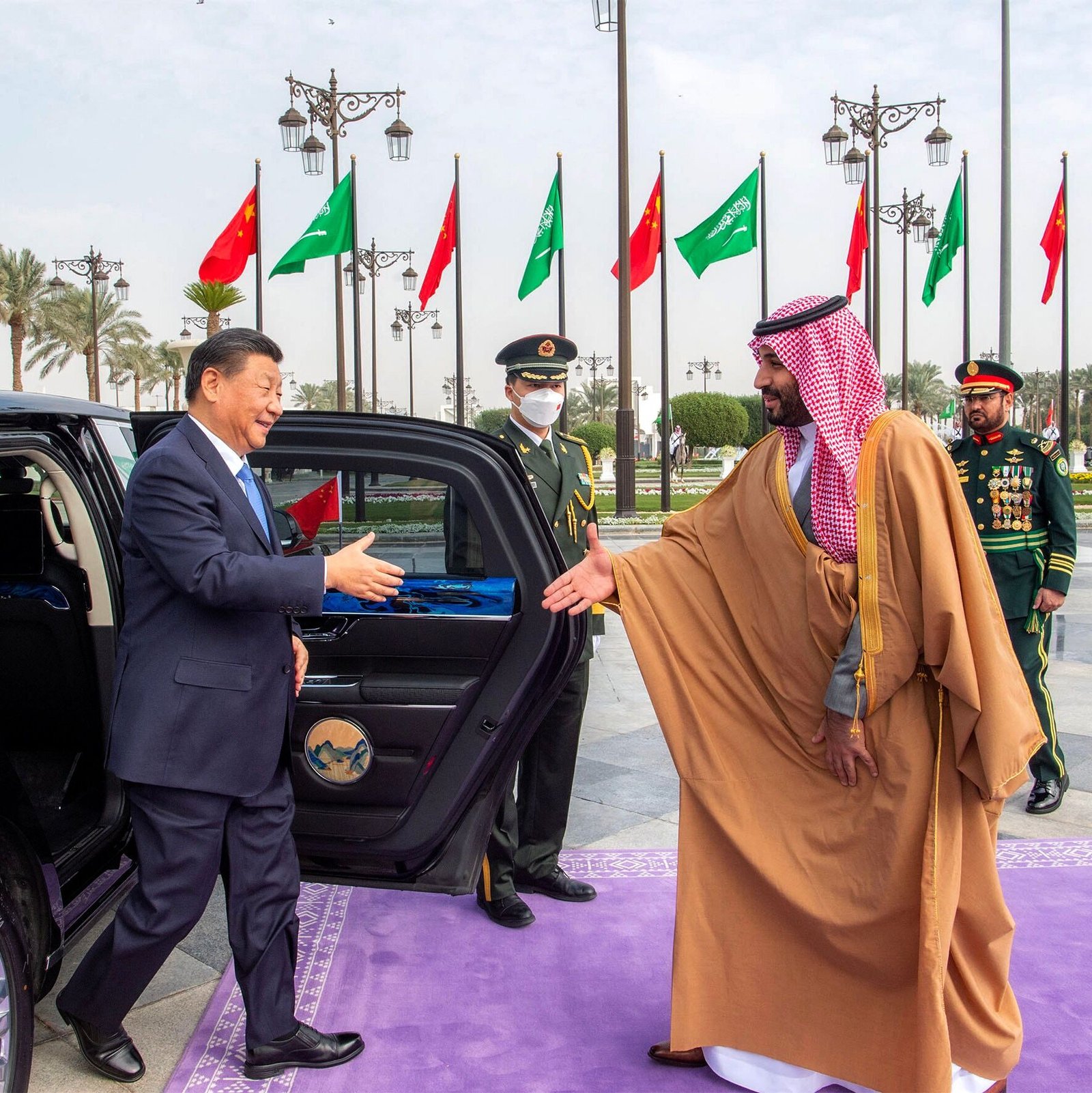
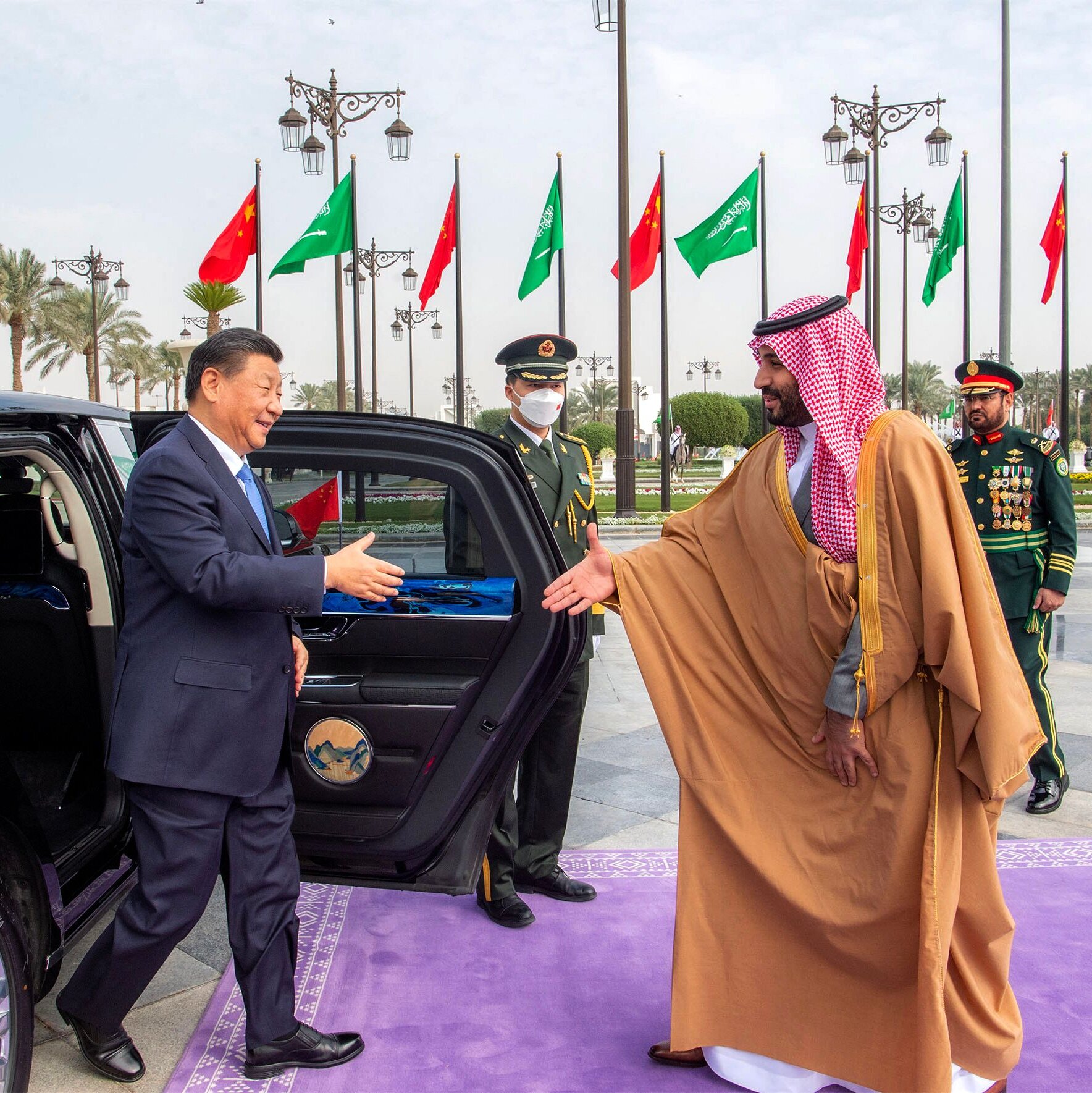
Saudi Arabia has turned to China for help containing Yemen’s Iran-backed Houthis after U.S. President Donald Trump declined a request from Crown Prince Mohammed bin Salman for American strikes against the group.
- Saudi Arabia turned to China for help against Yemen’s Iran-backed Houthis after the U.S. declined to carry out military strikes.
- China diplomatically asked Iran to use its influence to restrain the Houthis, reflecting its growing role in the crisis around the Bab el-Mandeb Strait.
- China emphasized the need for regional stability and urged all parties to resolve differences through dialogue.
- The Bab el-Mandeb Strait’s strategic importance means the conflict threatens global trade.
Riyadh’s appeal to Beijing has now produced a diplomatic response. China has privately asked Tehran to use its influence over the Houthis to help rein in the group, according to Reuters, citing three people familiar with the matter.
The development places China at the centre of a widening crisis around the Bab el-Mandeb Strait, the strategic waterway linking the Red Sea with the Gulf of Aden and sitting off the coast of East Africa.
China’s foreign ministry, responding to a Reuters request for comment, said Beijing did not want regional tensions to spread further into Yemen and the Red Sea, warning that “escalating regional instability is not in the interests of any party.”
DON’T MISS THIS: Days after US announced al-Shabaab strikes in Somalia, Trump says NO to Saudi request to attack Houthis in Africa–Middle East shipping route
“The sovereignty and security of all countries should be respected, and facilities vital to people’s livelihoods must not be targeted,” the ministry said, adding that China “calls for an end to actions that further complicate the situation” and urged the parties to resolve their differences through dialogue and negotiation.
Why Saudi Arabia is looking to China
Saudi Arabia’s request came as Houthi forces rapidly advanced along Yemen’s Red Sea coast, gaining control of strategically important territory and increasing the threat to shipping through the Bab el-Mandeb.

Business Insider Africa earlier reported that Riyadh had previously appealed directly to Trump for U.S. military action. Trump did not agree to launch strikes, although Washington offered intelligence and targeting assistance.
China’s intervention reflects its own economic exposure to the region. Beijing is Iran’s largest trading partner and a major buyer of Iranian oil, giving it an important economic relationship with Tehran. China also helped broker the restoration of diplomatic relations between Saudi Arabia and Iran in 2023.
However, Beijing’s ability to influence the Houthis remains uncertain. Reuters reported that Iran responded to China’s call for regional peace by saying that lasting stability would require an end to what Tehran describes as hostile actions by the United States and Israel against Iran.
The stakes extend well beyond Saudi Arabia.
The Bab el-Mandeb is one of the world’s key maritime chokepoints, with Djibouti and the wider Horn of Africa sitting directly opposite Yemen. The waterway connects shipping moving between the Indian Ocean, Red Sea and Suez Canal, making renewed disruption a concern for African ports and economies as well as global trade.
The crisis is also unfolding alongside disruption around the Strait of Hormuz. Reuters reported that commercial traffic through both Hormuz and Bab el-Mandeb had fallen as the conflict intensified, adding pressure to already strained global energy and shipping markets.
For Saudi Arabia, the diplomatic shift from Washington to Beijing therefore reflects a search for another channel to Tehran as the Houthi threat moves closer to one of the world’s most important maritime routes.