





A British arms broker has been sentenced to 16 years in prison for operating an illegal weapons network that pursued deals involving a nearly $55 million surface-to-air missile system for South Sudan and fighter jets for Libya during its civil war.
- Two British arms brokers have been sentenced to 16 years for illegally arranging military equipment deals.
- The network pursued a nearly $55 million surface-to-air missile system for South Sudan.
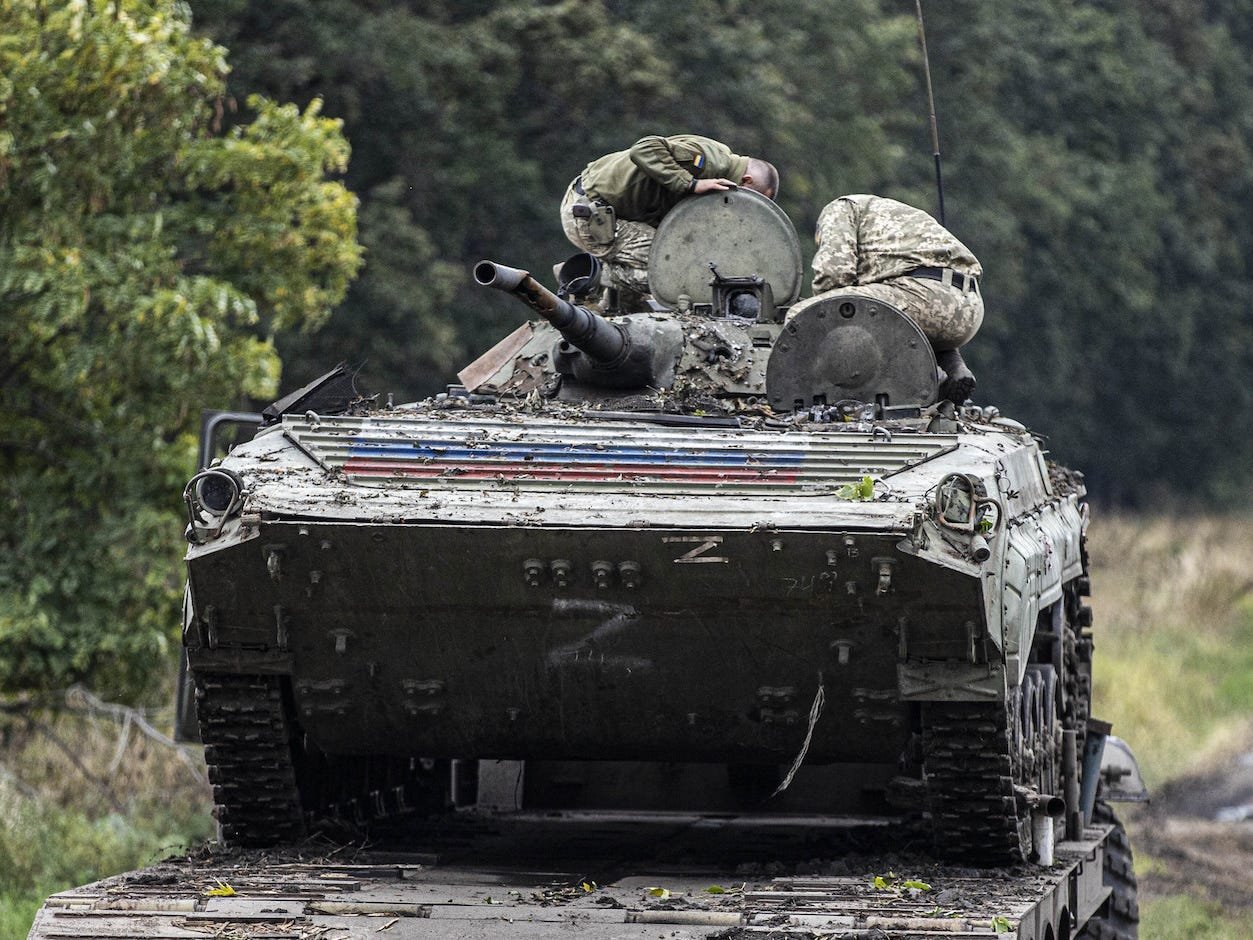
- They also arranged potential fighter jet, helicopter, tank and ammunition deals involving Libya, Sudan and other restricted markets.
- The case exposed efforts to hide weapons destinations using companies, third-country routes and potentially false end-user documents.
David Greenhalgh, 68, was sentenced on Wednesday at Southwark Crown Court in London after being convicted in June of 10 offences involving the unlicensed promotion or supply of controlled military equipment between 2009 and 2016.
His business associate, Greek national Christos Farmakis, 48, also received a 16-year sentence after being convicted of nine offences. Farmakis was tried and sentenced in his absence and remains outside British custody.
Reuters reported that the transactions covered surface-to-air missiles, fighter aircraft, tanks, AK-47 rifles and hundreds of thousands of rounds of ammunition.
The weapons were intended for countries facing British arms restrictions, including South Sudan, Sudan and Libya, as well as Iran, Iraq and Syria.
DON’T MISS THIS: British-Made weapons found in Sudan’s war, raise questions over western complicity in genocide
A $55 million missile deal for South Sudan
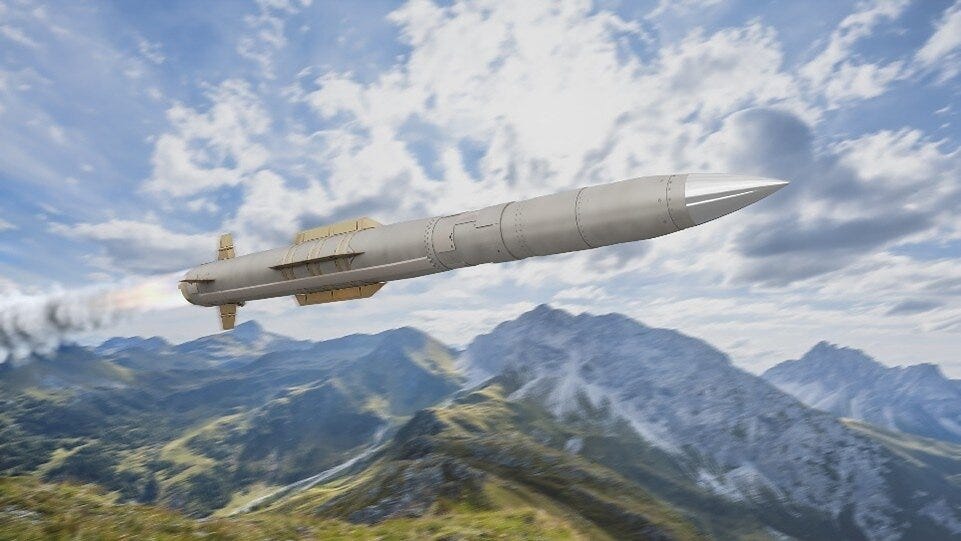
The most advanced system connected to the network was an ex-Soviet S-125 Pechora surface-to-air missile system acquired from Ukraine for nearly $55 million between 2009 and 2011.
The S-125 was designed to detect and destroy aircraft at low and medium altitudes. Although an older Soviet design, upgraded versions remain in service in several countries.
At the time of the transaction, South Sudan was still part of Sudan and subject to a British arms embargo. It gained independence in July 2011.
Court evidence showed that Greenhalgh and Farmakis had close connections with senior South Sudanese officials. Farmakis was appointed South Sudan’s honorary consul to Greece and Cyprus, giving him access that could support the pair’s business dealings.
According to evidence presented during the trial and reported by Reuters, the men discussed obtaining a Ugandan end-user certificate as cover to conceal South Sudan as the missile system’s intended destination.
An end-user certificate identifies the country and organisation receiving military equipment. Falsifying one can allow weapons to be shipped to an embargoed destination under the appearance of a legal sale to another country.
The evidence does not establish that Uganda issued such a certificate. It shows that the defendants discussed using a Ugandan document to conceal the destination.
DON’T MISS THIS: Weapons from Russia, Turkey, others, are intensifying the conflict in Sudan
Fighter jets and attack helicopters offered to Libya
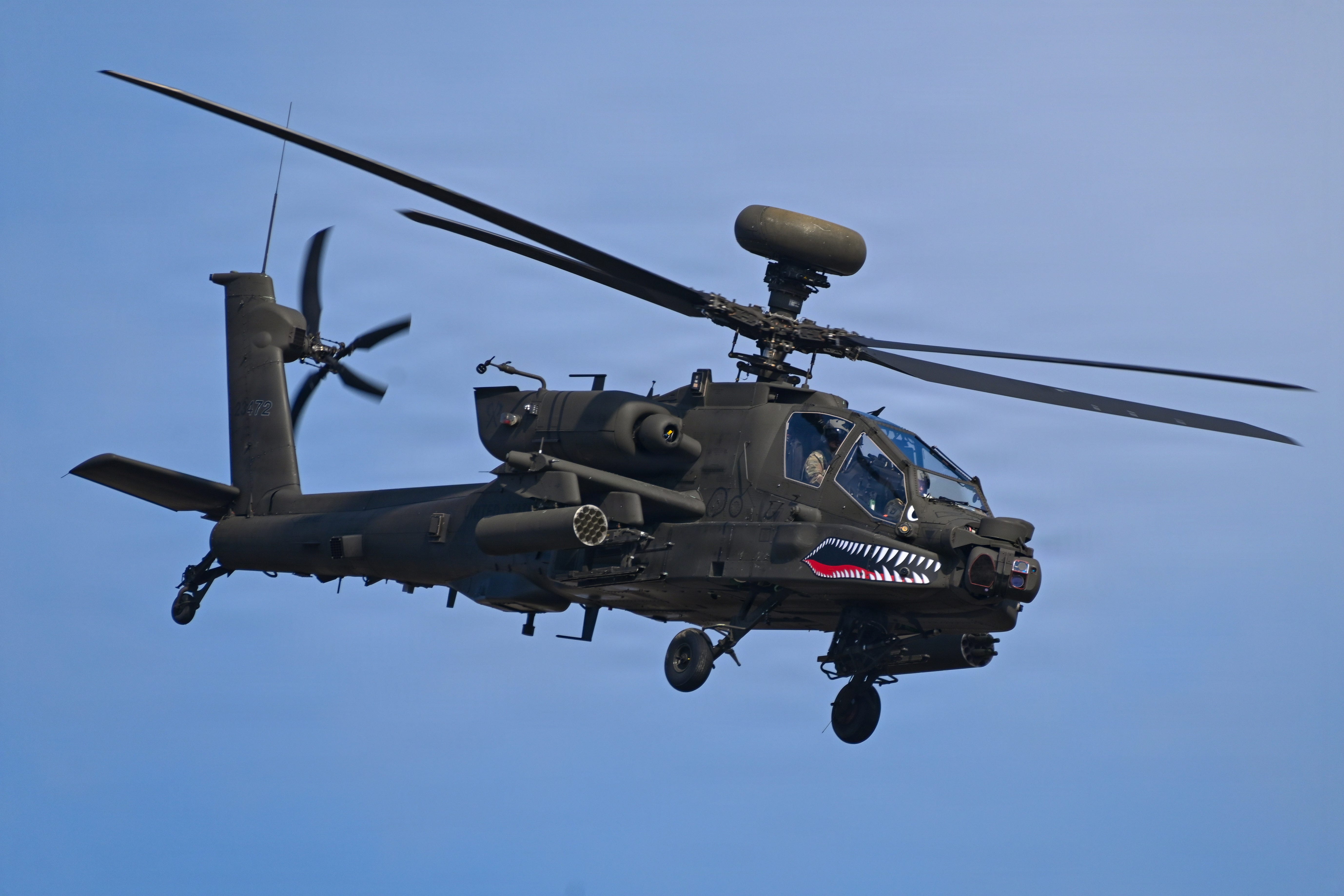
The men also pursued deals involving MiG-29, Su-25 and Su-27 fighter aircraft for Libya, along with Mi-24V attack helicopters and weapons systems.
However, the court findings do not establish that those aircraft were ultimately delivered to Libya. The offences included promoting and arranging prohibited transactions without the licences required under British law.
Other items discussed across the network included battle tanks, anti-tank missile launchers, rocket-propelled grenades, tens of thousands of AK-47 rifles and large quantities of ammunition.
The UK Crown Prosecution Service said the men sourced military equipment from former Soviet states and Eastern Europe while using companies across several jurisdictions to disguise their activities.
Greenhalgh controlled the Airservices group, which operated in the UK, Greece, Macedonia, Hong Kong and South Sudan. Farmakis used a Cyprus-registered company, Black Betty Consulting, to negotiate some of the transactions.
DON’T MISS THIS: Saudi Arabia, Pakistan and Turkey’s NATO-style defence pact puts $5.5 billion arms deals with two African countries back in spotlight
Prosecutor Anja Hohmeyer said: “They knew exactly what they were doing.”
The email that exposed the network
Farmakis worked as a business adviser at Greater London Enterprise, an organisation funded by London boroughs.
The operation began to unravel after he used his official work email for private weapons negotiations and accidentally forwarded a message to his employer. The discovery triggered an investigation that uncovered documents and communications relating to proposed arms sales.
The evidence included discussions about forged end-user certificates, false shipping documents and routing weapons through third countries.
In one email cited by prosecutors, Farmakis wrote: “Any activity without an EUC is illegal and subject to criminal investigations.”
Judge Sally-Ann Hales said their conduct was “deliberate, sophisticated, financially motivated and persisted over many years.”
The convictions were secured under Britain’s Export Control Order 2008, which requires British nationals and people operating within its jurisdiction to obtain licences when arranging controlled military sales between other countries.
The case demonstrates how brokers can use corporate structures, diplomatic relationships and apparently legitimate paperwork to move weapons towards restricted markets without physically handling the equipment themselves.
It also exposes the role African states played in the network: South Sudan was connected to the missile transaction, Libya and Sudan were targeted as potential customers, while Uganda was discussed as possible documentary cover.