





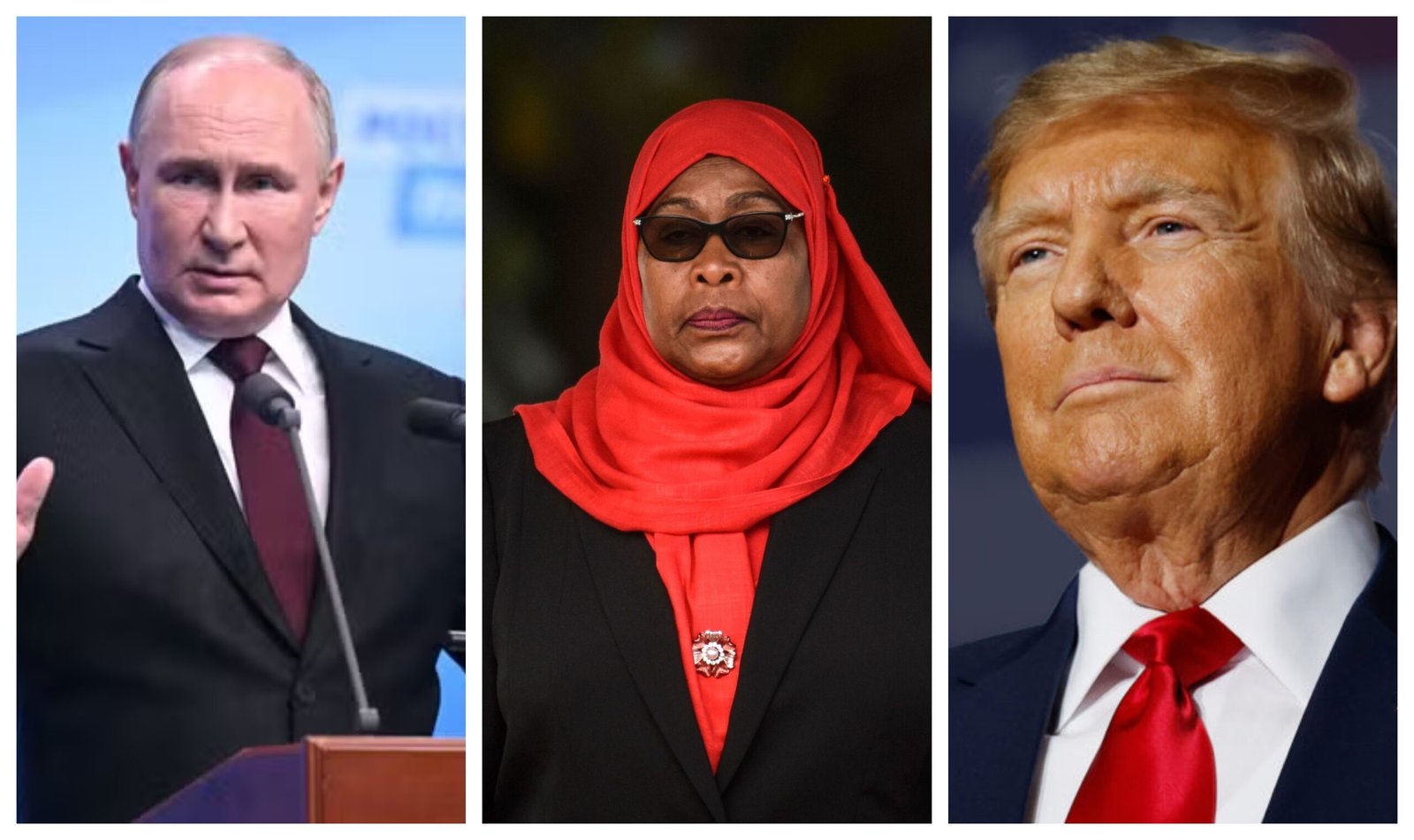
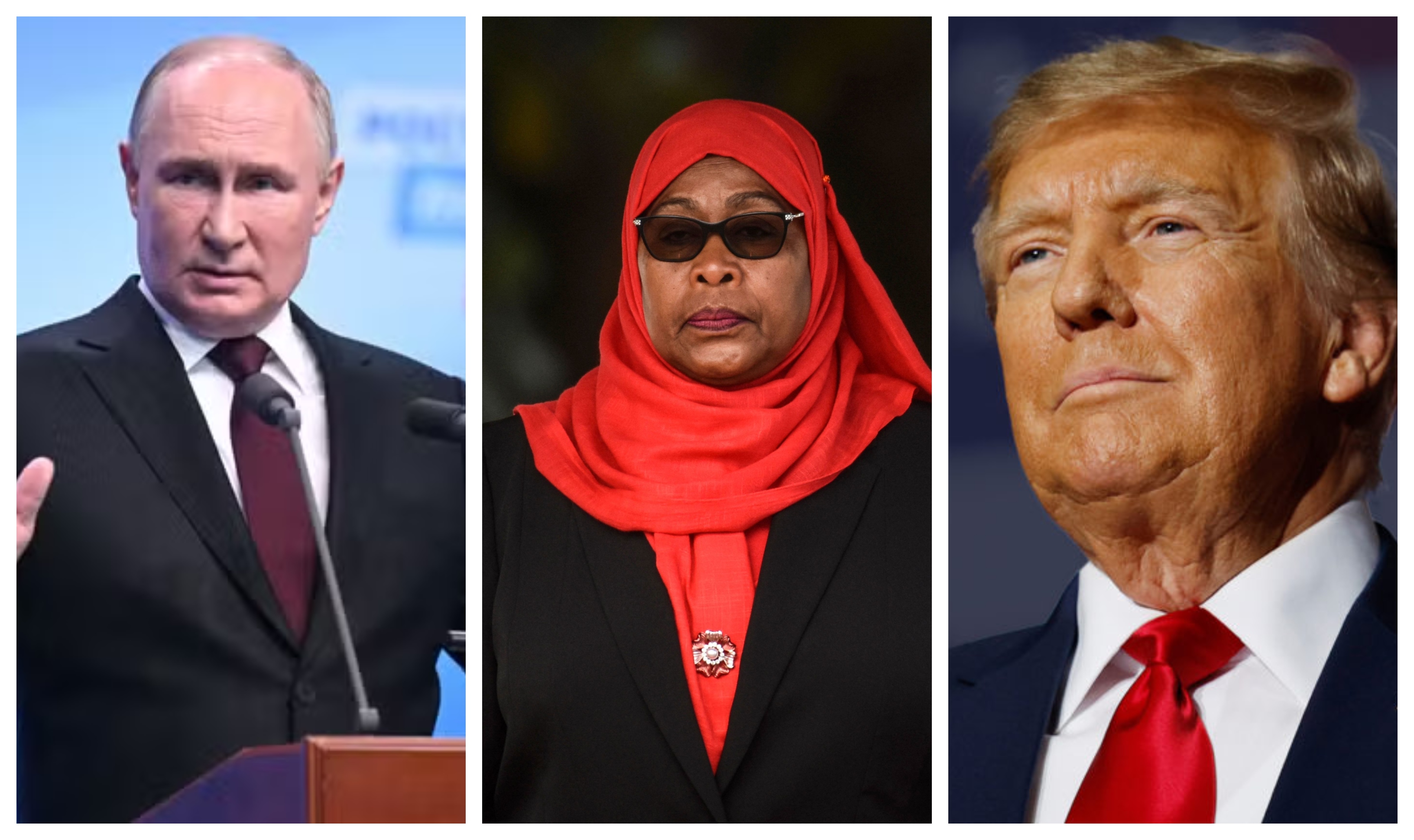
Tanzania is seeking more than $2 billion in Russian investment and business deals over the next three to five years as East Africa’s second-largest economy deepens ties with Moscow following a diplomatic fallout with the United States and European Union.
- Tanzania is seeking over $2 billion in Russian investments and business deals within the next three to five years to reduce reliance on Western partners.
- President Samia Suluhu Hassan made the first Tanzanian state visit to Russia in 57 years and participated in the St Petersburg International Economic Forum.
- Tanzania’s pivot toward Russia comes after Western countries expressed grave concerns and imposed pressures following Tanzania’s disputed 2025 election.
- Despite deepening ties with Russia, Tanzanian officials emphasized they are not abandoning Western partners and will continue to seek diverse international investments.
President Samia Suluhu Hassan travelled to Russia for the first state visit by a Tanzanian leader in 57 years as the government sought to broaden its international partnerships following strained relations with Western partners after the disputed October 2025 election.
During the visit, she attended the St Petersburg International Economic Forum, where Tanzanian officials held talks with major companies interested in healthcare, mining, energy, agriculture and technology.
The country’s ambassador and director of economic diplomacy at the Ministry of Foreign Affairs and East African Cooperation, John Ulanga, announced the $2 billion estimate on June 7 during a briefing on the visit.
“Based on the discussions held on trade and investment, we are confident that within the next three to five years, Tanzania will attract investments, and business worth more than $2 billion,” he said.
“This will position Russia among Tanzania’s key development partners,” he added.
The projected deals, valued at about Sh5.2 trillion in Tanzania’s local currency, could expand Russia’s economic presence in East Africa while giving Tanzania access to more capital, technology and industrial expertise.
Russia targets Tanzania’s strategic sectors
Healthcare emerged as one of the main areas of potential cooperation, with Russian companies expressing interest in pharmaceutical manufacturing and local vaccine production.
“Russian companies have indicated that within the next five years they can partner with Tanzania to produce up to 20 million vaccine doses locally for both domestic use and regional markets,” Mr Ulanga said.
Local production could reduce Tanzania’s dependence on imported vaccines while creating a supply base for neighbouring African markets.
Russian companies also expressed interest in uranium, nickel and other critical minerals used in energy systems and modern technologies.
The discussions come as international competition for Africa’s strategic minerals intensifies, driven by demand from the clean-energy, electronics, defence and manufacturing industries.
Russian energy companies, including Gazprom, have expressed interest in Tanzania’s oil and gas sector, which requires more capital and infrastructure to develop its natural gas reserves.
The talks also covered agriculture and technology, including agro-processing, value addition and partnerships with Tanzanian start-ups.
![Tanzania's President Samia Suluhu Hassan, Russian President Vladimir Putin, Uzbek President Shavkat Mirziyoyev and Vice President of the People's Republic of China Han Zheng arrive for the plenary session of the St. Petersburg International Economic Forum (SPIEF) in Saint Petersburg on June 5, 2026. [Photo by OLGA MALTSEVA / AFP via Getty Images]](https://ocdn.eu/pulscms/MDA_/638911e8df7b94677caa13091b57c53f.jpg)
Western ties face pressure
Tanzania’s closer engagement with Russia comes after its relations with Western partners deteriorated following the disputed October 29, 2025 elections.
President Hassan was declared the landslide winner, but opposition groups accused the government of fraud and protested the exclusion of her main challengers.
The protests were followed by a security crackdown, reports of deaths and injuries, an internet shutdown and restrictions on political activity.
The US Department of State said the Tanzanian government’s actions had raised “grave concerns about the direction of our bilateral relationship and the reliability of the Tanzanian Government as a partner.”
Similarly, the European Union also expressed concern over “violence, the internet shutdown as well as reports of irregularities in the election process.”
Meanwhile, the foreign ministers of Britain, Canada and Norway also raised concerns over deaths and injuries linked to the security response to protests.
The African Union election observation mission said the vote did not comply with AU principles and international standards for democratic elections.
Although Tanzania remains one of East Africa’s leading investment destinations, criticism of the disputed election has increased pressure on President Hassan’s government and complicated relations with some traditional development partners.
Tanzania broadens economic partnerships
Tanzania is East Africa’s second-largest economy, with the IMF projecting its nominal GDP at $94.89 billion in 2026, behind Kenya’s $147.26 billion.
Despite the size gap, Tanzania is expected to grow faster, with real GDP forecast to expand by 5.9%, compared with Kenya’s 4.5%.
Meanwhile, the country’s Minister of State for Planning and Investment, Kitila Mkumbo, said Tanzania would continue pursuing opportunities aligned with its development priorities.
“As we implement Vision 2050, we must seek investment opportunities across the world. This visit has opened another important door and will contribute to economic growth,” he said.
Foreign Affairs Minister Mahmoud Thabit Kombo said the visit had placed Tanzania within Russia’s broader push to expand trade and investment ties across Africa.
“The visit has enabled Tanzania to position itself within Russia’s wider strategy of expanding cooperation with African countries in trade, investment and development,” he said.
Tanzanian officials said closer ties with Moscow did not signal a break with Western partners. The government said it would continue working with countries that support its economic and development goals.