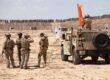








![Ethiopia closed its embassy in Eritrea before Asmara announced a complete break in diplomatic relations. [EBC]](https://ocdn.eu/pulscms/MDA_/81fd2d4cbcb6e2000c5397544d2b5dde.jpg)
Eritrea has severed diplomatic relations with Ethiopia after its neighbour shut its embassy in Asmara and ordered 10 Eritrean diplomats out of the country, marking a sharp deterioration in relations between two former military allies.
- Ethiopia closed its embassy in Eritrea and ordered 10 Eritrean diplomats to leave within 48 hours.
- Eritrea responded on 1 October by severing diplomatic ties with Ethiopia.
- Explosions were heard in Addis Ababa. An opposition-linked source claimed drone strikes, but the claim has not been independently established.
- The African Union has urged Ethiopia, Eritrea and Egypt to step back from further escalation.
Ethiopia announced the embassy closure on Thursday, accusing Eritrea of hostile acts. It gave the diplomats 48 hours to leave. Eritrea rejected the move and said it would end diplomatic ties in response.
The rupture came hours after explosions were heard in Addis Ababa, Ethiopia’s capital and the seat of the African Union. A source linked to an Ethiopian opposition alliance claimed it had launched drone strikes there, including an attempted strike on military headquarters. The nature and targets of the explosions have not been independently confirmed.
Ethiopia has accused Eritrea, Egypt and Sudan of supporting the alliance, which includes the Tigray People’s Liberation Front. All three countries deny the allegation. Egypt and Ethiopia also expelled one of each other’s diplomats as the dispute widened.
DON’T MISS THIS: Former battlefield enemies unite seven armed groups in bid to overthrow Ethiopia’s Abiy Ahmed
The developments matter beyond the two neighbours. Renewed fighting in northern Ethiopia has raised concern about a wider Horn of Africa confrontation, while the reported activity in Addis Ababa, if verified, would show that a threat previously concentrated far to the north could reach the country’s political centre.
In its announcement of the embassy closure, Ethiopia’s government confirmed the order for 10 diplomats to leave. Eritrea’s foreign ministry subsequently said it had “no option but to reciprocate in kind and sever all diplomatic ties with Ethiopia”, according to Reuters’ account of the statements and events in Addis Ababa.
From peace partners to a diplomatic break
The two governments restored relations in 2018 after years of hostility. That rapprochement helped Ethiopian Prime Minister Abiy Ahmed win the Nobel Peace Prize.
Eritrean forces later fought alongside Ethiopia’s federal forces against the Tigray People’s Liberation Front during the 2020–2022 war.
Their relationship deteriorated after the 2022 peace agreement, to which Eritrea was not a party. Ethiopia’s push for direct access to the Red Sea has added another dispute between them.
Eritrea fears that Ethiopia could seek control of its port of Assab by force, while Addis Ababa says sea access is important to its economy and security. Business Insider Africa previously reported on the growing dispute over sea access.
DON’T MISS THIS:Ethiopia accuses Egypt of trying to keep it landlocked as it tries to obstruct it from two very commercial African water bodies
The latest fighting has changed the political picture again. Armed groups that previously pursued separate aims have formed an alliance against Abiy’s government. Their ability to act together, and the extent of any outside support, remain disputed.
What is known about the blasts
Three diplomatic sources and witnesses confirmed to Reuters that explosions were heard in Addis Ababa. An opposition-linked source claimed responsibility for drone strikes, but no visible damage near the military base said to have been targeted.
Ethiopian government and military representatives had not responded to its requests for comment. Ethiopia’s intelligence service has banned drone flights over the capital.
That distinction is essential: the explosions are reported, a successful opposition drone attack on military headquarters is a claim, not an established fact.
The African Union Commission said on 1 October that it was concerned by tensions involving Ethiopia, Eritrea and Egypt. It called for “maximum restraint” and urged the three governments to settle their differences through diplomatic channels. The appeal was reported again on the morning of 2 October.