





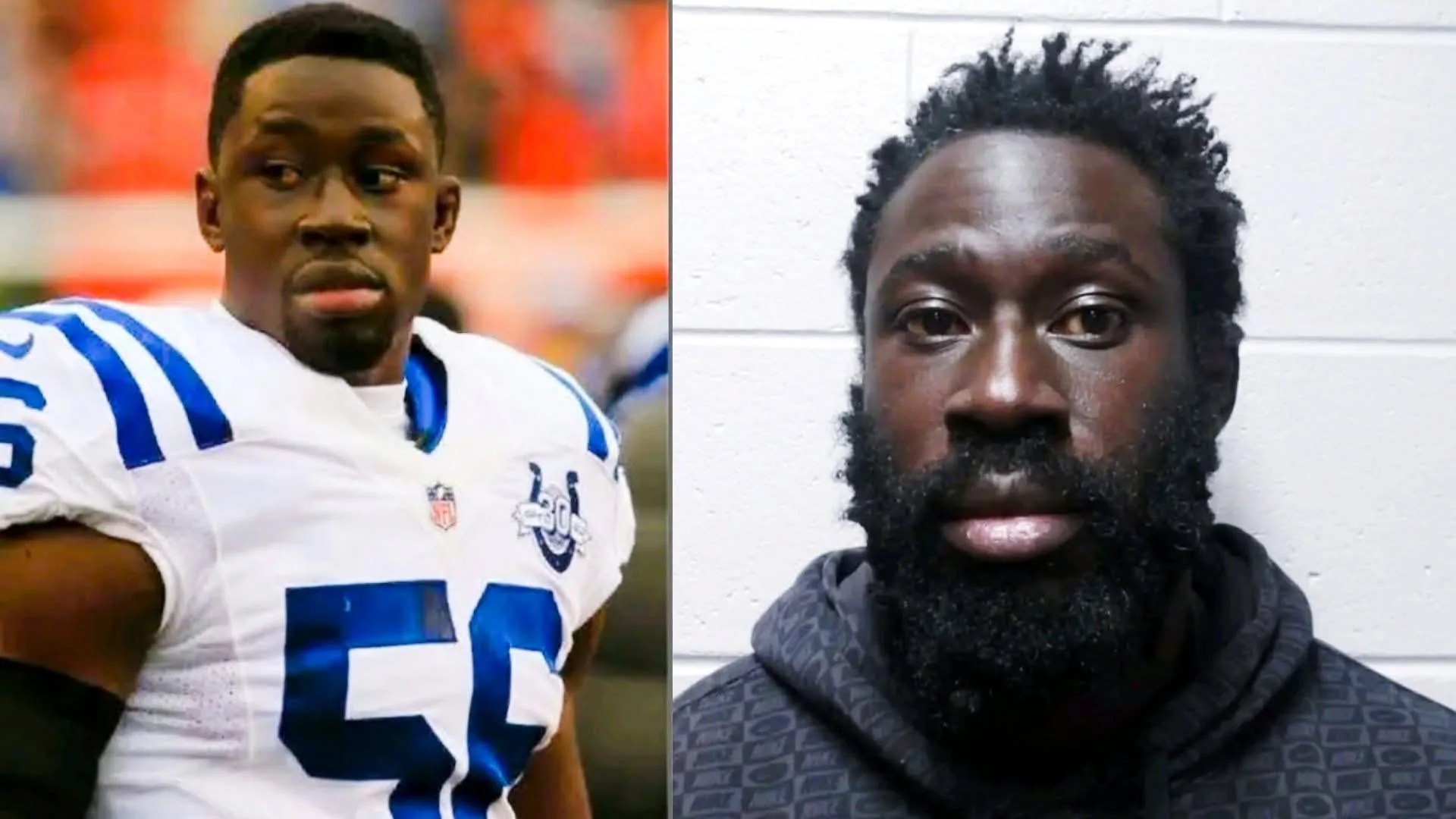
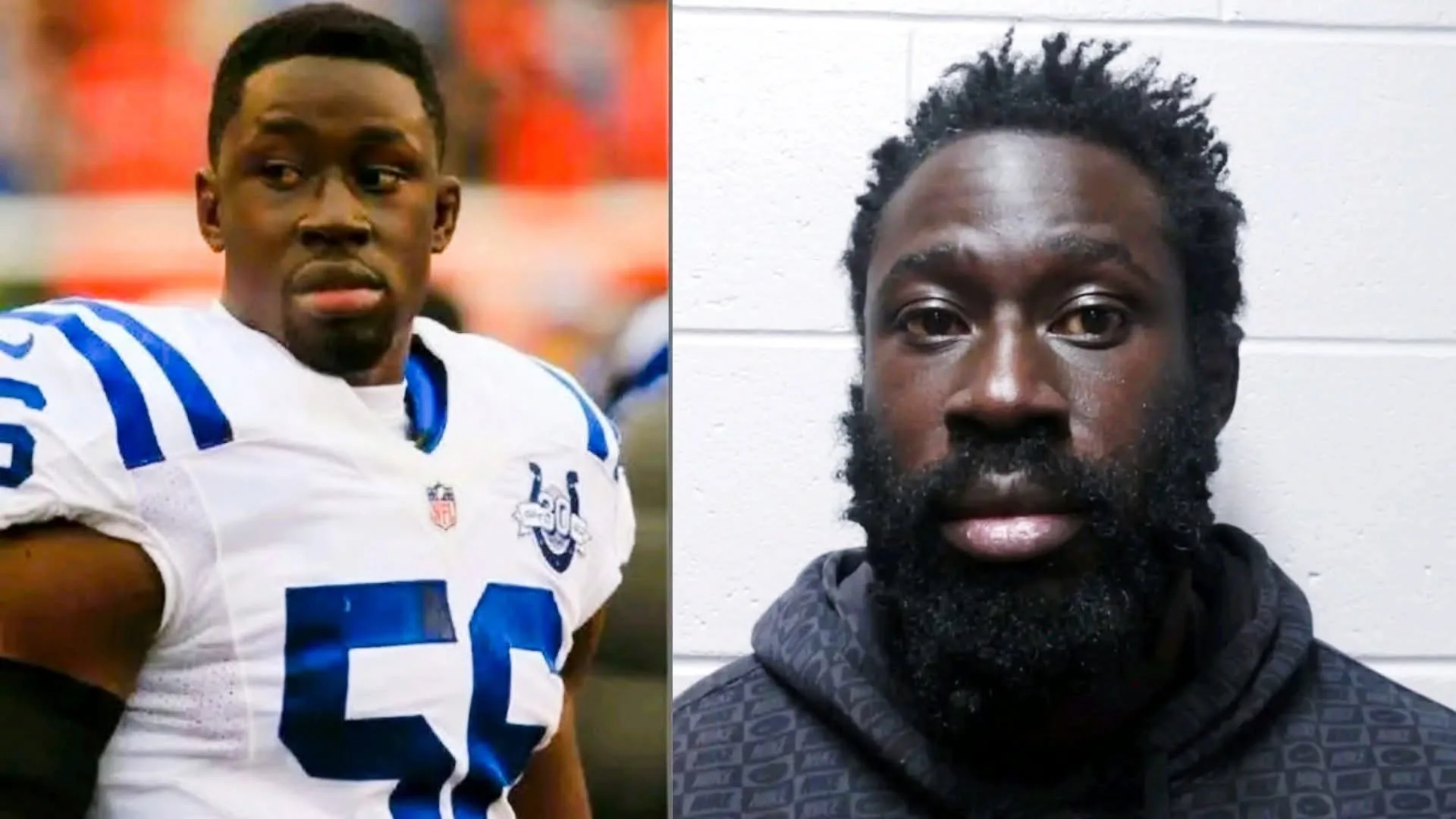
Daniel Adongo, the former Kenyan rugby player who built his career in South Africa before reaching the NFL, has been deported from the United States after immigration authorities said he overstayed his visa and was convicted of a criminal offence.
- Former Kenyan rugby player and NFL linebacker Daniel Adongo was deported from the US for overstaying his visa and being convicted of a crime.
- US authorities said Adongo’s visa expired in 2016, and his criminal record made him a priority for immigration enforcement.
- Before his deportation, Adongo transitioned from rugby in Africa to play in the NFL, but his career was derailed after legal and immigration troubles.
- His case was handled under stricter immigration laws, requiring detainment and deportation for qualifying criminal offences.
US Immigration and Customs Enforcement agents in Chicago removed Adongo, 37, on June 20 after a Department of Justice immigration judge ordered his deportation in March.
According to Fox 59, ICE said Adongo remained in the United States after his visa expired in 2016, while his criminal record made him a priority for immigration enforcement.
Adongo could not immediately be reached by Business Insider Africa for comment.
Criminal conviction contributed to deportation
The 37-year-old, who became the first Kenyan to play in the NFL, America’s top professional football league, was convicted of criminal mischief involving property damage in 2020 and sentenced to 364 days in jail, according to federal authorities cited in the report.
Officials said police had arrested Adongo several times in Indiana over the previous nine years for alleged offences including felony intimidation, battery and disorderly conduct, although ICE did not state whether all the arrests resulted in convictions.
“This dangerous individual was clearly a threat to the community, which is now safer since he’s been removed,” ICE Chicago Assistant Field Office Director Douglas Thompson said in a statement.
“Those who violate immigration law are held equally accountable, including former professional athletes.”
Meanwhile, ICE said the Laken Riley Act required authorities to detain Adongo without bond because he was living in the country illegally and had been convicted of a qualifying offence.
The law, signed by US President Donald Trump, expanded mandatory detention requirements for some undocumented immigrants accused or convicted of certain crimes.
“Since Day One, DHS law enforcement has been delivering on President Trump’s promise to the American people to arrest and deport criminal illegal aliens including murderers, rapists, child sex abusers, gang members, and terrorists,” ICE said.
Consequently, the agency placed Adongo’s case within the Trump administration’s wider immigration enforcement campaign.
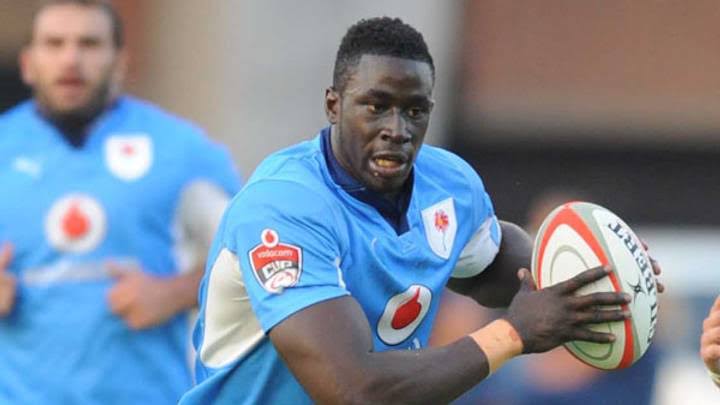
From African rugby to the NFL
Before his legal troubles, Adongo made a rare transition from African rugby to American football when the Indianapolis Colts signed him in 2013 despite his lack of gridiron experience.
He previously attended the University of Pretoria, played for South Africa’s Sharks at youth level from 2007 to 2010, and represented teams in South Africa and New Zealand between 2011 and 2013 before the Colts converted him into a linebacker.
Adongo played five NFL games, mainly on special teams, between 2013 and 2015 before the Colts released him following a police incident in suburban Indianapolis.
His move to the NFL had represented a rare pathway for an African rugby player entering one of the world’s richest sports leagues.
However, ICE said his visa expired the following year, beginning a period that eventually ended in his removal to Kenya.
DON’T MISS: London council seizes two-bedroom social housing flat rented by Sierra Leone’s first lady Fatima Jabbe-Bio
Other African celebrities have faced US immigration action
Adongo is not the only high-profile African-born personality to face immigration enforcement in the United States.
In June 2025, ICE officials detained Senegalese-born social media star Khaby Lame at an airport in Las Vegas after authorities said he had overstayed his visa.
Lame was permitted to leave the United States voluntarily and was not subjected to the formal removal order issued against Adongo.
By contrast, Adongo’s deportation followed a criminal conviction and a removal order from an immigration judge..