






Russia has offered to help Mozambique combat the Islamist insurgency in Cabo Delgado, positioning itself around one of Africa’s most strategically important energy regions as the country races to revive tens of billions of dollars in liquefied natural gas (LNG) investments.
- Russia has offered to help Mozambique fight the Islamist insurgency in Cabo Delgado, a region central to the country’s multibillion-dollar LNG ambitions.
- The conflict has delayed major gas projects led by TotalEnergies, ExxonMobil and Eni, which together represent more than $50 billion in planned investments.
- Improved security has already allowed TotalEnergies to resume its $20 billion Mozambique LNG project, with ExxonMobil also moving closer to a final investment decision.
- Moscow’s offer highlights growing geopolitical competition for influence in one of Africa’s most strategically important energy regions.
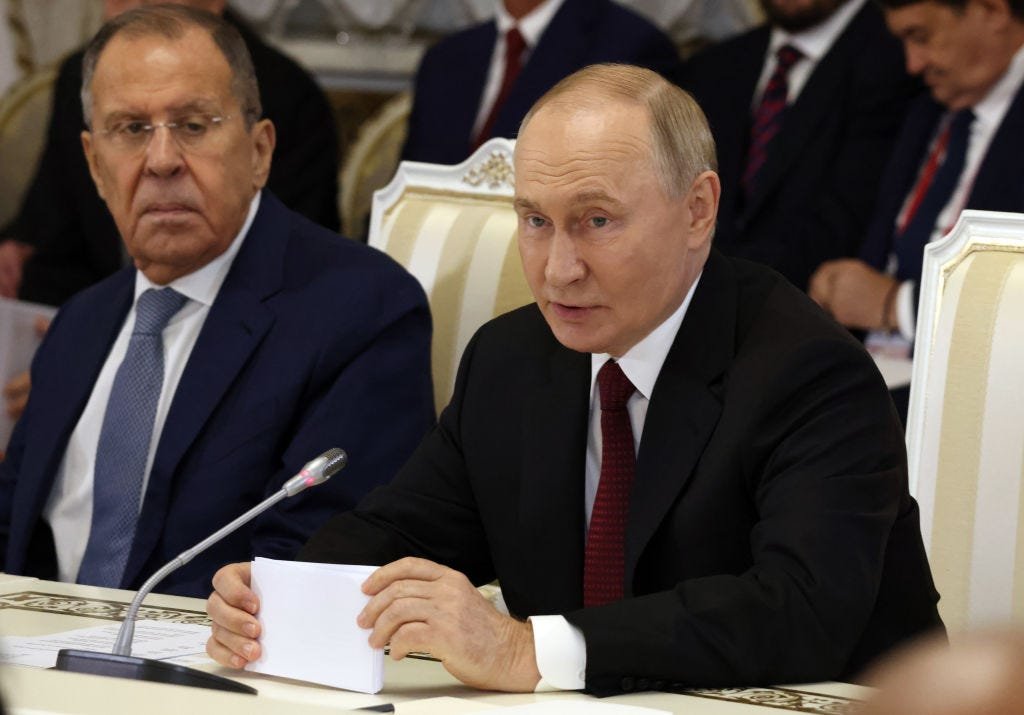
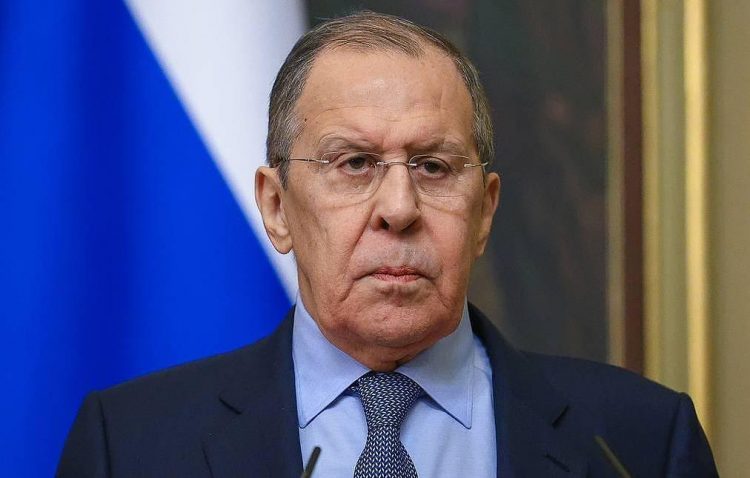
During a visit to Maputo on Thursday, Russian Foreign Minister Sergey Lavrov said Moscow was ready to assist Mozambique in eliminating the “terrorist threat” in the country’s north should the government request such support.
“Russia is prepared to respond to a request from our Mozambican friends regarding the support we can provide in eliminating the terrorist threat,” Lavrov said, according to Russian state media.
While the offer does not immediately change Mozambique’s existing security arrangements, it signals Russia’s ambition to deepen its footprint in a country that could soon become one of the world’s fastest-growing LNG exporters.
The visit also saw Lavrov and President Daniel Chapo discuss trade, economic cooperation, Mozambique’s modernisation plans and preparations for the next Russia-Mozambique Intergovernmental Commission, reflecting Moscow’s broader effort to strengthen political and economic ties across Africa.
Why Cabo Delgado matters
The conflict is centred on Cabo Delgado, a province that has evolved from one of Mozambique’s poorest regions into one of the world’s most closely watched energy frontiers.
The province sits above the Rovuma Basin, one of the largest offshore natural gas discoveries of the past two decades, attracting global energy giants including TotalEnergies, ExxonMobil and Eni.
If fully developed, Mozambique’s gas resources could transform the southeast African nation into a major LNG exporter, supplying Europe and Asia at a time when countries are seeking to diversify energy supplies following years of geopolitical disruptions in global gas markets.
That ambition, however, has been repeatedly threatened by the Islamist insurgency that erupted in Cabo Delgado in 2017.
DON’T MISS THIS: U.S. moves to counter Russia’s growing influence in Sahel region with $2.3 million military package in Niger
According to the Armed Conflict Location & Event Data Project (ACLED), the conflict has claimed more than 6,500 lives and triggered thousands of violent incidents, displacing hundreds of thousands of people while delaying billions of dollars in foreign investment.
Billions of dollars at stake
Security in Cabo Delgado has become inseparable from Mozambique’s economic future.
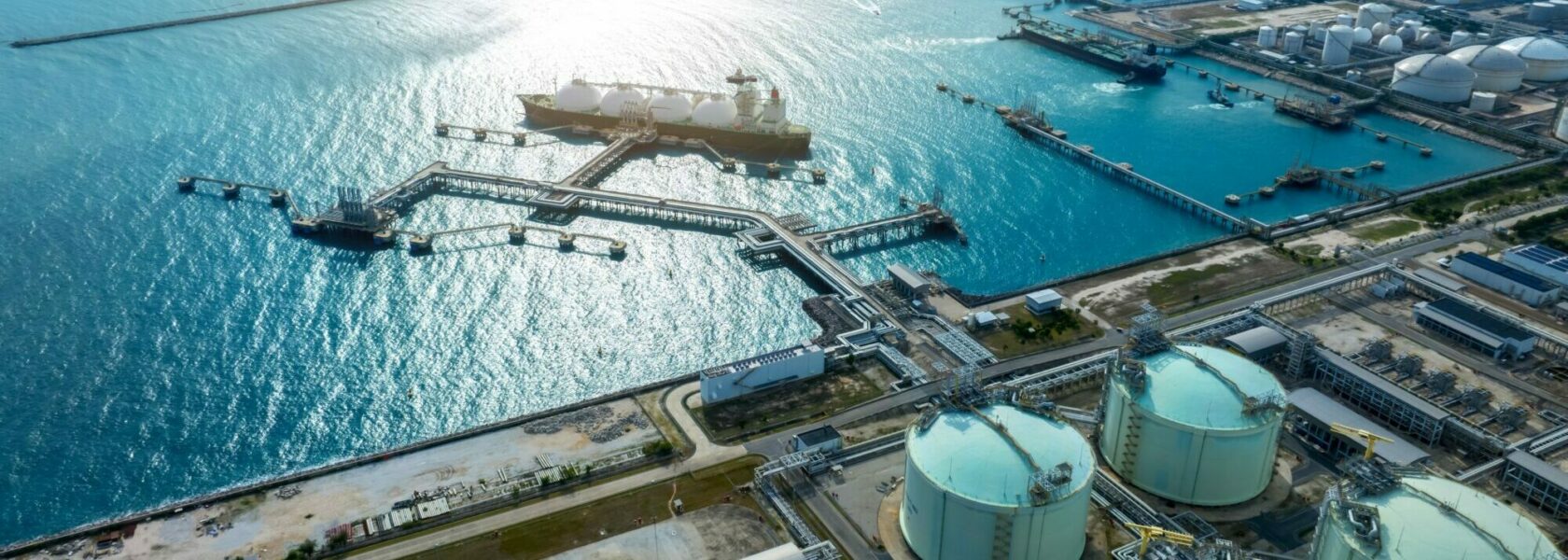
Earlier this year, TotalEnergies officially restarted construction of its $20 billion Mozambique LNG project, nearly five years after suspending work following the 2021 attack on Palma, which forced the company to declare force majeure.
Construction has resumed after improvements in security around the Afungi peninsula, supported largely by Rwandan forces.
DON’T MISS THIS: Burkina faso, Mali, Niger turn to Russia to build the Sahel’s first shared telecom satellite
Attention is now turning to ExxonMobil’s $30 billion Rovuma LNG project, where the company expects to make a final investment decision after lifting force majeure. The development shares key infrastructure with TotalEnergies’ project and is expected to begin LNG production by 2030 if approved.
Italian energy giant Eni is also expanding production through its Coral projects, strengthening Mozambique’s ambition to become a leading LNG supplier.
Together, these developments could propel Mozambique into the ranks of the world’s top LNG exporters over the next decade, dramatically reshaping the country’s economy and strengthening Africa’s role in global energy markets.
Russia expands its Africa security strategy
Lavrov’s offer comes as Russia continues to expand its security partnerships across Africa through the Africa Corps, the Kremlin-backed force that succeeded the Wagner Group in several countries.
Over the past few years, Moscow has increasingly combined military cooperation with mining, energy and diplomatic partnerships across the continent, seeking to deepen its influence as Western powers and China compete for strategic resources and political alliances.
Mozambique already receives significant security support from Rwanda, whose troops have been credited with helping reclaim key towns from insurgents, while Tanzanian forces continue to secure parts of the northern border.
A regional military mission by the Southern African Development Community (SADC) concluded after helping stabilise parts of the province.
Russia’s latest offer therefore adds another geopolitical dimension to an increasingly crowded security landscape surrounding one of Africa’s most valuable energy corridors.
For Mozambique, defeating the insurgency is no longer only a national security priority, it is the key to unlocking tens of billions of dollars in investment that could transform the country into a global LNG powerhouse.
For Russia, securing a role in protecting that future would strengthen its influence in one of Africa’s fastest-growing energy regions while expanding Moscow’s strategic footprint at a time when competition for the continent’s critical resources is intensifying.